
23 Sep 2026 Global Potato Industry General partnerAVGUST
The Global Potato Industry
Netherlands·Company·Europe

Netherlands: Avebe Starch Potatoes Reportedly Sold to German and Belgian Processors as Raw Material Tightens

2 min read
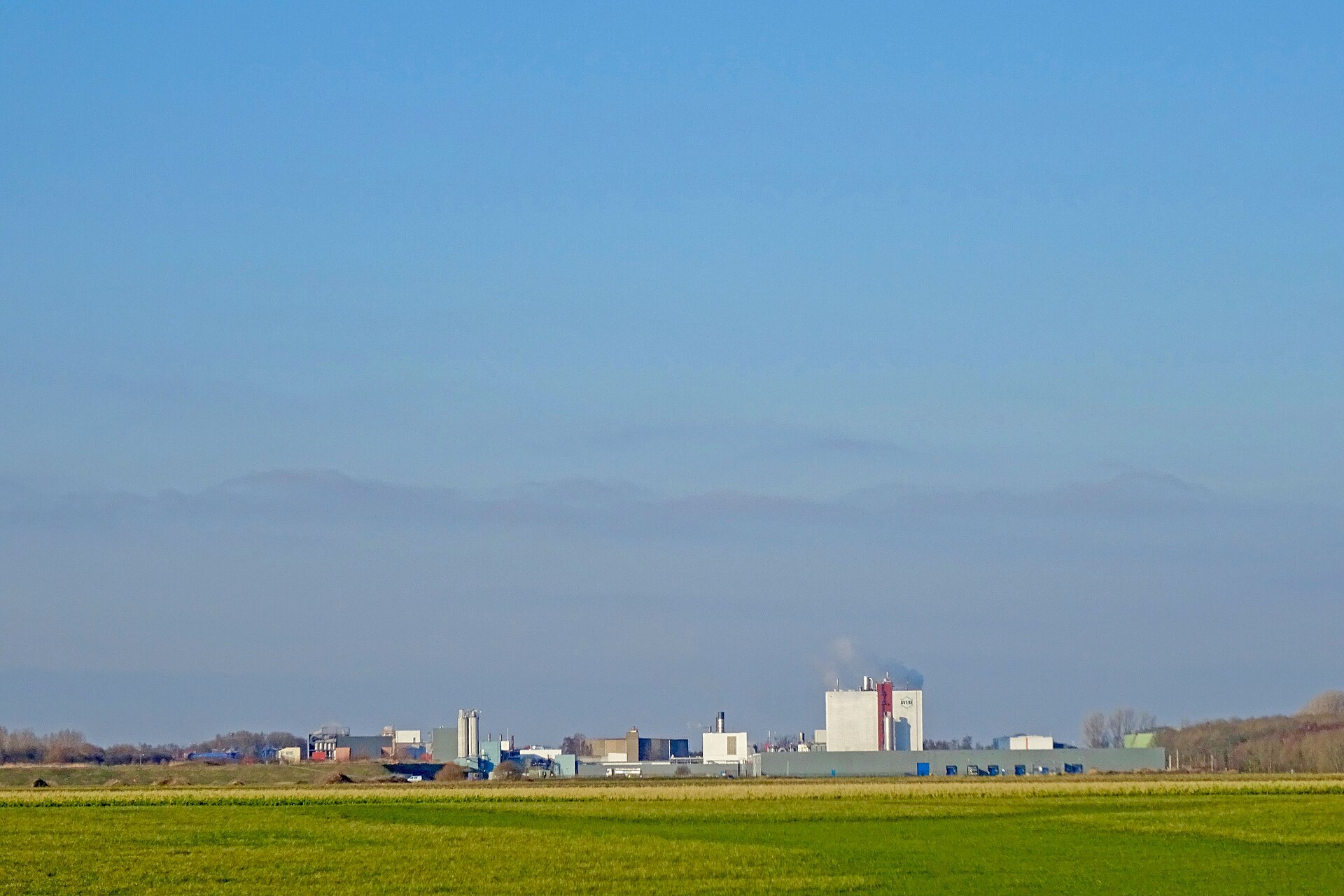
Avebe potato starch factory at Gasselternijveen, the Netherlands
Photo: <a href="https://commons.wikimedia.org/wiki/File:20180207_Aardappelmeelfabriek1_Avebe_Gasselternijveen.jpg">Avebe potato starch factory at Gasselternijveen, the Netherlands</a> (illustrative). Gouwenaar / Wikimedia Commons, <a href="http://creativecommons.org/publicdomain/zero/1.0/deed.en">CC0</a>

Key takeaways

  • 57 euros per tonne is Avebe's 2026 starch-potato base price
  • 50% lower: the base price halved from the last two years
  • 2 countries, Germany and Belgium, reportedly buy the lots
  • 1 euro rise in Reka-Rheinland quotes for Zorba, Innovator

Why it matters

For farmers
Avebe members should expect the final potato price to reflect trading income as well as starch; growers of fries varieties can use strong processor demand in price talks
For processors
Granulate made from starch potatoes can free fries-grade tubers; processors short of raw material may look at similar substitution options
For traders
Starch potatoes are finding a new outlet in fries and granulate plants; expect more cross-border trade between starch and fries chains this season

60-second summary

Dutch starch cooperative Avebe is selling part of its starch potatoes to processors in Germany and Belgium, trade publication Boerenbusiness reports. The foreign plants are said to turn them into potato granulate, freeing smaller fries-type potatoes for fries production. Avebe did not confirm the sales and said trading activities are commercially confidential, so the report rests on one source. According to Boerenbusiness, Avebe's 2026 base price for starch potatoes is 57 euros per tonne, or 5.70 euros per 100 kg, including a higher full-delivery premium, which is half the level of the past two years. Avebe is said to expect more income from selling the potatoes than from processing them, because it holds large starch stocks; trading income goes back to members via the potato price. The same report notes that Reka-Rheinland raised quotations by 0.50 euros for early industrial potatoes and by 1 euro for Zorba and Innovator.

€57/tAvebe 2026 starch-potato base price
€5.70/100 kgsame price per 100 kg
-50%base price vs the past two years
+€1Reka-Rheinland quote rise, Zorba and Innovator
+€0.50Reka-Rheinland quote rise, early industrial potatoes
General partnerCrop protection for the potato industry

Dutch starch cooperative Avebe is selling part of its starch potatoes to processors in Germany and Belgium, according to trade publication Boerenbusiness. The German and Belgian factories are reported to be turning the starch potatoes into potato granulate, which frees up smaller fries-type potatoes for fries production.

Avebe did not confirm the sales. According to Boerenbusiness, the cooperative said it does not provide information on any trading activities because they are commercially confidential. The report therefore rests on a single source.

Price and stocks

Boerenbusiness reports that Avebe’s base price for starch potatoes this year is €57 per tonne, or €5.70 per 100 kg, including an increase in the full-delivery premium. The publication describes this as half the price of the past two years. According to the report, Avebe expects to earn more from selling the potatoes than from processing them into starch, because it is holding large starch stocks. Income from trading goes back to members through the potato price.

Morning industry digest The day’s essentials in one email.

Weekdays. Unsubscribe in one click.

The same report notes that the trading house Reka-Rheinland raised its quotations by €0.50 for early industrial potatoes and by €1 for the varieties Zorba and Innovator.

Context

North-west Europe’s 2026 harvest has been cut by drought, and fries processors in Belgium and the Netherlands are drawing on stored 2025 potatoes and imports to keep lines running. Diverting starch potatoes into granulate is one way to stretch the supply of fries-grade raw material. The move comes as the starch sector itself faces weak prices; Polish starch maker PEPEES has just reported a parent-company operating loss for the first half of 2026, which it links to low potato-starch prices.

Why it matters

If confirmed, the sale of starch potatoes to foreign processors shows how far the fries chain is reaching for raw material this season. It also signals that the potato starch market is oversupplied enough for the largest cooperative to prefer trading over processing. For Avebe members, the outcome will be visible in the final potato price paid after the campaign.

Photo: Avebe potato starch factory at Gasselternijveen, the Netherlands (illustrative). Gouwenaar / Wikimedia Commons, CC0

Global Potato Brief

Top five stories, prices, disease alerts and events. Weekday mornings, no advertising.

Choose topics and language
What to send

What next

Avebe has not confirmed the sales. The effect of any trading income will become visible in the final potato price paid to members after the campaign.

Sources

  1. Boerenbusiness — https://www.boerenbusiness.nl/artikel/10917046/avebe-aardappelen-naar-buitenlandse-verwerkers
  2. ONE SOURCE. Avebe declined to comment on trading activities, calling them commercially confidential.

Linked in this material

Country
Netherlands
Project partners Become a partner →
Audience 41,368 LinkedIn 21,000 YouTube 3,756 Newsletter 2,861 views · last 15 videos Media kit →