Mexico: Rains Delay Potato Planting in Northern Sinaloa as Dams Reach 50.7%
Monsoon rain and Hurricane Polo have slowed field work and planting permits in northern Sinaloa, an important potato area. Dams are fuller than a year ago.
Persistent rain in northern Sinaloa is delaying land preparation for the 2026–2027 autumn-winter season, which includes an important potato area. The rain came with the Mexican Monsoon and Hurricane Polo, Luz Noticias reported on 27 September.
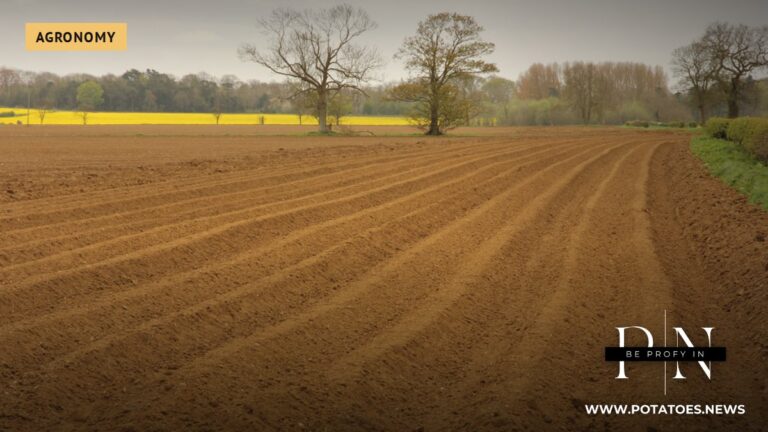
Ernesto Suárez Andujo, president of the Local Plant Health Board of the Valle del Fuerte (Junta Local de Sanidad Vegetal), said the number of growers coming to the board is lower than expected for this stage of the year. Many farmers still cannot work their land. Others have prepared their fields but are waiting for the soil to dry before they plant.
Requests for planting permits for the new season have been slow. So far, the board has mainly issued permits for beans in the Higuera de Zaragoza area, and for rain-fed producers who need the documents to apply for government support. Suárez Andujo expects requests to increase in October, when growers can prepare fields with the right moisture to plant potatoes, beans, early vegetables and maize.
Weekdays. Unsubscribe in one click.
More water for the new season
The same rain has improved water reserves. According to Línea Directa, Sinaloa’s dams held 50.7% of their capacity, or 7,957.4 million cubic metres, on 26 September. That is about 1 billion cubic metres more than on the same date last year. An analysis by Nilo IQ and the Mexican Bean Council, cited by the outlet, said more rain of up to 75 mm was possible from 28 to 30 September. It warned that the rain would help water supply but could also delay the preparation of planting beds.
According to Argenpapa, agricultural authorities believe the first autumn-winter plantings could start around 15 October if the weather allows. The final area will also depend on the volumes of water that the National Water Commission (Conagua) assigns to each irrigation module.
The last season was difficult for potatoes in northern Sinaloa. High temperatures, pests and diseases reduced yields. Argenpapa reports that the season ended with an average yield of only 23 tonnes per hectare on about 16,000 hectares.
Why it matters
Potato is one of the important crops of northern Sinaloa, and the autumn-winter season is when it is planted. A slow start to field work can push back planting dates, and with them the timing of the harvest. Growers who lost yield last season to heat, pests and diseases now also face a shorter window to prepare their land.
At the same time, fuller dams give the region a better water position than a year ago. The main questions for the coming weeks are how fast the fields dry out and how much water Conagua allocates to the irrigation modules that grow potatoes.
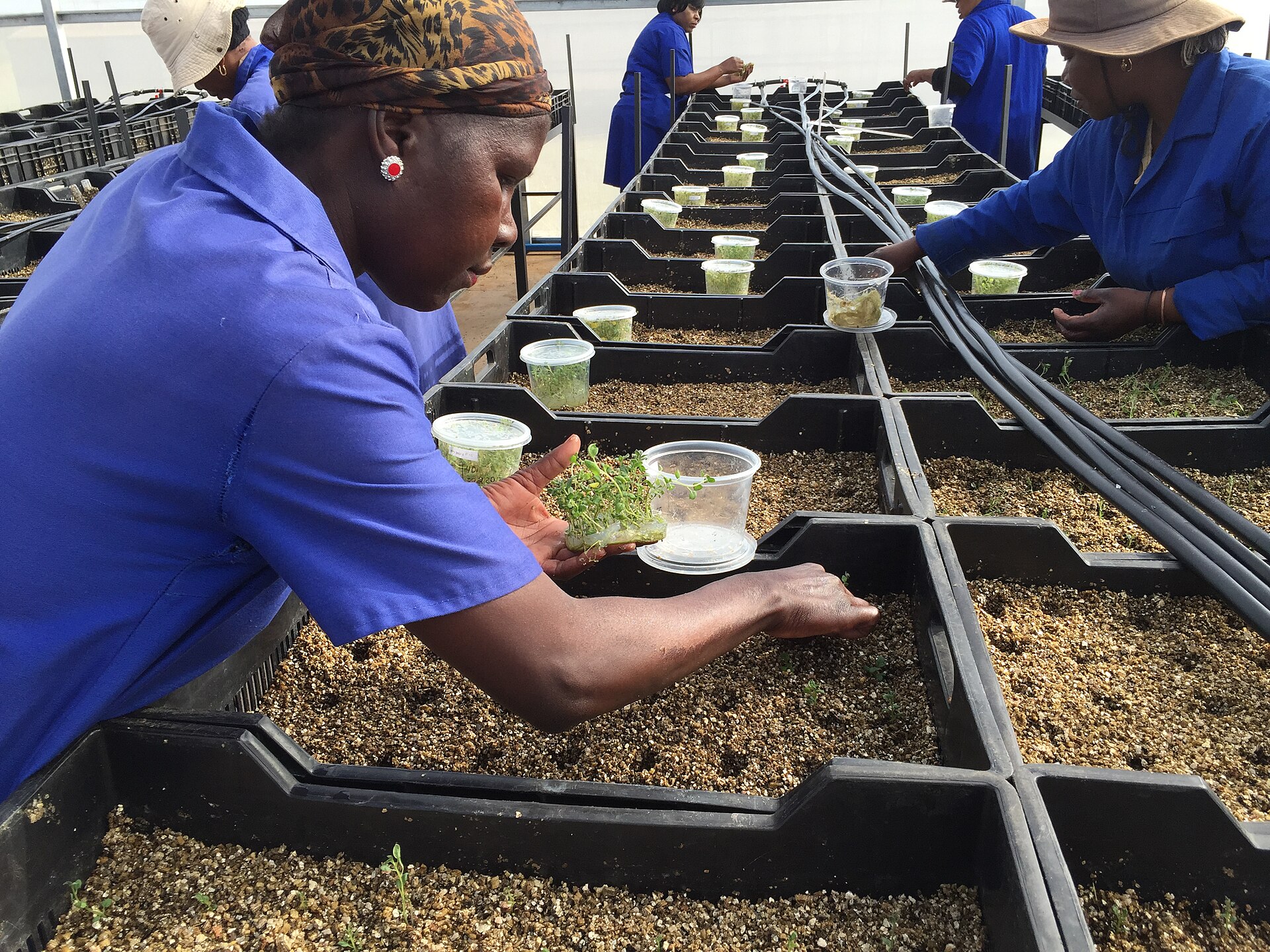
Photo: Planting potatoes by hand (not Mexico) (illustrative). Philippus Jacobus Steyn / Wikimedia Commons, CC BY-SA 4.0