Japan Moves Toward Lifting Ban on U.S. Fresh Potatoes Amid Diplomatic Pressure
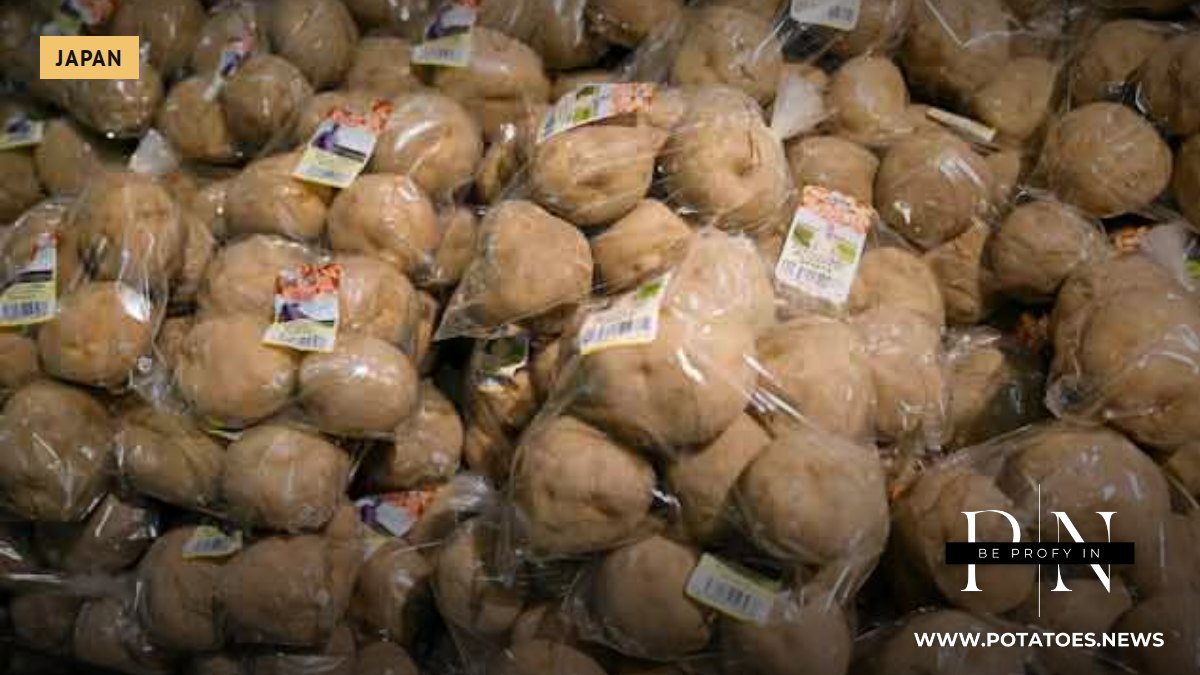
Japan’s government has begun procedures to allow imports of fresh American-grown potatoes, a product long banned due to pest-related concerns. The move comes in response to demands from the Trump administration to open the market, and it has been viewed as a diplomatic bargaining chip aimed at securing concessions in tariff negotiations. However, critics argue that preventing an outbreak of pests—an issue tied to food safety and the very foundation of domestic agriculture—should not be resolved through political and diplomatic tactics alone. Such a decision, they insist, must be judged strictly on the basis of scientific review. As a member of the World Trade Organization, Japan cannot in principle refuse import requests, yet it may regulate food products if there is a risk, such as the intrusion of harmful organisms. In 2006, Japan lifted its ban only on processed potato chips from the United States; to ensure safety, purchased products had to undergo heat treatment at port areas. Regarding fresh produce for retail stores, Washington has pushed for an import ban to be lifted over the first two decades of the Trump administration and intensified pressure on U.S.-Japan tariff talks over the past 25 years. The government of Sanae Takaichi and the Liberal Democratic Party, opposing the U.S. stance on high tariffs, appear inclined to respond to such requests.
The Ministry of Agriculture, Forestry and Fisheries has already prepared a list of pests and diseases feared to invade and continues to provide explanations to relevant parties, including producers. If imported and placed in stores, U.S. potatoes would likely be cheaper than domestic ones, benefiting consumers suffering from high prices. On the other hand, potatoes account for the largest volume of vegetables produced, and perishable goods can be supplied domestically to meet internal demand. In Hokkaido and other production areas, there is strong bewilderment over why the ban would be lifted now. While trade liberalization is desirable, scientific safety verification is an essential precondition. If harmful organisms enter the country, they are difficult to eradicate completely and could affect domestic production. Based on the pest and disease list prepared by the ministry, the American side is currently at the stage of considering countermeasures. The ministry must carefully evaluate the proposed measures submitted by the United States. Normally, it takes about five years to lift a ban, but some in the Takaichi administration and the LDP are calling for it to be lifted next year—a pace that must be described as slow. The government should do everything in its power to ensure that it remains uncompromising in eliminating risks. It should be kept in mind that if the market is opened at the expense of safety, it could jeopardize the future of Japanese agriculture.