India’s Potato Exports Near USD 450 Million as Global Potato Summit 2026 Targets Processing and Trade Growth
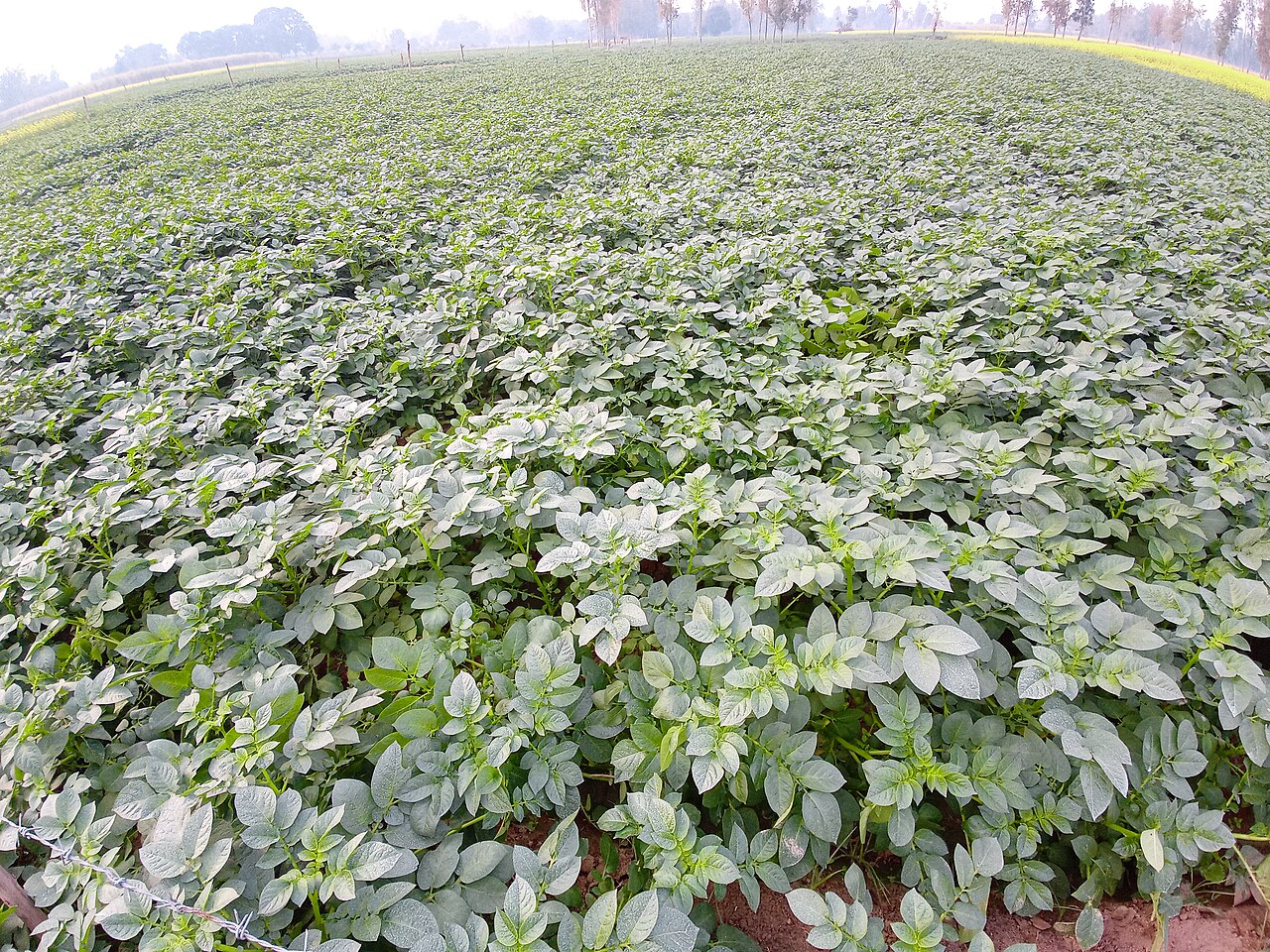
India’s potato exports across six product categories reached approximately USD 449.6 million in calendar year 2025, with frozen and prepared potatoes leading the growth, according to UN Comtrade data cited by the organisers of the Global Potato Summit 2026. The event’s second edition will be held on December 16–17 in Gandhinagar, Gujarat, with a focus on processing, international trade and new export opportunities.
India’s potato industry is entering a new phase of growth, driven by rising production, expanding food-processing capabilities and rapidly increasing exports of both fresh and value-added products. According to production estimates cited by Media Today Group, the organiser of the Global Potato Summit, India’s potato output is projected to reach 59.89 million tonnes in 2025–26, up from 58.57 million tonnes in 2024–25. This expanding production base supports domestic consumption while feeding growing demand for processing-grade raw material used in French fries, chips, flakes, granules and other value-added products.
The export figures illustrate how quickly the structure of the industry is changing. According to UN Comtrade data, exports of frozen and prepared potatoes reached approximately USD 279 million in calendar year 2025, compared with USD 203 million in 2024 — growth of around 37.5 percent in value terms, with volumes in this broad customs category also up substantially. Fresh potatoes generated approximately USD 88.3 million in 2025, while exports of potato flakes, granules and pellets reached USD 67.8 million, underlining the rising importance of dehydrated ingredients in industrial food manufacturing.
Weekdays. Unsubscribe in one click.
Smaller categories add to the diversification picture: preserved potatoes brought in approximately USD 6.9 million, frozen potatoes under a separate customs classification USD 4.6 million, and potato starch USD 3 million. Together, the six categories accounted for approximately USD 449.6 million in exports during 2025 — evidence, the summit organisers argue, that India’s potato trade now extends well beyond fresh produce.
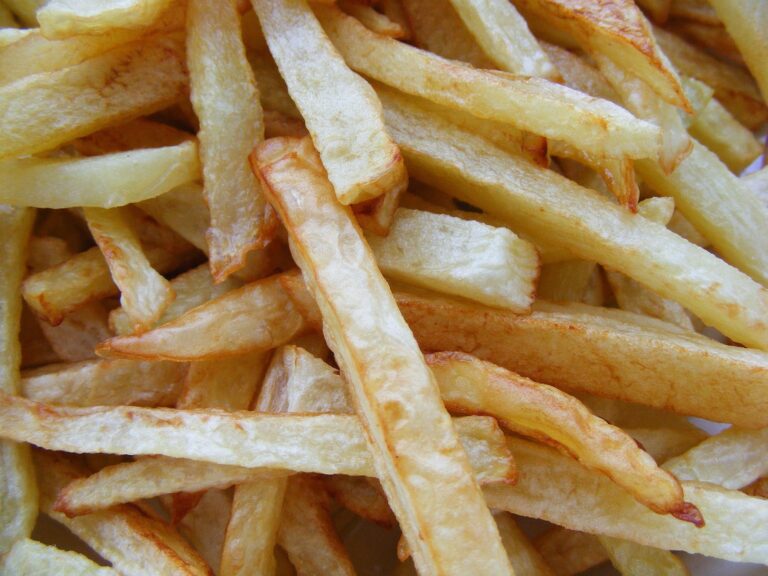
Frozen French fries have emerged as the key driver of this growth, supported by investment in processing capacity, improved raw-material availability and rising demand from international food-service markets. Sustaining the momentum, however, will depend on strengthening the farm-to-factory link: processing-grade varieties, quality seed, scientific storage and reliable procurement are all named by the organisers as critical conditions for consistent quality and competitiveness.
Weather-related supply pressures in Europe may add a further opening. According to the forecast of the North-Western European Potato Growers (NEPG), the 2026 ware potato crop across Belgium, France, Germany and the Netherlands could fall to 20.7 million tonnes, down 25.4 percent from 27.75 million tonnes in 2025. For Indian exporters — particularly in processed products — this represents a potential window, though capturing it will require consistent quality, competitive pricing, reliable logistics and compliance with international standards. Diversification into Asian and Middle Eastern markets is seen as an additional pillar.
Against this backdrop, Media Today Group will hold the second Global Potato Summit on December 16–17, 2026, in Gandhinagar, Gujarat. The event will feature an international conference under the theme “Transforming India’s Potato Value-Chain for Global Competitiveness,” addressing seed development, mechanisation, storage, cold-chain infrastructure, processing, packaging and exports. Earlier announcements put expected attendance at more than 15,000 delegates and trade visitors from over 15 countries, with the Mahatma Mandir Convention & Exhibition Centre as the venue. The inaugural 2025 edition, held at the India Expo Centre & Mart in Greater Noida with support from the Agricultural and Processed Food Products Export Development Authority (APEDA), was credited by organisers with connecting growers, processors, exporters, technology providers and machinery manufacturers on a single platform.
Gujarat’s selection as host is strategic: the state has emerged as India’s leading producer of processing-grade potatoes, with modern dehydration plants in the Mehsana and Banaskantha districts supported by contract farming and cold-storage networks.