Ontario Potato Harvest Nears Completion at 92%, but Soaring Diesel Costs Squeeze Growers’ Margins
Ontario's P&K Vander Zaag Farms is 92% through harvest with strong yields, but the Canadian Federation of Agriculture warns surging diesel, steel and aluminum costs are squeezing growers' margins.
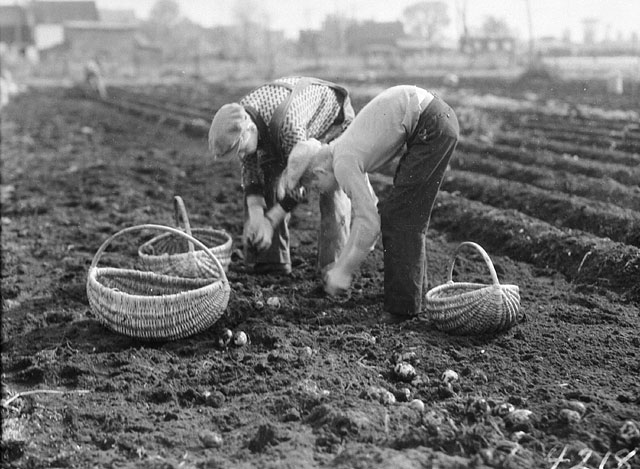
Potato harvesting at P&K Vander Zaag Farms in Alliston, Ontario, is 92 percent complete, with yields recovering strongly after last year’s hot, dry season — yet surging diesel, steel and aluminum costs are eroding growers’ margins, the Canadian Federation of Agriculture warns.
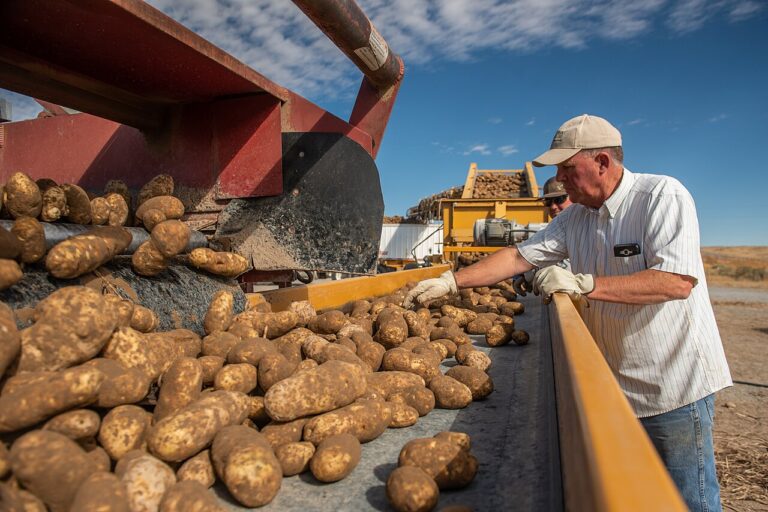
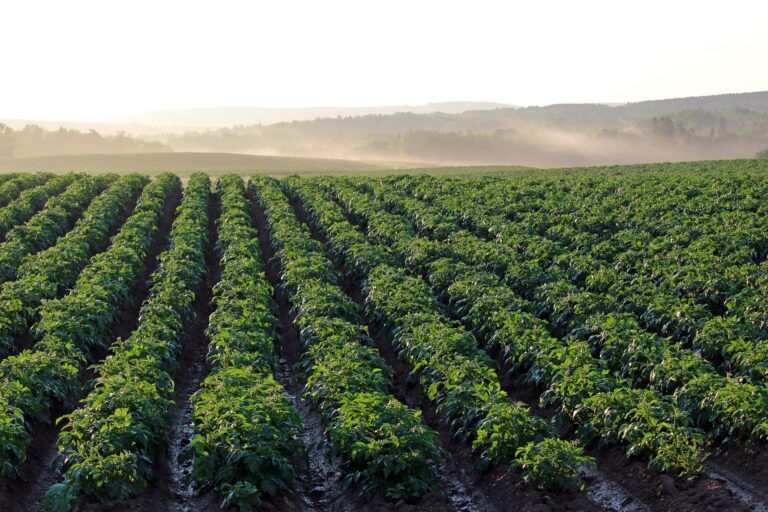
Potato harvesting is in its final stretch across Ontario’s key growing hub of Alliston, where P&K Vander Zaag Farms reports that 92 percent of its crop is already out of the ground. Millions of pounds of potatoes are now sitting in storage ready for distribution — a welcome outcome for operations manager Jessica Vander Zaag after the extreme conditions of the previous season.
This year’s harvest compares favourably with the difficult 2025 campaign, when heat and drought suppressed both crop development and yields. The scale of the Alliston operation is striking: a single holding cell at the farm can accommodate 500 million pounds of potatoes. From storage, the crop moves into the processing channel and onto grocery store shelves across the region — potatoes grown there supply chipping and process-industry brands as well as Frito-Lay.
Weekdays. Unsubscribe in one click.
Yet the strong harvest arrives against a backdrop of sharply rising operating costs, with diesel at the top of the list. The farm is actively cutting fuel consumption, including instructing drivers to switch off trucks instead of idling. The pressure is felt nationwide: “The cost of diesel has skyrocketed for farmers; the cost has got incredibly expensive,” said Keith Currie, president of the Canadian Federation of Agriculture. “We’re in the middle of harvest season right now, and the average combine is using somewhere in the neighborhood of 60 to 70 litres an hour.”
Fuel is not the only burden. Higher prices for steel and aluminum — key inputs for machinery, storage and infrastructure — are adding further pressure on farm margins. Currie stressed that growers have almost no room to pass these costs down the chain: “We can’t pass our costs on to the consumer. So we have to find ways within our margins to absorb those costs.”
The Ontario picture mirrors a broader national story: Canadian growers are completing one of the larger harvests in recent years while input inflation — fuel, metals, fertilizer and financing — steadily compresses per-tonne returns, particularly for processing potatoes sold under fixed contracts.
Source: CTV News, October 2026.