India: Potash Price in Punjab Rises to ₹2,200 per 50-kg Bag Before Potato Planting
A 50-kg bag of potash costs ₹2,200 in Punjab, up from ₹1,800 a year ago, a farm union leader says. NPK 12:32:16 rose by ₹1,100 per quintal a month earlier.
Potash fertiliser has become more expensive in Punjab just before potato planting, according to a farm union leader quoted by two Punjabi-language newspapers. Sarup Singh Rama, state general secretary of the Bharatiya Kisan Union (Lakhowal) in Bathinda district, said a 50-kg bag of potash cost ₹1,800 in September 2025. It now costs ₹2,200. This is a rise of ₹800 per quintal. Punjabi Tribune reported his comments on 24 September 2026, and Punjabi Jagran on 29 September.
Rama said that the price of NPK 12:32:16 fertiliser had already risen by ₹1,100 per quintal about a month earlier. In August, Punjabi Tribune reported that companies raised the NPK 12:32:16 price from ₹1,700 per bag in October 2025 to ₹2,250 per bag. The union asked the central government to increase fertiliser subsidies to give relief to farmers.
Potato growers in Punjab plant the crop after the paddy harvest, so they buy fertiliser now. According to Punjabi Tribune, potato growing is expanding into the Malwa region, beyond the traditional areas of Jalandhar, Hoshiarpur and Kapurthala. Farmers also said that the costs of diesel, machinery and labour have increased.
Weekdays. Unsubscribe in one click.
In the August report, Dr K.S. Sekhon of Punjab Agricultural University suggested cheaper alternatives to complex fertilisers. He named urea for nitrogen and single superphosphate or DAP for phosphorus.
Why it matters
Potatoes need a lot of potassium, so potash is a major input cost for Punjab growers. By our calculation, the potash price per bag rose by about 22% in one year. At the same time, many potato farmers in Punjab report selling below the cost of production in the current season. Higher input prices before planting may push some growers to cut potash doses or reduce their area.
The figures come from a farm union leader, and the newspapers did not publish a response from fertiliser companies or the government. Growers should check local dealer prices before they plan their fertiliser programme for the new crop.
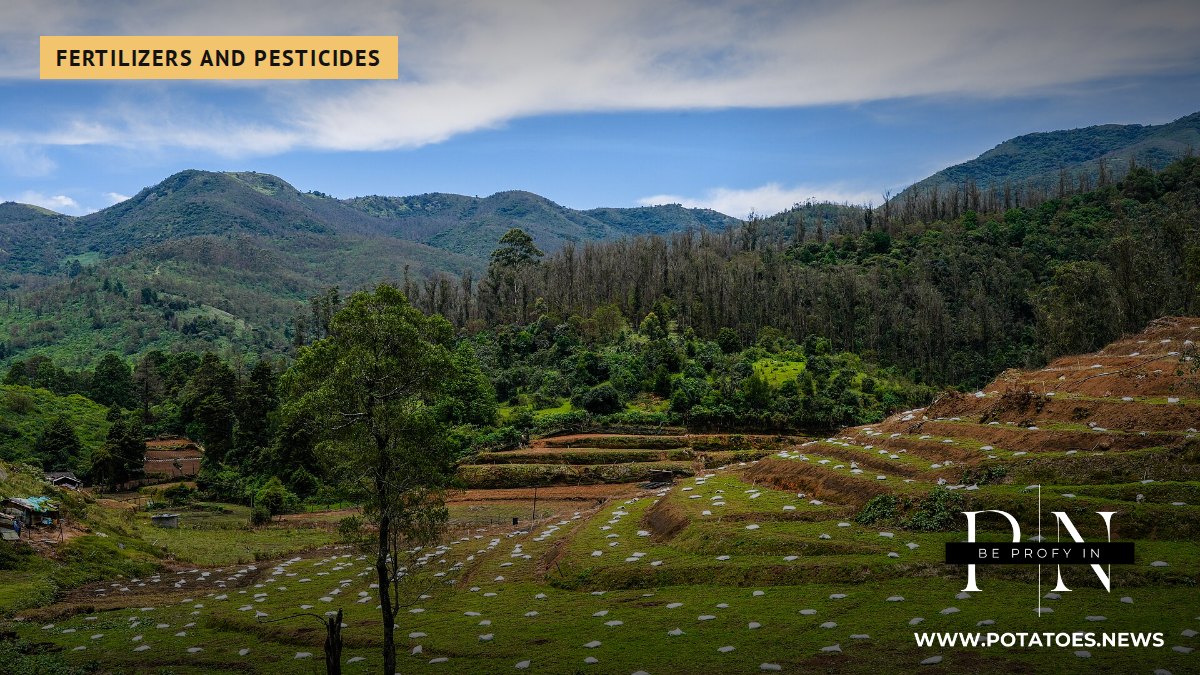
Photo: Bags of fertiliser in newly planted fields in the Nilgiris, India (illustrative). Timothy A. Gonsalves / Wikimedia Commons, CC BY-SA 4.0