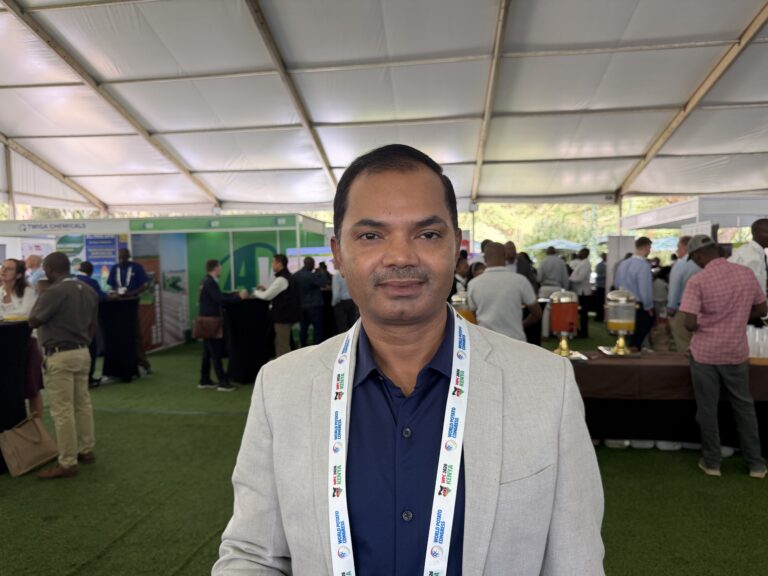
From Four Bags on a Truck to Four Tonnes a Day: Kenya’s Fry Industry Gears Up for the World Potato Congress

With the World Potato Congress 2026 set to take place in Kenya, the global potato industry is turning its attention to East Africa's most dynamic potato market. Beyond production, a quieter shift is under way on the processing side: more Kenyan potatoes are being peeled, cut and supplied as fries to hotels, restaurants and institutions. PotatoPro spoke with Wanjiru Mambo, founder and CEO of Wedgehut Foods Limited, a Nairobi-based processor sourcing directly from smallholder farmers, about how the country's fry industry has developed and where it still needs to grow.
Wedgehut's own trajectory mirrors the sector's. The company was born during the Covid-19 pandemic, after Mambo's restaurant closed and she began selling four bags of potatoes from the back of her truck. Seeing how perishable the crop was and how hard farmers struggled to find reliable markets, she founded Wedgehut Foods in 2021. Today the company peels, cuts and supplies smallholder-grown potatoes to hotels, schools, restaurants and hospitals. "We started off processing 300 kilos a day. Now we are processing more than four tons in a day," Mambo says.
Demand drivers are structural. Potato is becoming Kenya's second staple food after maize, Mambo notes, propelled by the expansion of the hospitality sector — including the arrival of multinational hotels and restaurants — rapid urbanisation, and commercial kitchens that are short on space and increasingly prefer ready-to-cook fries over peeling potatoes in-house. The market is maturing too: buyers better understand that "a potato is not just a potato," and policies are being introduced to formalise a trade long dominated by brokers and middlemen.
Weekdays. Unsubscribe in one click.
Yet the processing share remains strikingly small — and that, Mambo argues, is the opportunity. "It's a 400 million dollar economy of potatoes produced, yet only 6 to 8% goes into value addition. We are still experiencing 40% post-harvest losses of all the potatoes produced." Domestic supply is catching up with demand only gradually. Kenya historically relied on imported frozen fries, but tighter import restrictions and a major potato shortage around 2023 pushed the industry toward local sourcing; two Kenyan companies have since set up frozen-fry production and now serve some multinational customers.
The remaining gap is about quality and consistency rather than volume. "There's still a gap of the right potato for processing," Mambo says: processors need the right varieties and sizes, fully mature tubers and good crop management starting with soil health — plus supply every day of the year. "Whether at the farm level you have potatoes or not, my clients expect me to supply the potatoes for their kitchens." Irrigation, she argues, is key to year-round supply. On varieties, Shangi is still Kenya's most common, but processing types — Challenger, Markies, Unica — are gaining ground, with Malaika and Glen, launched last year, also performing well.
For an industry preparing to host the world's potato community, Kenya's message is unusual: the bottleneck is not demand, it is the organised, quality-assured supply chain — and companies like Wedgehut are building it one farmer contract at a time.
Source: PotatoPro / Wedgehut Foods Limited (интервью с Ванжиру Мамбо), 09.10.2026