Finland: Drought Leaves Åland With Smaller Crisp Potatoes, and Some Lots Show Rot
Growers on the Åland Islands report lower yields and unusually small potatoes after a dry summer. The local crisps factory, which needs about 30,000 tonnes a year, has found stem rot and tuber rot in some lots.
A dry summer has cut potato yields on the Åland Islands, an autonomous region of Finland. The potatoes are also unusually small. The regional broadcaster Ålands Radio reported this on 23 September.
The chairman of the local potato growers’ association, Jonas Lundberg, grows potatoes under contract for a crisps factory on the islands. According to him, the drought led to lower yields than normal. He said growers need to invest in irrigation to get stable harvests, even though irrigation is expensive.
The cultivation manager of the crisps maker, Ulf Sandelin, said the harvest looks somewhat weaker than last year. According to him, quality is fairly good overall. However, the company has seen some stem rot. It has also found tuber rot in some lots. The report used the Swedish word “brunröta” for this rot. In potato growing, this word usually means the tuber rot caused by late blight. The report did not name the organism.
Weekdays. Unsubscribe in one click.
The factory belongs to the Nordic food group Orkla. It needs just over 30,000 tonnes of potatoes a year. In a good year, contracted growers on the islands supply about 70% of that volume. The rest comes from Sweden and Denmark. With a smaller local crop, the share bought from outside may rise this season.
The report did not give figures for the total harvest or for the average yield on the islands. It also did not say how many lots were affected by rot.
Why it matters
Åland is a small but specialised potato region, built around one crisps factory. The case shows how a dry season affects a closed supply chain. Local growers lose volume and income, and the processor must buy more from neighbouring countries. The growers’ chairman sees irrigation as the answer, but it requires investment. Rot found at harvest also needs attention before potatoes go into storage.
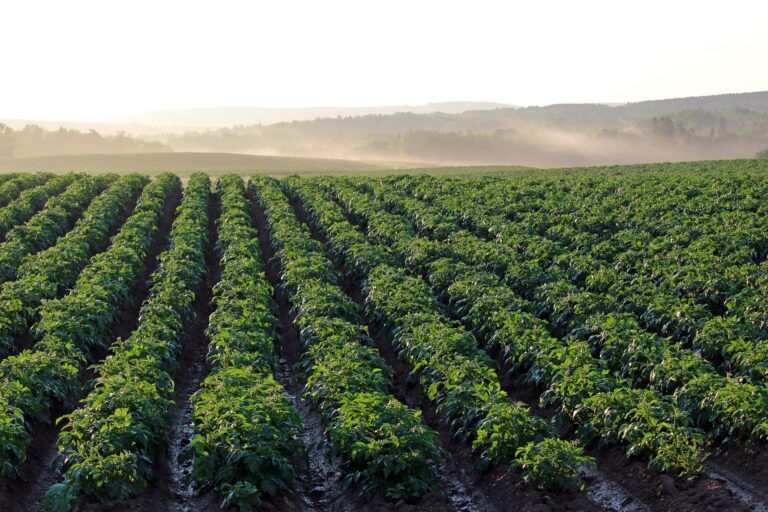
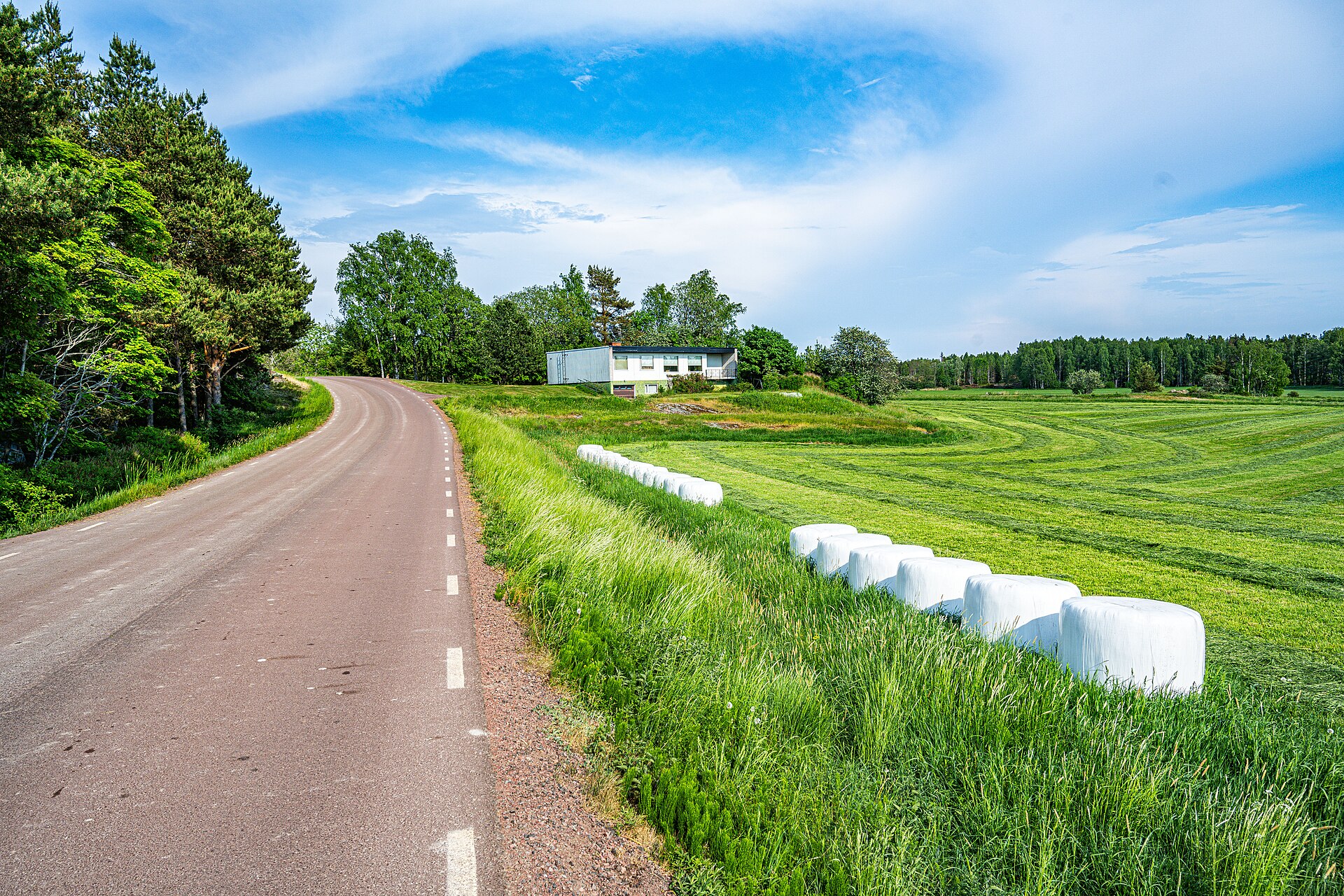
Photo: Farmland near the village of Mångstekta in Sund, Åland, Finland (illustrative). Håkan Skogsjö / Wikimedia Commons, CC BY-SA 4.0