
Extreme Weather Devastates Potato Harvests Across Russia and Kazakhstan, Driving Prices Up
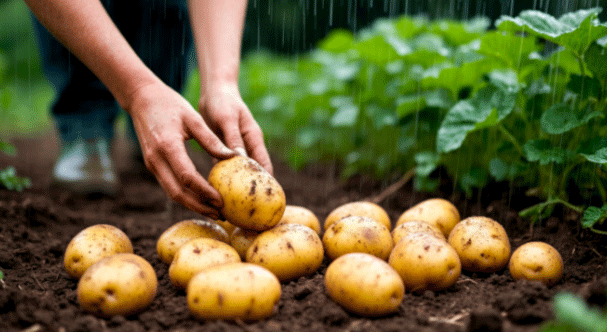
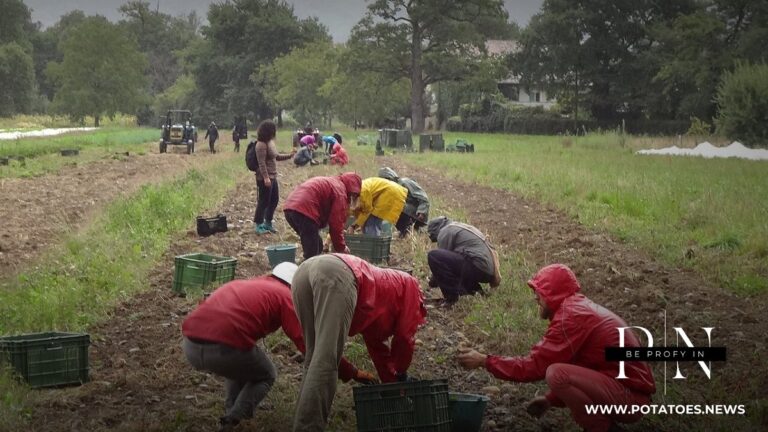
Potato farmers across several regions of Russia and Kazakhstan are facing severe crop losses due to contrasting extreme weather conditions this season. In Russia’s Amur Region, prolonged heavy rains have waterlogged the soil, causing tubers to rot directly in the ground while agricultural machinery becomes stuck in mud. Yields there are estimated at around 15–20 tonnes per hectare, but a significant portion of the crop spoils before it can even be harvested, prompting farmers to forecast price increases to 23–25 rubles per kilogram. Meanwhile, the Novosibirsk Region suffers from the opposite problem: abnormal heat and drought have slashed yields of mid- and late-season potato varieties to one-third of last year’s levels, with farmers describing the soil as “dry as ash.” Prices there could climb to 80 rubles per kilogram by late autumn. In the Chelyabinsk Region, a rainy summer triggered an outbreak of late blight, reducing yields to 231.3 centners per hectare—88% of last year’s figure—though additional treatments have kept the situation under control.
In Kazakhstan’s Pavlodar and Karaganda regions, farmers have endured 80 days of intense heat, resulting in small tubers, though growers note the crop should store better. Yields are estimated at 26.4 tonnes per hectare. Farmers there complain about low wholesale prices of 100–110 tenge against retail markups reaching 300 tenge, squeezing their margins despite the challenging growing conditions. Across all affected regions, the common thread is clear: climate extremes—whether too much rain or too little—are threatening food security and farm incomes, with consumers likely to feel the impact through higher prices at the market.