Closing Nigeria’s Potato Seed Gap: Why Quality Alone Is Not Enough
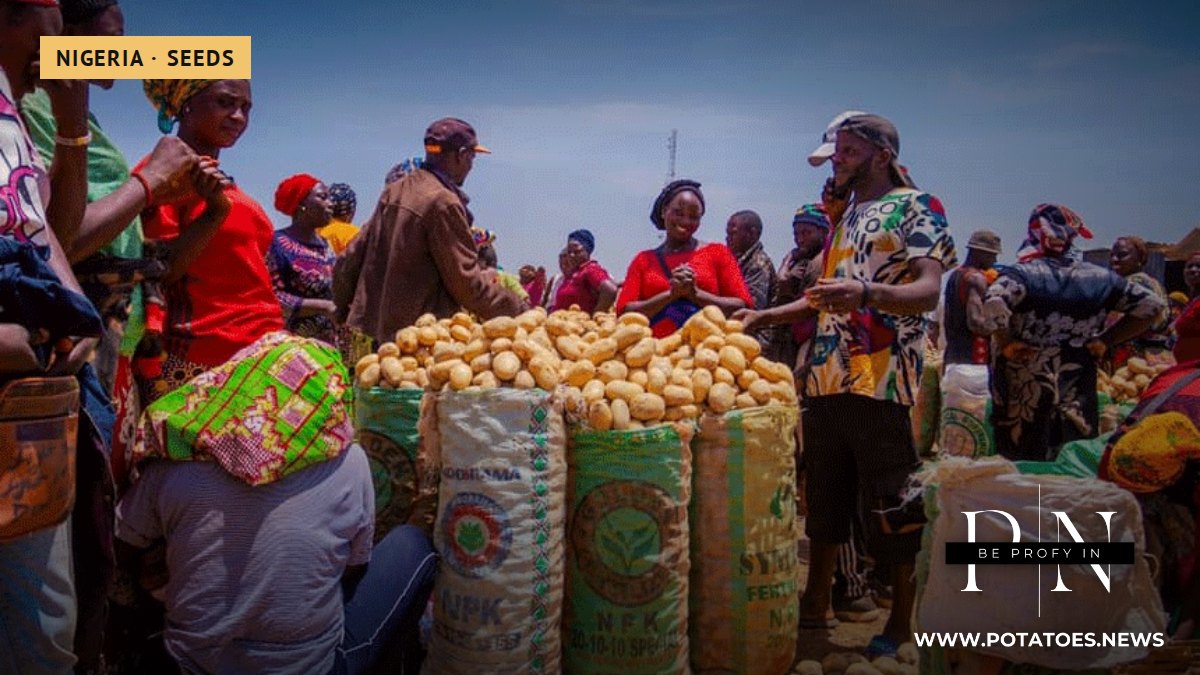
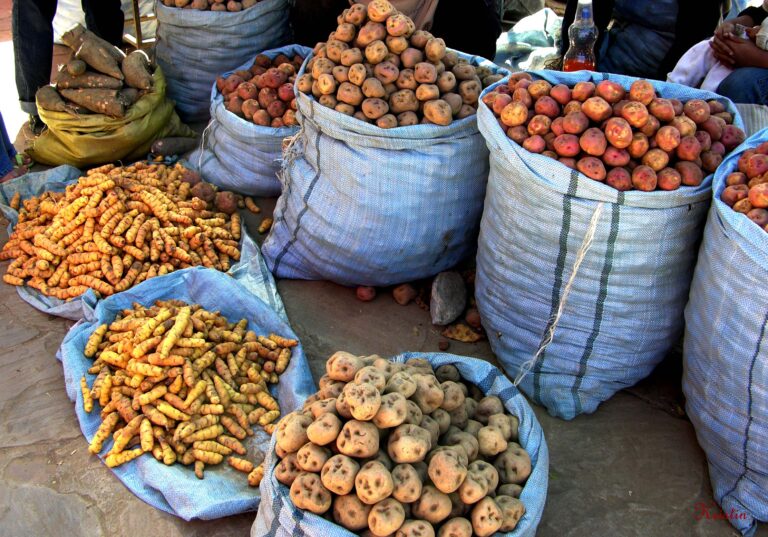
Behind every bag of potatoes sold in a Nigerian market lies a question the sector has too rarely asked: where did the seed come from? For most farmers on the Jos Plateau, the answer is the open market, a neighbour’s field, or last season’s leftover tubers — but rarely a certified, disease-free source. Closing that gap requires more than quality seed; it requires a regulatory system built to deliver it. That was the starting point when regulators, researchers and private sector actors from Nigeria’s potato industry convened in Jos, Plateau State, this past June to examine what it would take to make the sector’s regulatory framework work for the businesses who depend on it. The workshop was convened by the National Agricultural Seeds Council (NASC) and the National Root Crops Research Institute (NRCRI), together with Dutch counterpart Naktuinbouw and partners SEPIA Foundation and Sahel Consulting.
The outcomes of that engagement are now available, setting out the review’s findings on potato variety registration, seed import and export, and quality certification, as well as the concrete commitments made by stakeholders to move the sector forward. The initiative reflects a growing recognition that Nigeria’s potato sector cannot modernise on the strength of improved varieties alone: without functioning rules for registering varieties, moving seed across borders and certifying its quality, even the best seed will struggle to reach the farmers who need it. By bringing together national regulators, research institutions and international partners, the Jos workshop sought to translate those regulatory ambitions into practical, actionable commitments — a step that could reshape how seed reaches the Jos Plateau and, ultimately, what ends up in every bag of potatoes sold in Nigerian markets.