Climate: Potato Cultivation Will Shift to Higher Latitudes Due to Global Warming
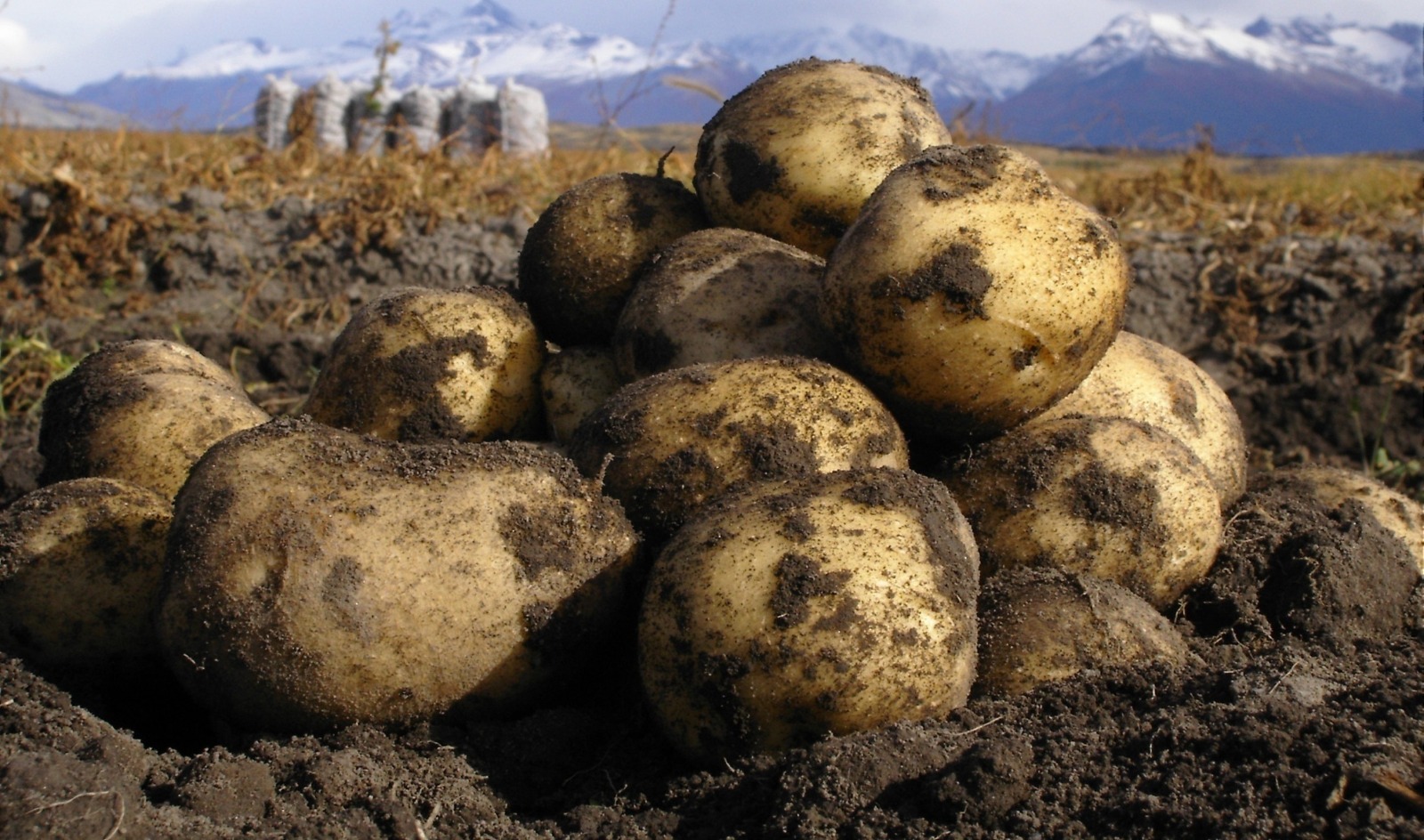
Global climate change and steady rises in average temperatures are forcing global agronomy to reconsider traditional agricultural geography. According to recent scientific studies and climate forecasts, the potato industry is heading toward a massive geographic realignment: the primary zones for potato cultivation will gradually shift toward higher latitudes and higher-altitude regions.
The potato is a temperate crop that is highly sensitive to heat stress. The optimal temperature range for proper tuber formation and bulking is 15–20°C. Exceeding these thresholds during tuberization leads to sharp drops in yield, reduced quality, and halted vegetative processes.
Key Consequences of the Climate Shift
Weekdays. Unsubscribe in one click.
- Northward Migration of Acreage: Traditional potato-growing regions in mid- and southern latitudes will face more frequent heatwaves and extended droughts. This will heighten economic risks for growers, pushing acreage toward northern areas with milder climates.
- Expansion into High-Altitude Zones: In equatorial and tropical regions (including the Andean countries), potato cultivation will need to move higher up mountain slopes where cooler temperatures remain intact.
- Shifts in Phytosanitary Pressures: Warmer conditions are expanding the ranges of damaging pests (notably the Colorado potato beetle and potato tuber moth) and pathogens, allowing them to establish in areas where harsh winters previously kept them in check.
Sector Adaptation Strategies
Researchers and plant breeders emphasize that adapting to these new climate realities requires comprehensive solutions:
- Genetic Breeding: Accelerating the development of heat- and drought-tolerant potato varieties capable of yielding under irregular precipitation and elevated temperatures.
- Irrigation Modernization: Implementing high-efficiency drip irrigation and precision agriculture tools to optimize water usage.
- Adjusting Agrotechnical Schedules: Shifting planting and harvesting windows earlier or later to avoid peak heat stress during critical crop growth phases.
While global warming presents significant hurdles for the sector, timely technological upgrades and geographic shifts in planted acreage will be vital to sustaining global potato production and protecting food security.