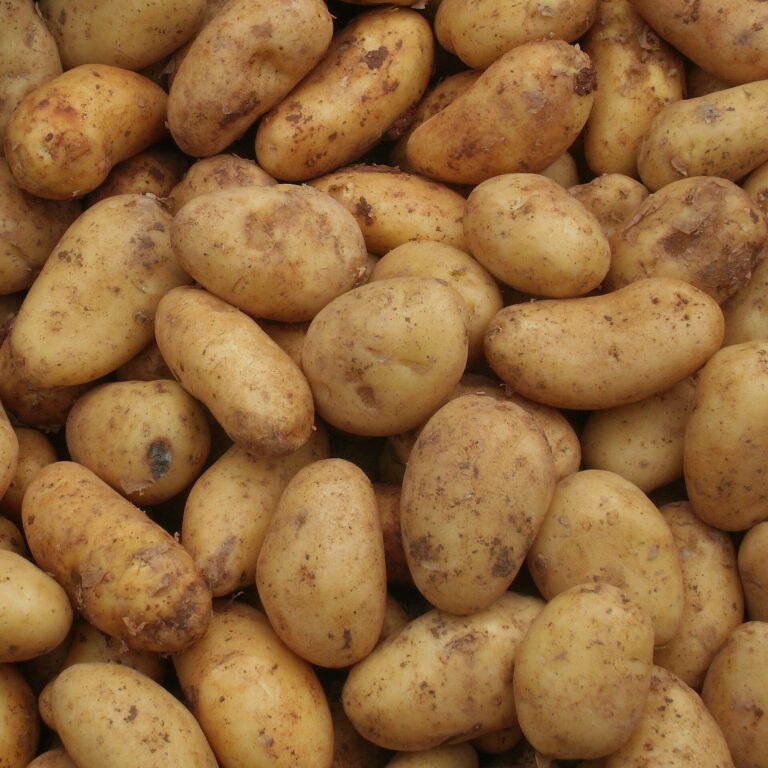
Chile: Potato Seed Exports Complicated by Border Crossing Closures
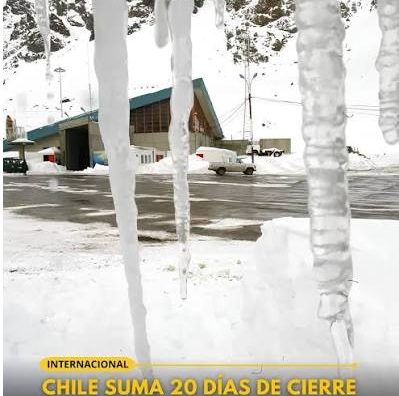
The export campaign for potato seed from Chile has encountered serious logistical challenges due to the temporary closure of key international border crossings. The unfolding situation poses critical risks to the fulfillment of foreign trade contracts and the timely delivery of certified planting material to overseas partners.
Chile’s southern regions maintain a high phytosanitary status and are recognized as areas free from many dangerous quarantine pests and potato diseases, making Chilean seed potatoes highly sought-after across Latin American markets. However, disruptions in overland logistics are jeopardizing deliveries at the peak of planting schedules in importing nations.
Key Challenges and Risks for the Industry
- Disruption of Agrotechnical Schedules: Potato seed is a time-sensitive, perishable product. Cargo delays at border crossings threaten planting schedules for buyers, particularly in key destinations such as Brazil and other regional markets.
- Risks to Seed Quality: Prolonged truck idling under cold temperatures or inadequate ventilation can lead to physiological deterioration of the tubers, reduced germination capacity, and compromised commercial quality.
- Surging Logistical Costs: Route delays and the forced rerouting of freight through longer alternative corridors result in sharp increases in freight rates and added operational expenses for exporters.
Industry associations and Chilean seed producers are urging relevant agricultural ministries and customs authorities to accelerate bilateral coordination to establish a “green corridor” and ensure priority clearance for perishable agricultural shipments.