Chile: New Regulations on Standard Potato Seed Implemented for Growers in Arauco Province
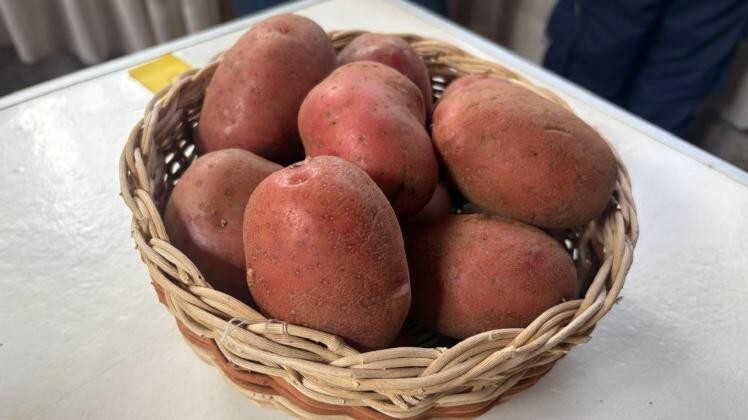
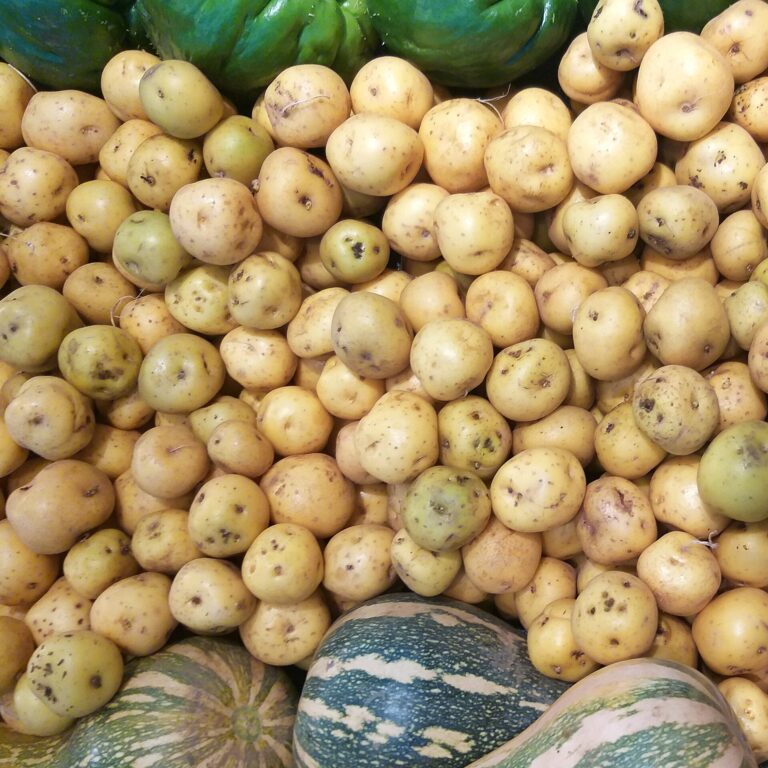
Updated phytosanitary and regulatory requirements governing the use and commercialization of standard potato seed (semilla corriente) have come into effect across Arauco Province (Biobío Region, Chile). The initiative is designed to protect the region’s high phytosanitary status, prevent the spread of regulated quarantine pests and pathogens, and raise overall crop quality standards.
Southern Chile holds protected phytosanitary area status for potato production, requiring regional growers to strictly comply with seed origin and verification protocols.
Key Provisions of the New Regulations
Weekdays. Unsubscribe in one click.
- Mandatory Registration and Traceability: Seed producers and distributors must register their production plots and seed lots with Chile’s Agricultural and Livestock Service (SAG), ensuring full transparency across the supply chain from field to final buyer.
- Strengthened Phytosanitary Oversight: The updated framework intensifies inspections for high-risk quarantine pathogens—including potato cyst nematodes, bacterial wilt, and potato wart disease—preventing infected material from entering clean production fields.
- Technical Support for Smallholders: National and regional agricultural bodies are deploying outreach campaigns and training workshops for Arauco farmers, helping them adapt smoothly to the regulatory requirements without facing administrative roadblocks.
Significance for the Potato Sector
Enforcing these updated seed standards protects local fields from biological threats while driving significant gains in average farm productivity through access to healthier, higher-grade planting material.
Industry stakeholders emphasize that disciplined compliance with seed trade regulations remains a critical pillar for securing regional food security and elevating the competitive position of Chilean potatoes across domestic and international markets.