Chile: Magallanes Delivers Over 100 Tonnes of Certified Seed Potatoes to Local Growers
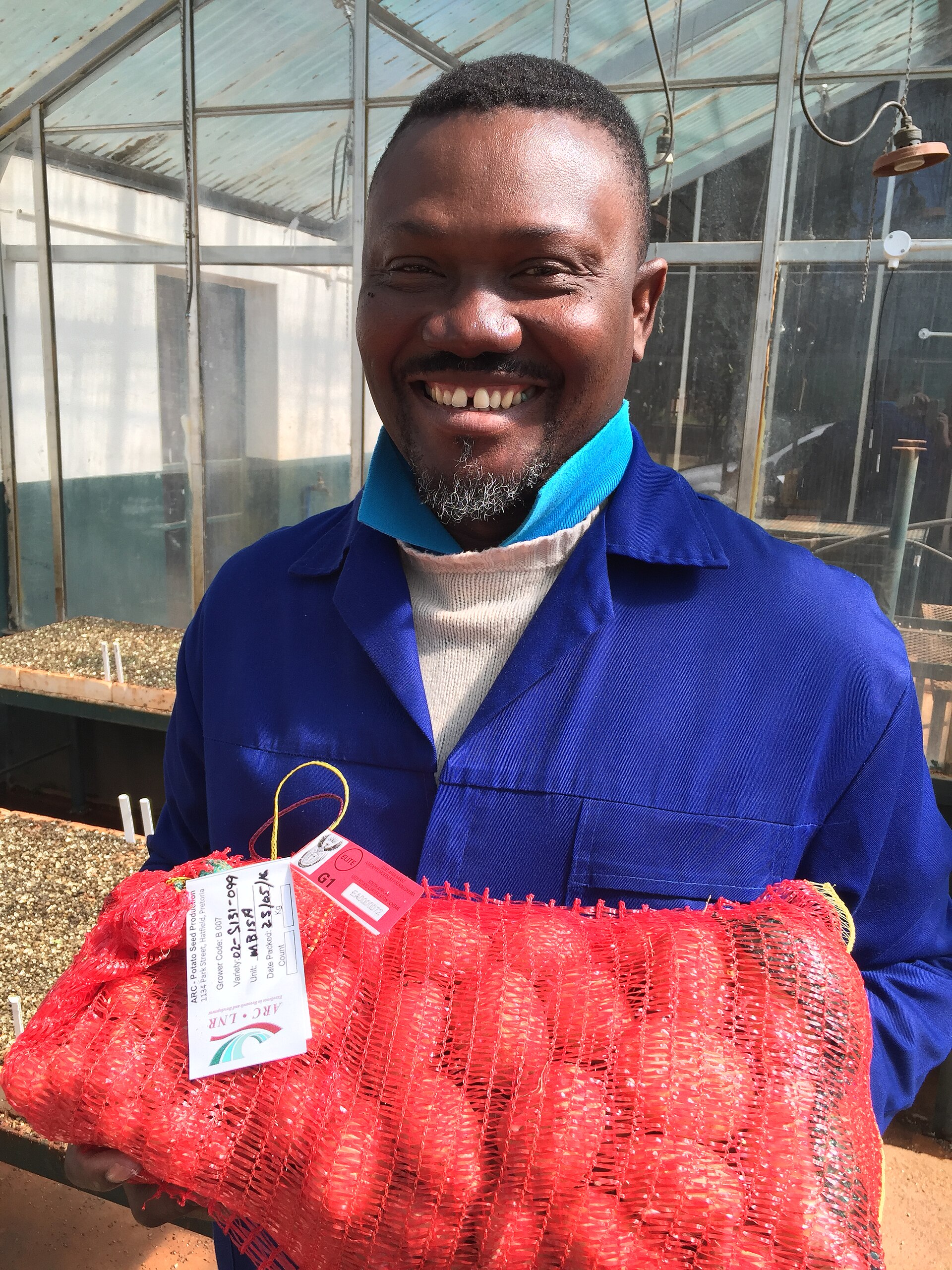
At the far southern tip of Chile, potato self-sufficiency is being built one certified tuber at a time. More than 100 tonnes of certified seed potatoes have been produced in the Magallanes region — a volume described as historic for local production — and the seed is now being delivered free of charge to regional growers, Argenpapa reports, citing Radio Polar.
The distribution in Punta Arenas alone will reach more than 200 farmers, and the program has already benefited producers in Tierra del Fuego, Última Esperanza and Cabo de Hornos — the full sweep of Chile’s sub-Antarctic agriculture. The initiative is executed by the national agricultural research institute INIA through its INIA Kampenaike station, with financing from the Regional Government and participation of the Agricultural and Livestock Service (SAG) and the smallholder development agency INDAP.
The program promotes the incorporation of two varieties, Yaike and Porvenir, selected for their productive advantages, quality and greater efficiency in water use. For a region characterized by demanding climatic conditions, the availability of certified seed is expected to reduce sanitary risks and improve crop establishment — the two chronic failure points of farm-saved seed in harsh environments.
Weekdays. Unsubscribe in one click.
The work goes beyond seed delivery. The initiative includes trials aimed at improving disease control, evaluating how different varieties behave under different irrigation levels, and optimizing early potato production. These trials are intended to generate recommendations adapted to the agroclimatic conditions of Magallanes and to improve the efficiency of regional production systems — an acknowledgement that in extreme latitudes, generic agronomic advice travels poorly.
Value addition is the second track. In Punta Arenas, a minimal-processing room has been incorporated, where protocols were developed to produce potato chips and a vegetable-based beverage. The objective is to use tubers that do not meet the usual commercial calibers or requirements, adding value to production and reducing food losses — turning the grading-line rejects into a revenue stream rather than a write-off.
Taken together, the three tracks — certified seed, adaptive trials and minimal processing — form an unusually complete chain for a small regional program: better planting material at the front end, locally calibrated agronomy in the middle, and a destination for off-grade output at the back. Each element addresses a point where smallholders in isolated regions typically lose margin.
The program’s stated target is to extend the supply of high-quality seed to 436 farmers belonging to family farming and small independent operations. With these actions, the program expects to reduce production costs, strengthen regional activity and improve the availability of Magellanic potatoes for the population’s supply during 2027. For a remote region where freight economics make every imported sack expensive, locally multiplied certified seed is not just an agronomic upgrade — it is logistics policy by other means.
Source: Argenpapa