Brazil: Wholesale Potato Prices Fall 11.6% in August Across All Monitored Ceasas, Conab Says
Brazil's national supply company Conab says the weighted average wholesale price dropped to R$2.63 per kg in August as supply grew, ending a run of increases that began in February.

Wholesale potato prices in Brazil fell in every supply centre (Ceasa) monitored by the national supply company Conab in August, according to its ninth Hortigranjeiro bulletin of 2026, released on 22 September.
On a weighted-average basis, potato prices on the wholesale markets ended the month 11.6% lower, at an average of R$2.63 per kilogram, Conab said. The steepest declines were recorded in Rio Branco, Acre (−46.35%), São José, Santa Catarina (−25.66%), Curitiba, Paraná (−22.83%) and Rio de Janeiro (−20.33%).
Conab attributed the fall to larger supply, following a series of increases observed since February. Even after the decline, prices remain above the levels recorded in the same period of 2025, the company said.
Weekdays. Unsubscribe in one click.
The August figures capture the period when the winter harvest in the main producing areas of the south-east was gaining pace. potatoes.news has reported on the stop-start harvest in São Paulo and Minas Gerais, where rain repeatedly interrupted lifting (read more).
Brazil’s price trend also matters beyond its borders. In August, Argentina’s potato imports rose sharply, almost all of them from Brazil, as Argentine wholesale prices climbed (see the report). Lower wholesale prices in Brazil make its potatoes more competitive for buyers across the border.
The bulletin is Conab’s official monthly reference for wholesale horticultural prices and is based on data from the Ceasas that report to Conab’s Prohort system. The national figures were reported by regional and national media, including Diário do Grande ABC, and by the Argentine trade site Argenpapa, which also highlighted the 11.6% fall.
The data refer to August. September prices, which will appear in the next bulletin, may reflect the rain-related interruptions to harvesting reported in producing regions this month.
Why it matters
The price rally that ran from February has turned as supply recovers, easing costs for Brazilian consumers and food-service buyers. For growers, prices are still higher than a year ago, but the direction has changed. For Argentina, cheaper Brazilian potatoes help explain the surge in imports across the border.
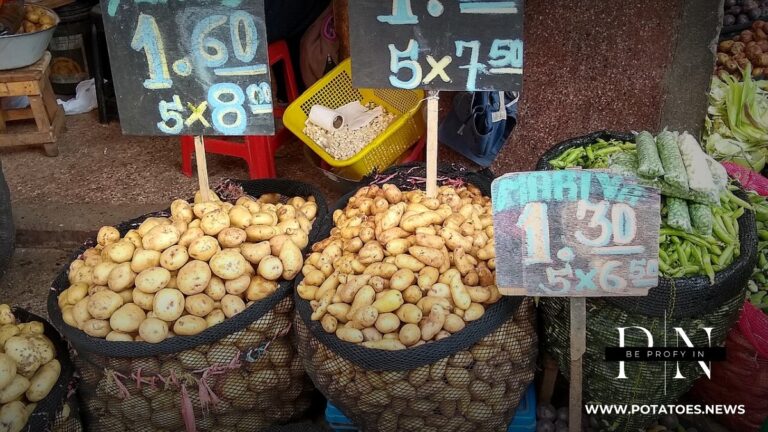
Photo: CEAGESP wholesale warehouse in Sorocaba, Brazil (illustrative). Ferik80 / Wikimedia Commons, CC BY 4.0