
Belgium Faces Unprecedented Potato Glut: 860,000 Tons Unsold as Demand Collapses
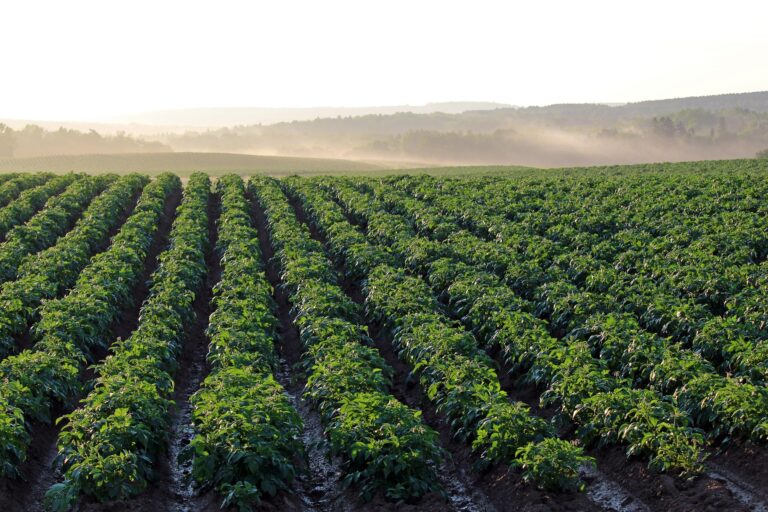
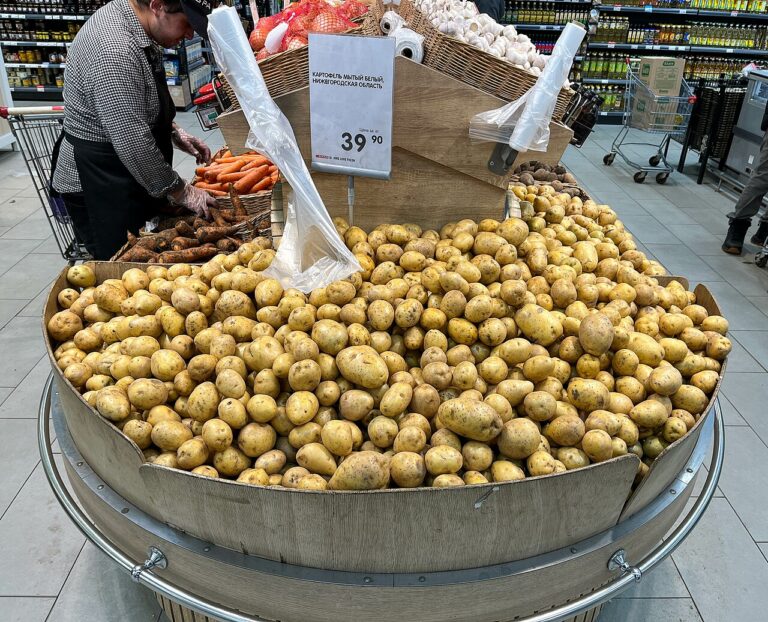
Belgium is currently grappling with a record potato surplus of at least 860,000 tons — 21% higher than the average of the previous three years — with farmers struggling to find buyers. According to Guy Depraetere, a potato expert at the General Farmers’ Union (ABS), this crisis is unlike any before. While overproduction occurs every two or three years, the current situation is unprecedented. The oversupply stems from years of expanding cultivation areas: Belgian farmers increased potato acreage to a record 107,000 hectares last year, up from approximately 95,000 hectares previously. This growth was driven by a decade of steady expansion from french fry factories, which grew by up to 5% annually, offering farmers increasingly large contracts without quantity limits. However, demand has suddenly dropped by 5–10% due to US tariffs on Belgian frozen fries and the emergence of new global competitors like China and India. The market price for fresh potatoes has collapsed from €18 to €12.50 per 100 kg, leaving many farmers barely covering transport costs.
The ABS has called for a 20% reduction in potato production to stabilize prices, but farmers face difficult questions about what to grow instead. Vegetables offer limited opportunities as frozen vegetable manufacturers require only small volumes, while corn — which is almost exclusively used for animal feed in Belgium — is not a profitable alternative. Cereal farmers are also struggling, and the sugar producer in Tirlenont has already requested a 20% cut in sugar beet production due to the Mercosur agreement flooding the market with Brazilian cane sugar. Meanwhile, mountains of unsold potatoes are piling up in Belgian barns. Producing more fries is not a solution, as processing contracts are based on factory capacity and additional refrigeration costs are prohibitive. At best, surplus potatoes are used for animal feed or biogas fermentation — often covering only transport costs. At worst, they are plowed back into fields, where they can become breeding grounds for dangerous mold. Some farmers, including Depraetere himself, are organizing “buy one, get one free” promotions at their farms, merely minimizing losses rather than earning profits. Depraetere notes that producers rarely discuss the crisis among themselves, predicting that “the surplus will end up in the fields, and in three or four months, no one will talk about it anymore.”