Seasonal Harvest Surge Drives Sharp Drop in Russian Potato Producer Prices
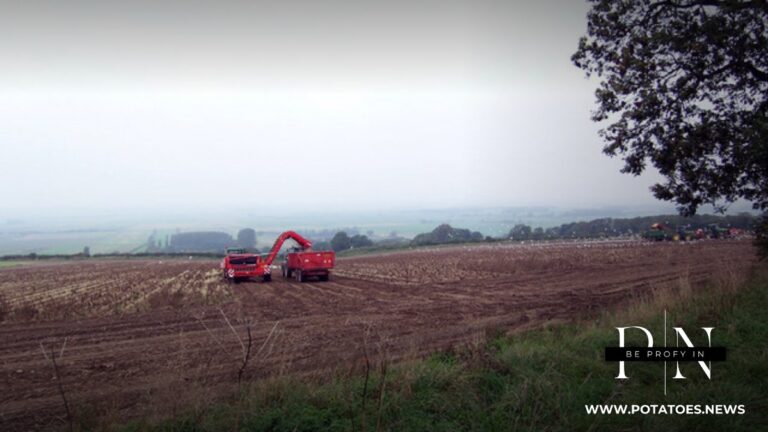
Russian potato prices are experiencing a rapid seasonal decline as the active harvest of open-field vegetables gets underway in southern regions, including Rostov, Astrakhan, and Stavropol. According to Alexei Krasilnikov, Director of the Potato Union, the field price at the start of the campaign stood at 60–65 rubles per kilogram, but has since plummeted to as low as 34 rubles per kilogram in Astrakhan. While this downward trend is expected to continue as supply volumes increase, Krasilnikov assured that domestic production will comfortably meet population demand. Despite planting starting two weeks later than last year, the campaign is nearly complete, with over 260,000 hectares (93% of the planned area) already planted. The Ministry of Agriculture projects a 2026 harvest of 8 million tons based on average five-year yields—a target Krasilnikov deems achievable, despite some logistical challenges with fuel supplies. Early produce, including cabbage, onions, carrots, and beets, is already reaching the market from multiple southern regions.
Meanwhile, import dynamics are shifting significantly. Potato imports have dropped nearly 2.5 times compared to last year, when they approached a record 900,000 tons—a level that severely undermined domestic producers’ profitability. Current imports, mainly from Azerbaijan, Egypt, and China, are expected to continue only until early July. At the same time, retailers have reportedly asked Russian producers for additional potato volumes in June, as last year’s stocks are either sold out or of poor quality. The Association of Omnichannel Retail Trade (AKORT) confirms that retail purchases of domestic potatoes have grown, with the share of imports in assortments nearly halving. However, potato growers continue to push for long-term annual contracts with clear terms on delivery schedules, prices, and volumes, arguing that the current tender-based system and vague agro-contracts lack binding guarantees, making storage economically unsustainable and exposing farmers to undue risks.