Austria: Farm Chamber Says Potato Yields Are Down 50–70% in Some Regions After an Unprecedented Drought
The autumn harvest in Austria is worse than feared, according to the national chamber of agriculture. Potatoes are among the hardest-hit crops, with expected yields 50–70% below the five-year average in some regions.
The autumn harvest in Austria is even weaker than farmers feared. That is the assessment of the national chamber of agriculture, published on 21 September. Potatoes are among the crops with the heaviest losses.
According to the chamber, expected potato yields are 50–70% below the five-year average, depending on the region. The farm magazine top agrar Österreich and the national news agency APA reported the same range. The worst damage is in the dry east of the country.
The president of the chamber, Josef Moosbrugger, said the failure of the autumn crops is “even more dramatic than feared”. According to him, the drought has reached a scale not seen before. He said the federal drought relief package and further measures are essential for the survival of many farms. He also called for more investment to make farming and forestry more resilient to climate change.
Weekdays. Unsubscribe in one click.
Other autumn crops show similar damage. The chamber expects the grain maize harvest to fall by almost 30% against the five-year average. For soybeans, the expected fall is more than 50%. Sunflower output could be more than one third lower. The oil pumpkin crop is expected to be about 20% smaller. For sugar beet, losses range from 30% to 70% depending on the region. Final figures for sugar beet are due in early October.
The new data follow earlier market signals. In mid-September, the market report of the farm weekly Bauernzeitung said that supplying the country for a full season with Austrian table potatoes alone looked unrealistic. Our report on Austrian potato prices of €32–35 per 100 kg was published on 24 September.
Why it matters
With potato yields in some regions at half of normal or less, Austria will need more stored and imported potatoes this season. This comes at a time when harvests in north-west Europe are also small. Buyers in Central Europe are therefore likely to compete for the same supply. For growers, the size of the losses makes the federal drought aid a central issue this autumn.
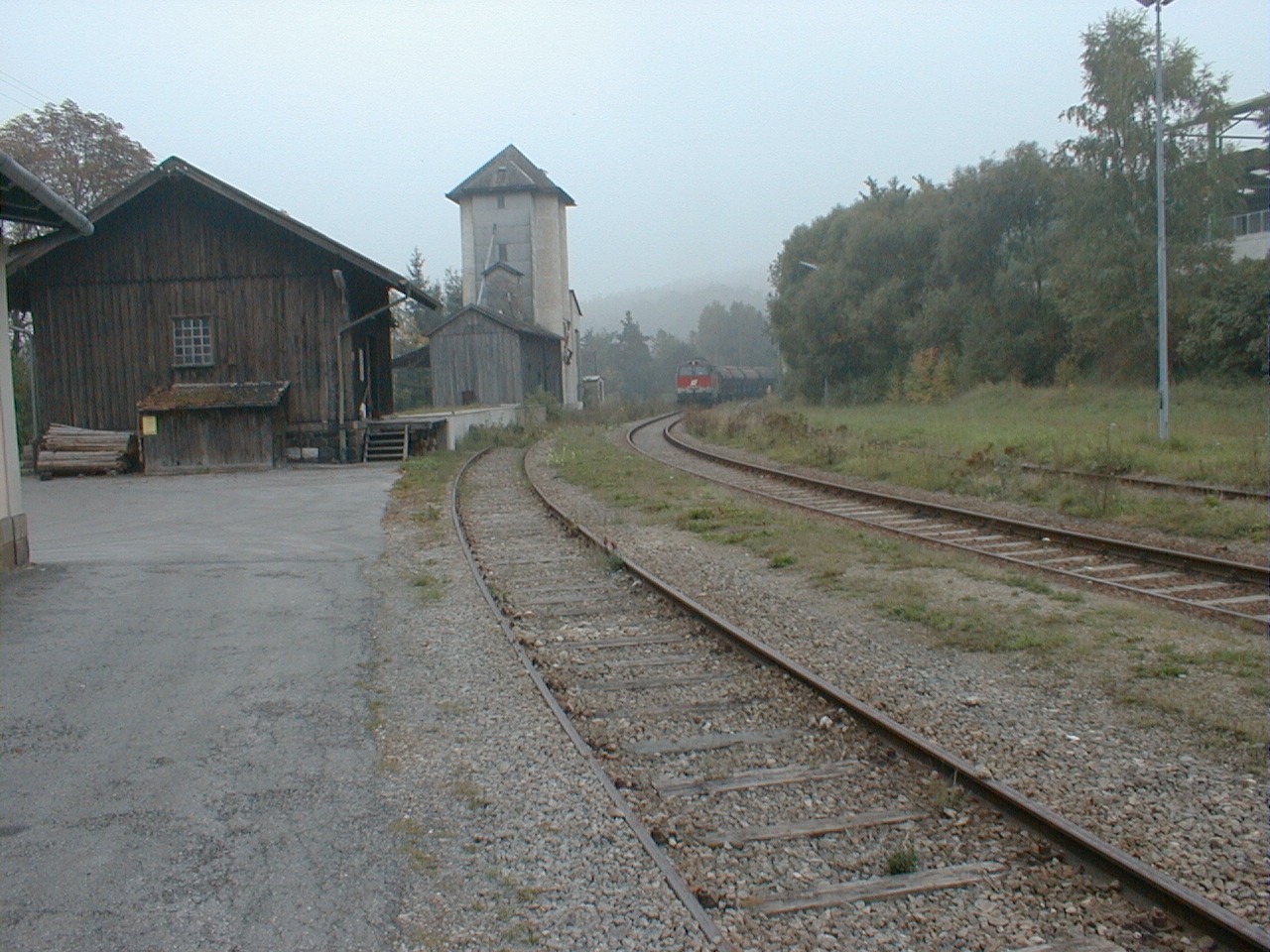
Photo: Potatoes loaded for rail transport at Raabs an der Thaya station, Lower Austria, in September 2000 (illustrative). Grubernst / Wikimedia Commons, CC0