McCain Foods is seeking a cut of $15 per tonne in the price it pays Tasmanian growers for processing potatoes, according to the grower group TasFarmers. The news was reported by Tasmanian Country on 30 September 2026. It follows a cut of $19.50 per tonne that growers accepted in 2025.
According to TasFarmers, McCain ended talks with the TasFarmers Growers Committee. Growers now face an ultimatum: accept the lower price or do not grow potatoes for the company. Growers Committee chairman Glynn Williams said talks had been held in good faith and were suddenly stopped. He said that ending talks just before planting puts extra pressure on farmers.
Williams listed rising costs. Diesel is close to $3 per litre, fertiliser costs have doubled compared with last season, and interest rates and wages are also rising, he said. McCain’s reply was not included in the reports.
Weekdays. Unsubscribe in one click.
Simplot contracts signed two weeks earlier
The McCain move comes shortly after a similar process with Simplot, which runs a potato processing plant at Ulverstone in Tasmania. PotatoPro and Spud Smart, citing TasFarmers, reported that most Simplot growers signed new contracts with an average price cut of 2.5%. Simplot had set a deadline of 5 pm on 15 September. TasFarmers chief operating officer Neil Grose said most farmers signed at 4:45 pm, and one large grower did not sign.
In August, Pulse Tasmania reported that Simplot offered 46 to 49 cents per kilogram, while growers put their production cost at 42 cents per kilogram. Grose said grower margins had fallen by more than 60% over two seasons. Simplot had also flagged a cut of about 30,000 tonnes from the 2027 harvest for the Ulverstone plant.
TasFarmers says Tasmanian potato growers have invested more than AUD 1.8 billion in farmland, machinery and cropping infrastructure. TasFarmers CEO Nathan Calman said growing margins have fallen sharply in recent years and called on McCain to return to talks.
Why it matters
Tasmanian processing growers depend on a small number of buyers. When two large buyers cut prices in the same season, growers have few other outlets. Some may reduce area or leave the crop, which could affect raw material supply for the plants in later seasons.
The dispute also shows a wider trend: processors in several regions are pushing contract prices down after a period of large crops and high stocks, while farm costs remain high.
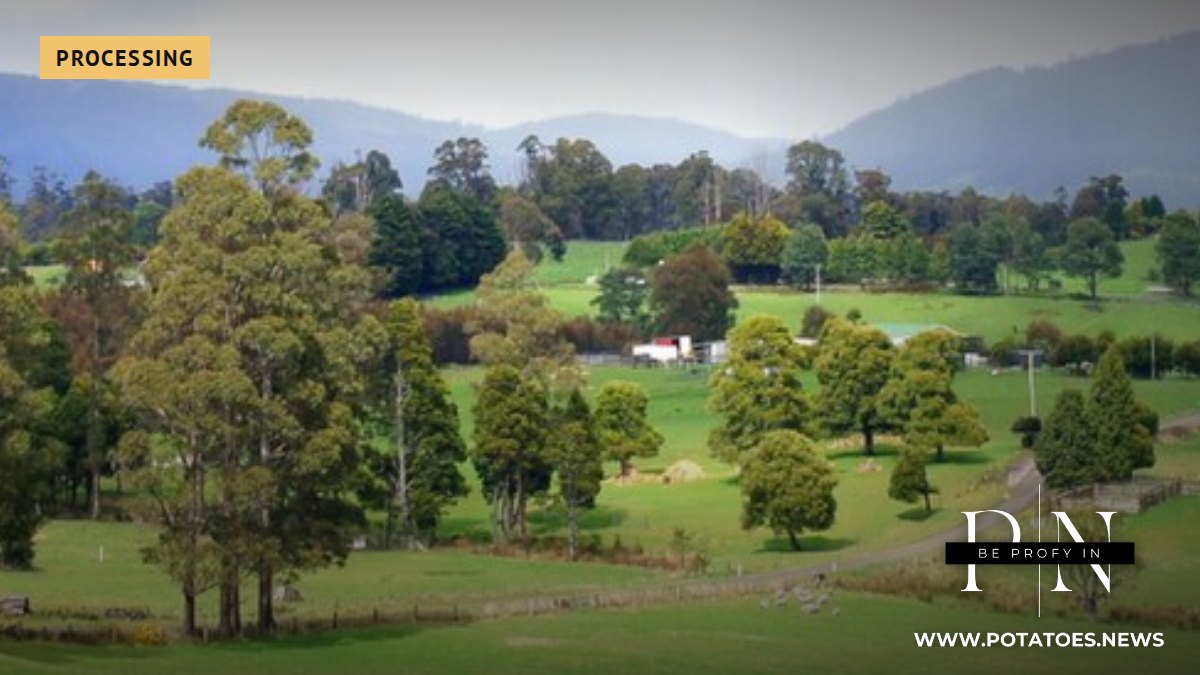
Photo: Farmland in the Tamar Valley, Tasmania (illustrative). tiimta / Wikimedia Commons, CC BY-SA 3.0