
Argentina: Senate Bill Would Cap Seed Royalties at 10% and Cover Saved Potato Tubers
A bill in the Argentine Senate would require farmers to pay royalties on saved seed of protected varieties, including potato tubers, capped at 10% of the original seed value.
A bill in the Argentine Senate would change the rules on farm-saved seed. It proposes to reform Law 20.247 on Seeds and Plant Creations. Senators Jorge Capitanich and Adán Bahl presented the initiative. The project was reported on 23 September 2026 by the news site Agendar and the potato portal Argenpapa.
The bill does not ban the use of saved seed. Instead, it treats own use as an exception for protected varieties. Farmers who are not exempt would have to pay royalties to the breeder.
Main changes
Royalties would be limited to 10% of the value of the original seed. The amount of seed a farmer keeps could not exceed the volume bought legally. A larger amount would need the express consent of the breeder.
Weekdays. Unsubscribe in one click.
Family farmers listed in the National Register of Family Agriculture would not pay royalties. However, they would still have to join a register of users.
What it means for potatoes
For potatoes, the rule would cover tubers kept as planting material when they belong to protected varieties. Public-domain varieties would not carry royalties once the breeder’s right has expired.
According to the report, the bill entered the Senate on 3 March 2026. It still has to go through parliamentary debate. No vote date has been announced.
Context
Argentina grows potatoes mainly in the southeast of Buenos Aires province, Córdoba, Tucumán and Mendoza. Many growers multiply their own seed for several generations. Seed companies and public breeders such as INTA license protected varieties. Enforcing royalties on saved tubers has been difficult in practice.
Why it matters
If passed, the law would give breeders a clearer legal basis to collect royalties on saved potato seed. This could support investment in new varieties. For growers who save their own seed, it would add a cost and a registration duty. The cap of 10% sets a limit on that cost. Growers of older, public varieties would not be affected.
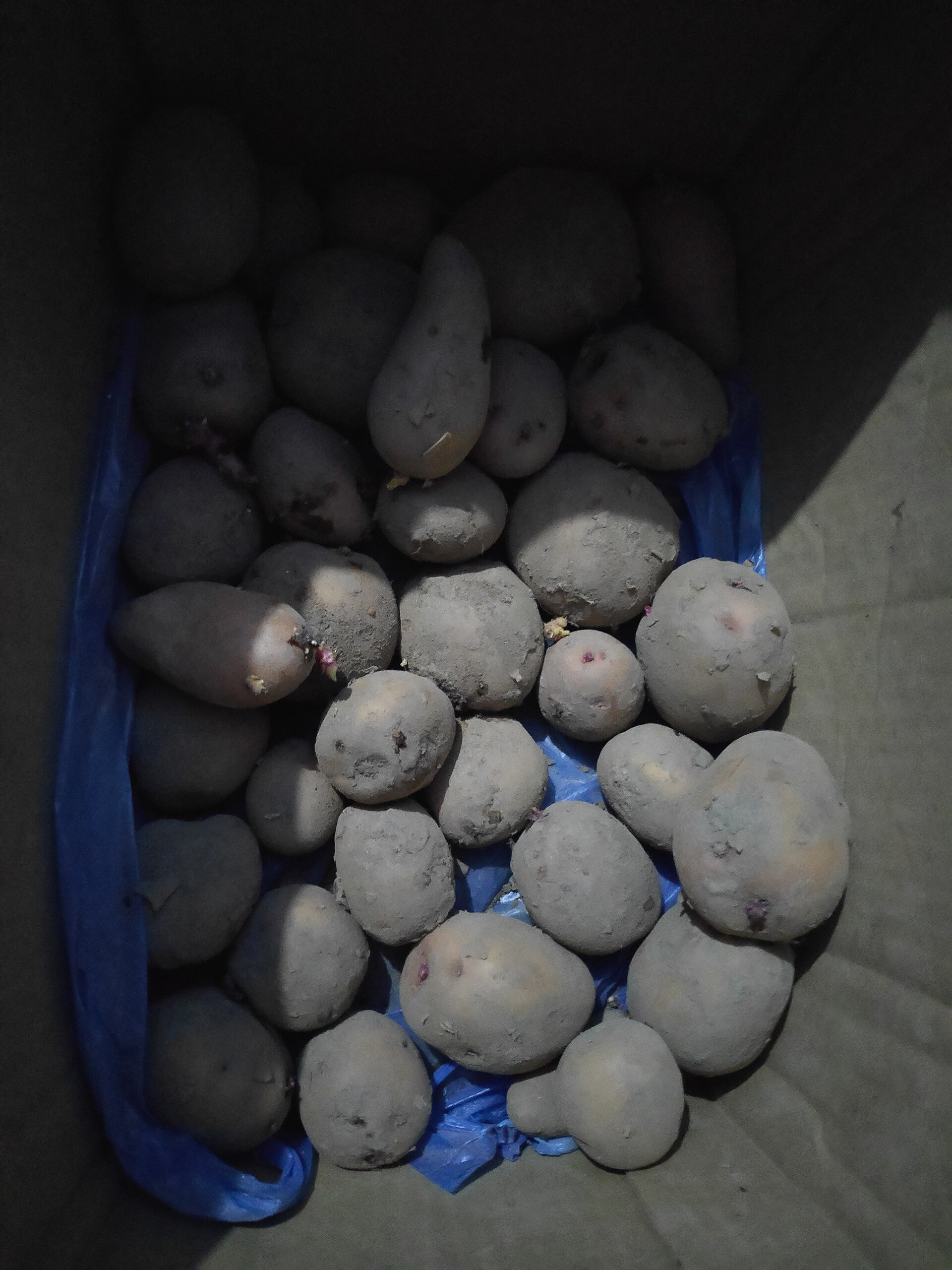
Photo: Seed potatoes (illustrative). Gaurav Dhwaj Khadka / Wikimedia Commons, CC BY-SA 4.0