Argentina (Mendoza): Research into Management Strategies Against Potato Late Blight
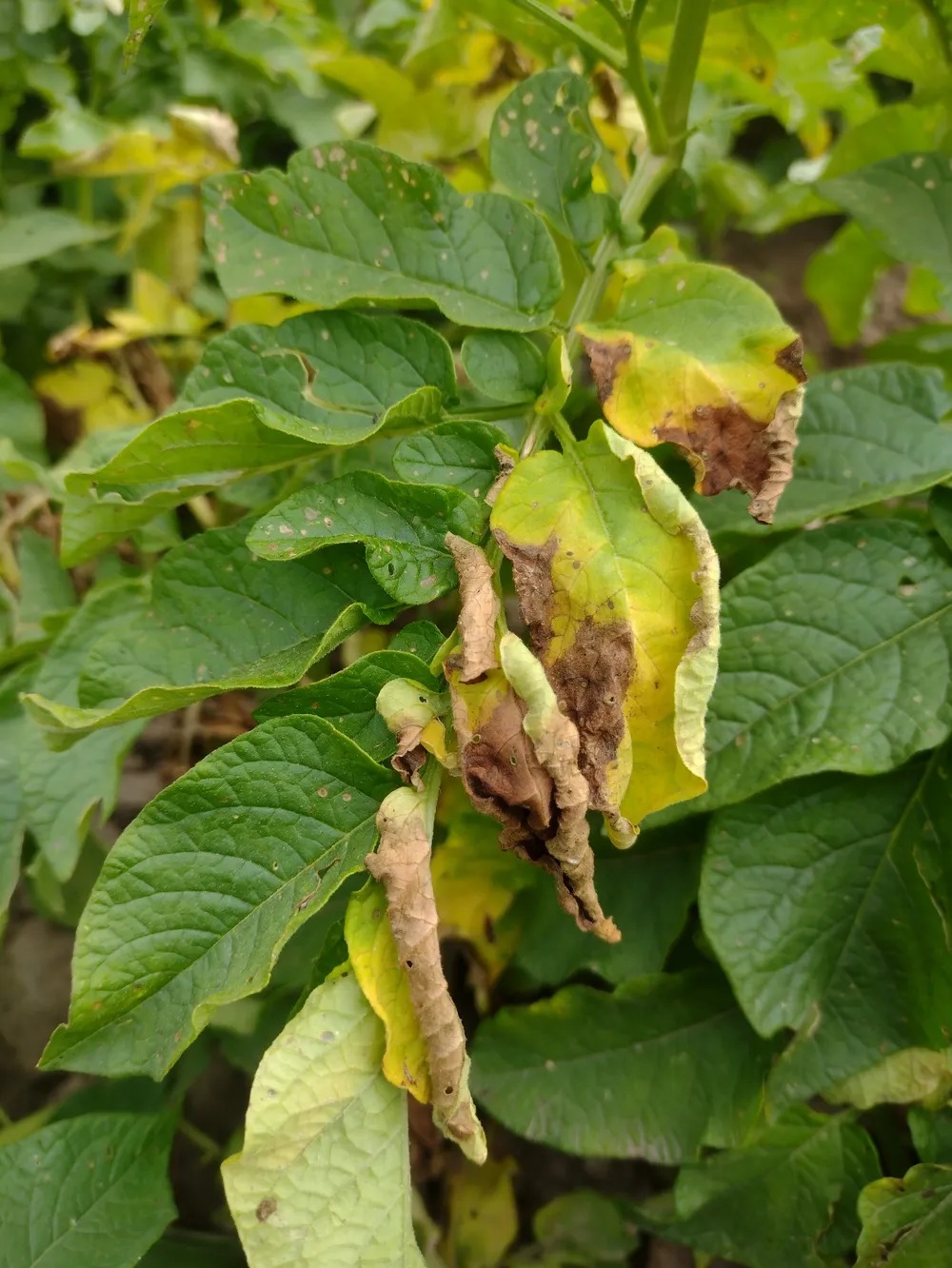
Active research and development work is underway in the province of Mendoza (Argentina), aimed at finding and implementing effective strategies to combat potato late blight (tizón tardío). This disease, caused by the oomycete Phytophthora infestans, remains one of the primary threats to the yield and profitability of the region’s potato sector.
The province of Mendoza is an important region for potato production in Argentina, but local producers face phytosanitary risks annually. Late blight is capable of destroying plantations in a very short time if weather conditions favor its development, prompting scientists to search for more sustainable and environmentally friendly plant protection methods.
Focus Areas of the Research Work
Modern research focuses on moving away from exclusively chemical control methods toward Integrated Pest Management (IPM). Scientific groups are working in several key areas:
Weekdays. Unsubscribe in one click.
- Monitoring and Early Warning: Developing and testing predictive models that, based on meteorological data (air humidity, temperature, precipitation), can forecast periods of highest infection risk with high accuracy. This allows farmers to apply treatments precisely and timely, reducing the overall pesticide load.
- Studying Pathogen Resistance: Scientists are analyzing populations of Phytophthora infestans in Mendoza to determine their level of resistance to commercial fungicides currently available on the market. This is necessary to adjust recommendations for active ingredients and prevent the fungus from adapting.
- Biological Control and Alternative Methods: Introducing biofungicides based on beneficial microorganisms and plant extracts into practice, which can suppress the development of the disease without harming the environment or consumer health.
Practical Benefits for Mendoza’s Farmers
The main goal of the ongoing research is to provide Mendoza’s potato growers with clear, scientifically backed action protocols. Optimizing protection strategies will allow farmers to:
- Reduce Production Costs: Fewer treatments, thanks to precise scheduling, will substantially lower expenditures on expensive plant protection products.
- Improve Product Quality: Timely control of the disease will prevent tuber infection, improving their commercial appearance and shelf life during storage.
- Meet Environmental Standards: Reducing the chemical impact on soil and water resources aligns with the modern requirements of sustainable agriculture.
The research organizers emphasize that the key factor for success is the close integration of science and practice—regularly holding field days and workshops where farmers can personally review experimental results and adopt advanced practices.