
UV Treatment Unit Promises Longer Storage Life for Seed Potatoes and Vegetables
Why it matters
- For farmers
- A chemical-free UV option is early-stage; worth watching for published loss data before considering it over existing storage treatments.
- For investors
- An early-stage, non-chemical storage treatment from a state agroengineering center is worth tracking for performance data as it moves past the experimental unit.
60-second summary
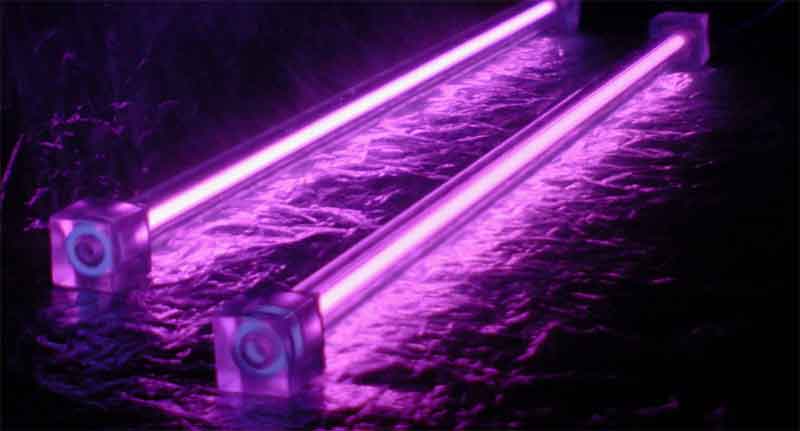
Specialists at VIM, Russia's Federal Scientific Agroengineering Center, have built an experimental unit that treats seed potatoes and vegetables with ultraviolet light before storage. The automated system adjusts UV intensity and exposure time to match the crop and storage conditions, which the developers say improves storage quality, with the clearest gains at elevated temperatures where spoilage risk is highest. The aim is to suppress pathogens and slow physiological deterioration without chemical treatment, targeting two persistent causes of post-harvest loss: microbial spoilage and premature sprouting during extended storage. The developers describe the approach as non-invasive and environmentally friendly compared with chemical treatments. The article describes the unit as an experimental, early-stage installation rather than a commercially deployed product, and it gives no loss-reduction figures, storage duration data, cost estimate or timeline for wider adoption.
Global Potato Brief
Top five stories, prices, disease alerts and events. Weekday mornings, no advertising.
Sources
- VIM, Russia's Federal Scientific Agroengineering Center, developer of the experimental unit described in the article.
Linked in this material
- Country
- Russia
Related stories
Austria: Home-Grown Table Potatoes Unlikely to Cover Demand This Season as Prices Reach €32–35 per 100 kg
Bangladesh: A Dispute Over Cold-Store Rent Turns Violent in Rajshahi as Fuel Costs Rise for Potato Growers


