Potato Virus B (PVB) is a major threat to potato crops and can lead to significant yield losses. In this article, we will discuss the symptoms, transmission, and management strategies for PVB, using the latest data from various sources.
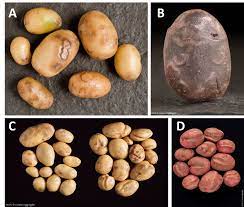
Potatoes are a vital staple crop worldwide, and PVB is a significant threat to their production. The virus is mainly transmitted through infected seed tubers, which may show no symptoms, making it challenging to detect. Once the virus is established in a crop, it can result in stunted plant growth, curled leaves, reduced yields, and lower quality potatoes.
To manage PVB, it’s essential to use virus-free seed potatoes, rotate potato crops, and practice strict sanitation measures to prevent the spread of the virus. Farmers can also use chemical control measures, but these should be used with caution as they may harm the environment and non-target organisms.
Weekdays. Unsubscribe in one click.
In conclusion, PVB poses a significant threat to potato production, and it’s crucial for farmers and growers to take proactive measures to manage and prevent its spread. By using disease-free seed potatoes and implementing effective management strategies, farmers can safeguard their potato crops and ensure their continued productivity.
Potato Virus B (PVB) is a major threat to potato crops and can lead to significant yield losses. In this article, we will discuss the symptoms, transmission, and management strategies for PVB, using the latest data from various sources.
Potatoes are a vital staple crop worldwide, and PVB is a significant threat to their production. The virus is mainly transmitted through infected seed tubers, which may show no symptoms, making it challenging to detect. Once the virus is established in a crop, it can result in stunted plant growth, curled leaves, reduced yields, and lower quality potatoes.
To manage PVB, it’s essential to use virus-free seed potatoes, rotate potato crops, and practice strict sanitation measures to prevent the spread of the virus. Farmers can also use chemical control measures, but these should be used with caution as they may harm the environment and non-target organisms.
In conclusion, PVB poses a significant threat to potato production, and it’s crucial for farmers and growers to take proactive measures to manage and prevent its spread. By using disease-free seed potatoes and implementing effective management strategies, farmers can safeguard their potato crops and ensure their continued productivity.
#PVB #potatovirus #potatocrops #agriculture #farming #cropmanagement #plantdisease