UK Potato Area Shrinks 20% in a Decade — Yet Remains Among Britain’s Most Valuable Crops
A GB Potatoes survey puts the 2026 UK planted potato area at around 100,000 hectares, down 20% over a decade, even as the crop generated nearly £1.5 billion in 2025, per Defra.
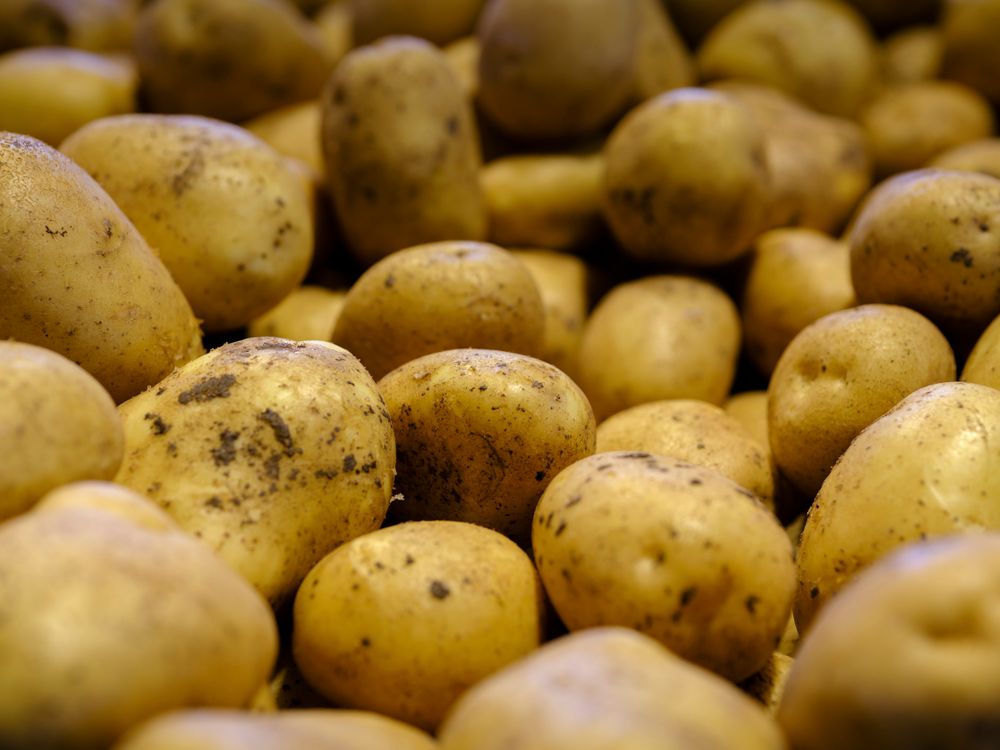
The UK’s potato cultivation area has declined by roughly 20% over the past decade to around 100,000 hectares, according to preliminary GB Potatoes figures — even as the crop generated almost £1.5 billion in agricultural value in 2025, Defra data show.
Britain’s potato footprint keeps shrinking. Preliminary figures from GB Potatoes put the 2026 cultivation area at around 100,000 hectares — a decline of approximately 20% over the past decade, although plantings have begun to stabilise in recent years. The number crystallizes the structural squeeze behind this autumn’s headlines, including McCain’s restructuring of its three UK factories.
A high-value crop on a shrinking base. Despite the contraction, potatoes remain one of the UK’s most valuable arable crops. Official Defra statistics for 2025 put the value of UK potato output at £1.46 billion — down 5.4% from 2024 — placing potatoes behind wheat (£2.14 billion), fresh vegetables (£2.12 billion) and plants and flowers (£1.62 billion) in that year’s crop-value rankings, but still among the top tier. Few crops of its footprint deliver that much output, which is precisely why the industry argues its decline deserves policy attention rather than resignation.
Weekdays. Unsubscribe in one click.
Third in the world for yield. The UK ranks third globally for potato yields, behind only New Zealand and the United States, with FAO data showing British yields at more than twice the global average, according to GB Potatoes. The productivity paradox is stark: world-class yields on a shrinking base, achieved by a thinning grower population. Potato grower Alex Godfrey, chair of GB Potatoes, who harvests approximately 20,000 tonnes annually, estimates that only around 1,000 dedicated commercial potato growers remain in the country.
Water is the binding constraint. Drought and concerns over reliable irrigation supplies continue to pressure growers, and GB Potatoes has highlighted secure water supplies as the sector’s critical need. The organization also points to opportunities in developing potato-based products and expanding consumption — a demand-side agenda to match the supply-side fixes. The emphasis on irrigation is telling: potatoes are among the most water-sensitive field crops in British rotations, and a grower base of roughly 1,000 commercial producers means investment decisions by a relatively small group now determine national supply.
Stabilisation or pause? The claim that plantings have begun to stabilise in recent years deserves scrutiny rather than comfort. Stabilisation at 100,000 hectares would still leave the UK processing and fresh sectors structurally tighter than a decade ago, with less buffer when a drought year hits. A difficult 2026 growing season, marked by drought and reports of a smaller crop than usual, has already tested that buffer; if it pushes more growers toward less risky crops, the current plateau could prove to be a pause rather than a floor.
Why it matters. A roughly 100,000-hectare crop that still generates close to £1.5 billion is efficient but fragile: each difficult year now removes capacity that does not automatically return. For processors, retailers and policymakers, the GB Potatoes numbers turn an agronomic story into an infrastructure question: irrigation investment and grower economics will decide whether the decline stabilises near 100,000 hectares or resumes its slide. Watch for Defra’s confirmed 2026 area figures and any water-security measures in the next agricultural policy round.
Sources: FreshPlaza (GB Potatoes survey); official 2025 crop values: UK government, Defra — Agriculture in the United Kingdom 2025.