Turkey: Five Provinces Grow 54% of a 6.9 Million Tonne Potato Crop
Niğde, Kayseri, Konya, Afyonkarahisar and Sivas produced 3.7 million tonnes of Turkey's 6.9 million tonne potato crop in 2024. Output has grown almost fivefold since 1961.
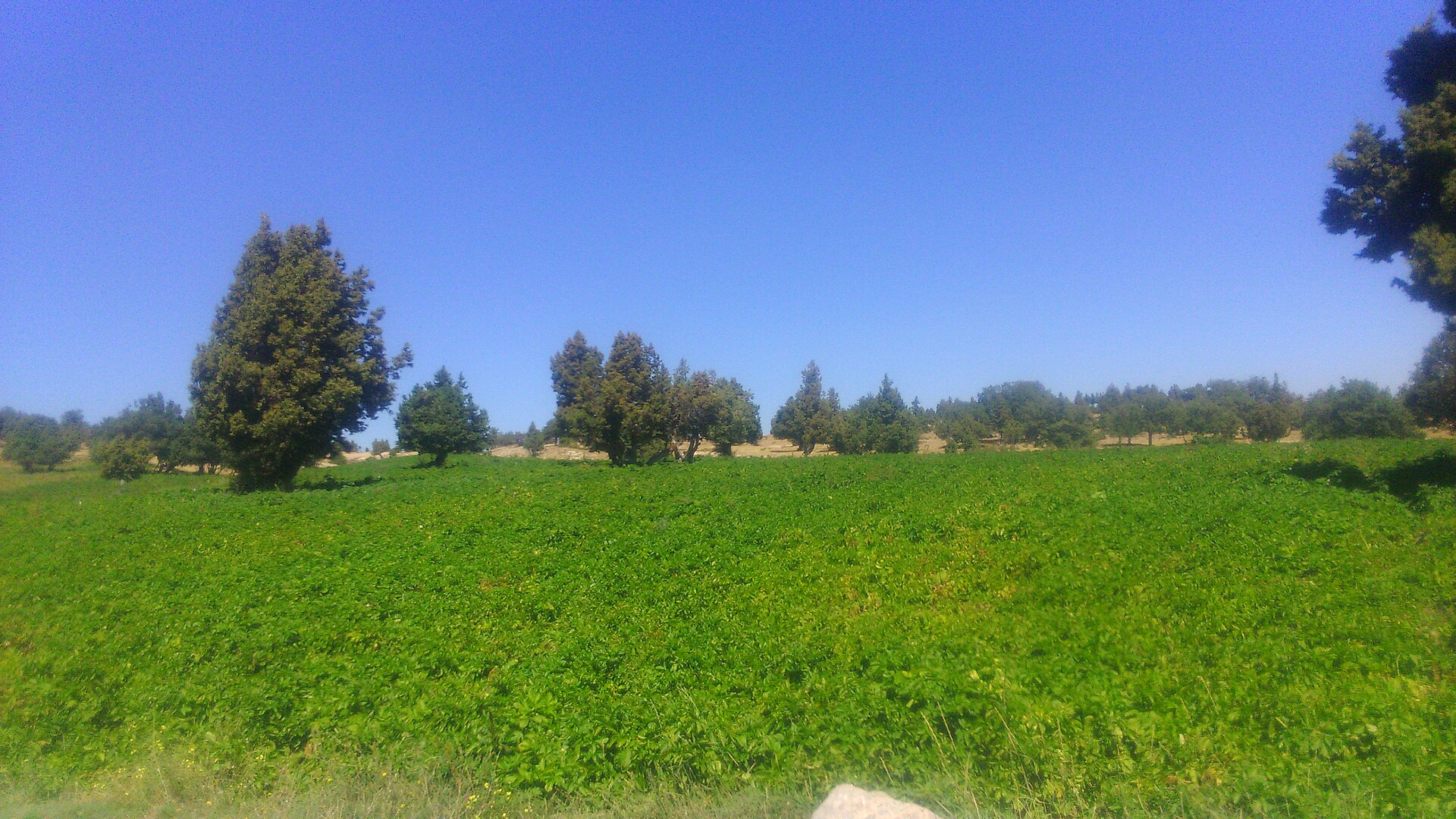
Turkey’s potato crop is concentrated in the high plains of Central Anatolia. According to the 2025 potato product report of the Institute of Agricultural Economics and Policy Development (TEPGE), five provinces produced 3.7 million tonnes of the country’s 6.9 million tonne crop in 2024, or about 54%.
- Niğde: 915,734 tonnes (13.3%)
- Kayseri: 787,842 tonnes (11.4%)
- Konya: 753,717 tonnes (10.9%)
- Afyonkarahisar: 688,152 tonnes (10.0%)
- Sivas: 560,398 tonnes (8.1%)
The highest yields were in Bitlis (4,361 kg per decare), Kayseri (4,338 kg/da) and Adana (4,054 kg/da), according to the report.
Six decades of growth
FAOSTAT data, published by Our World in Data, show a harvest of 1.41 million tonnes in 1961 at 9.6 t/ha. In 2024 the harvest was 6.9 million tonnes at 35.2 t/ha, almost five times more. Most of the growth came from yields. The area rose from about 147,000 ha in 1961 to about 196,000 ha in 2024.
Weekdays. Unsubscribe in one click.
The last two years brought a jump. TEPGE data show an area of 150,927 ha in 2023 and 195,775 ha in 2024, an increase of 29.7%. Production rose 21.1% to 6.9 million tonnes, while the yield fell 6.7%. For 2025 TEPGE expected production to fall 13% to 6 million tonnes.
Trade and consumption
Turkey is slightly more than self-sufficient. In the 2023/24 season consumption was 4.95 million tonnes, or 58.0 kg per person, and the self-sufficiency rate was 102.0%, according to TEPGE. In the 2024/25 marketing year Turkey exported 284,134 tonnes of potatoes. The main buyers were Syria (34.8%), Azerbaijan (23.1%) and Iraq (19.1%).
Why it matters
Turkey ranks 13th among the world’s potato producers, according to TEPGE, and it supplies its neighbours. But the crop depends on a small number of provinces, mostly on irrigated land in Central Anatolia. A dry year or a price fall in Niğde or Konya affects the whole market.
The large swing in area between 2023 and 2024 also shows how quickly Turkish farmers react to prices. For exporters and buyers in Iraq, Syria and the Caucasus, Turkish supply can change strongly from one year to the next.
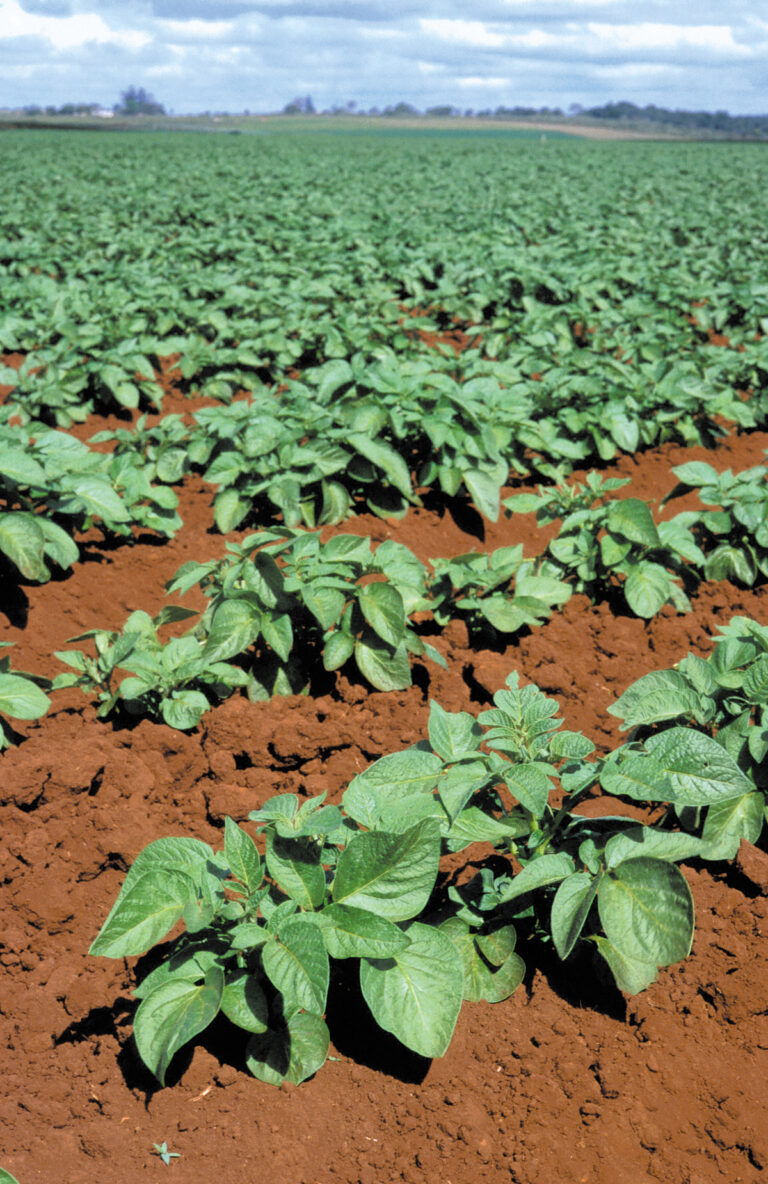
Photo: A potato field in Bozköy, Turkey (illustrative). Nsc3397 at Turkish Wikipedia / Wikimedia Commons, Public domain