The Surprising Origin of Ireland’s Most Iconic Crop: Potatoes Came from the Americas
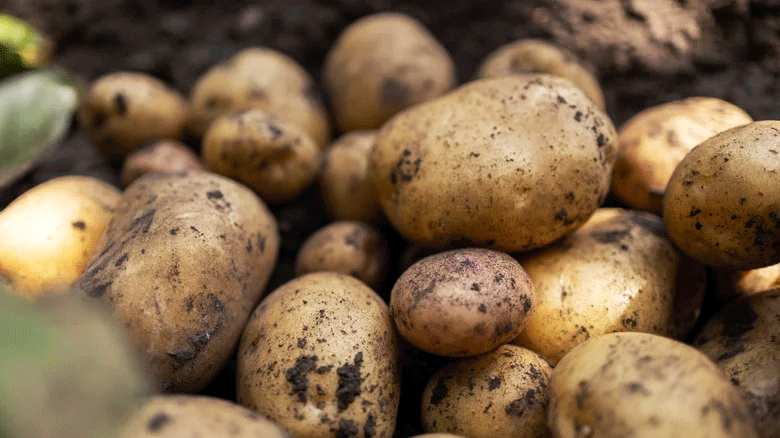
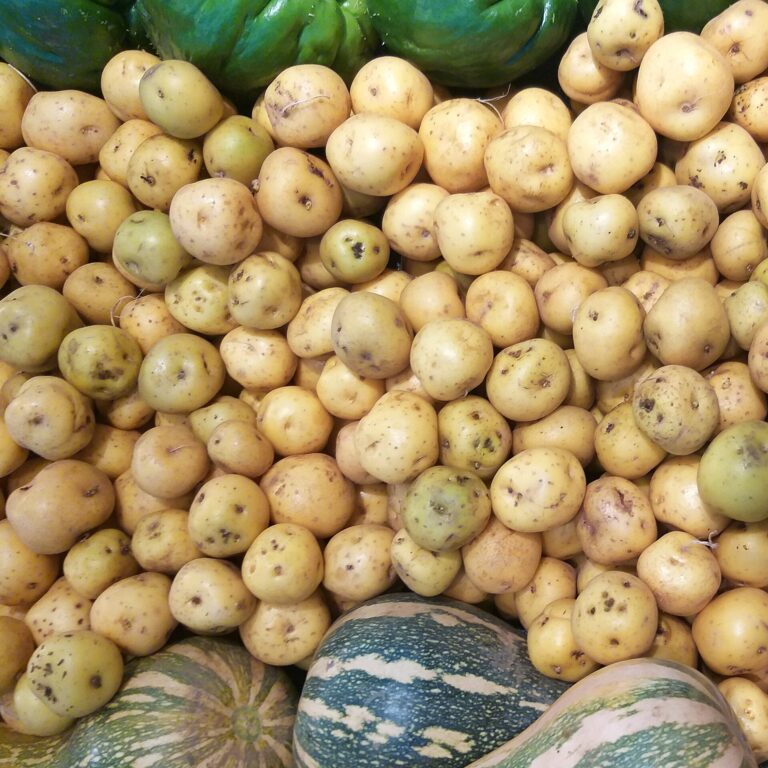
When one thinks of Ireland, images of misty green hills, cozy pubs, and hearty potato dishes like colcannon or corned beef with potatoes immediately come to mind. The humble tuber is so deeply woven into Irish culinary and cultural identity that it seems almost inseparable from the nation itself. Yet, despite its centuries-long cultivation and profound impact on Irish history—from daily sustenance to the tragic legacy of the Great Famine—the potato is not native to Ireland at all. In fact, this beloved vegetable originated thousands of miles away, in the Andes mountains of South America, where it was first domesticated by Incan communities around Lake Titicaca, straddling modern-day Bolivia and Peru.
The potato, a member of the nightshade family, thrived in the region’s diverse altitudes and microclimates long before European contact. It was not until the 1500s that Spanish conquistadors transported the tuber across the Atlantic to Europe, where it was initially regarded as a botanical curiosity. Ireland, however, proved to be one of the most enthusiastic adopters, as the crop adapted well to the country’s cool, damp climate and provided a nutritious, calorie-dense food source for a growing population. Over time, the potato became a dietary staple, cementing its place in Irish culture so thoroughly that today it is often mistakenly assumed to be native to the Emerald Isle—a testament to how deeply a foreign import can become rooted in a nation’s identity.