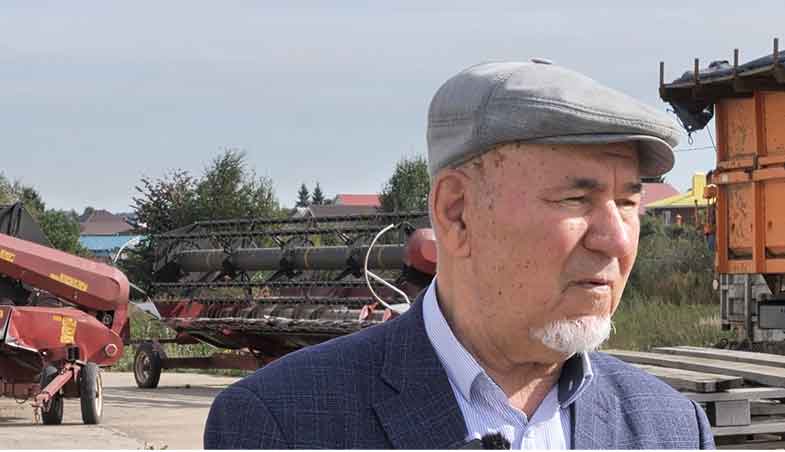
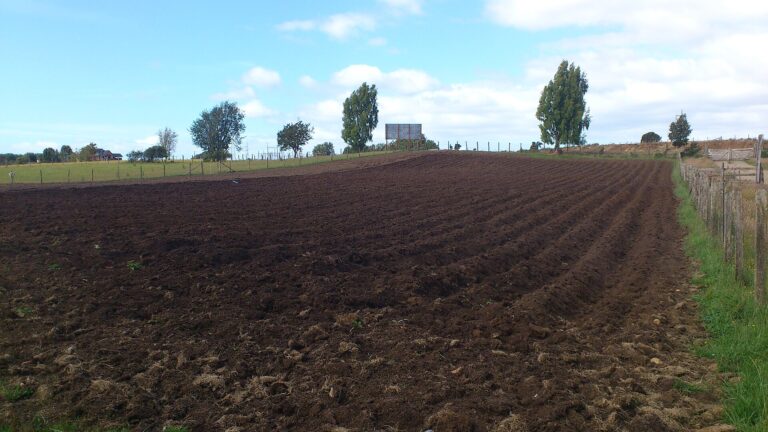
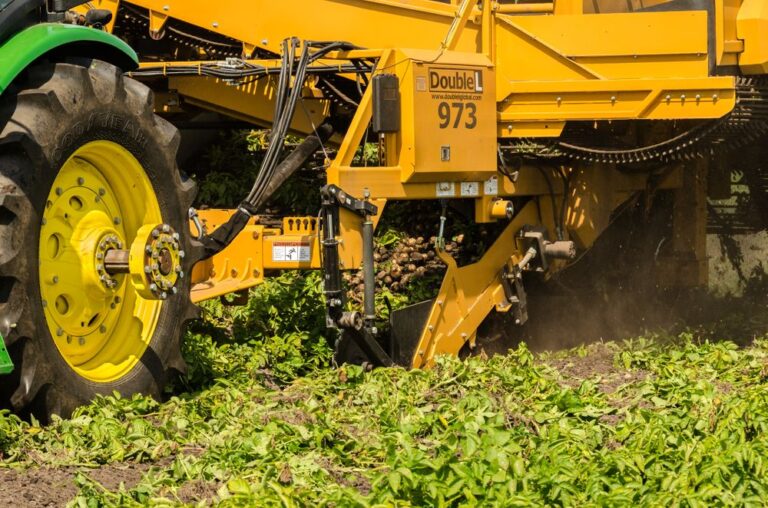
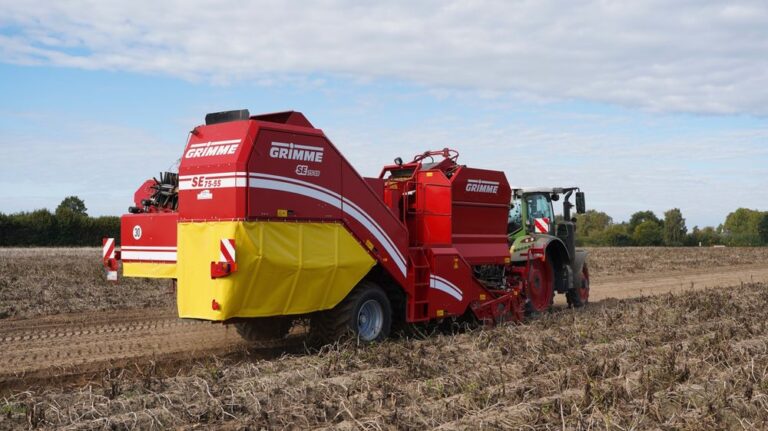
Mintalip Minekhanov, known across Tatarstan as the “potato king,” has built an agricultural empire from humble beginnings. His peasant-farming enterprise in the village of Starye Yerykly now spans 350 hectares and annually produces around 3,000 tonnes of potatoes, 1,000 tonnes each of carrots and beets, plus grain. His vegetables supply kindergartens, schools, and hospitals in Naberezhnye Chelny and other districts of the republic, while part of the harvest is shipped to Moscow, Dagestan, Chechnya, and even Kazakhstan. It all started modestly: in 2000, the Minekhanov family received 50 hectares from the Jalil collective farm, and their starting capital came from selling two garages and a small apartment in Chistopol. With that money they bought a used crawler tractor, a cultivator, and a seeder. Today the farm boasts 350 hectares of agricultural land, two potato storage facilities holding 5,000 tonnes, a grain-drying complex, and its own machinery — from a potato harvester to a KAMAZ truck that Minekhanov drives himself.
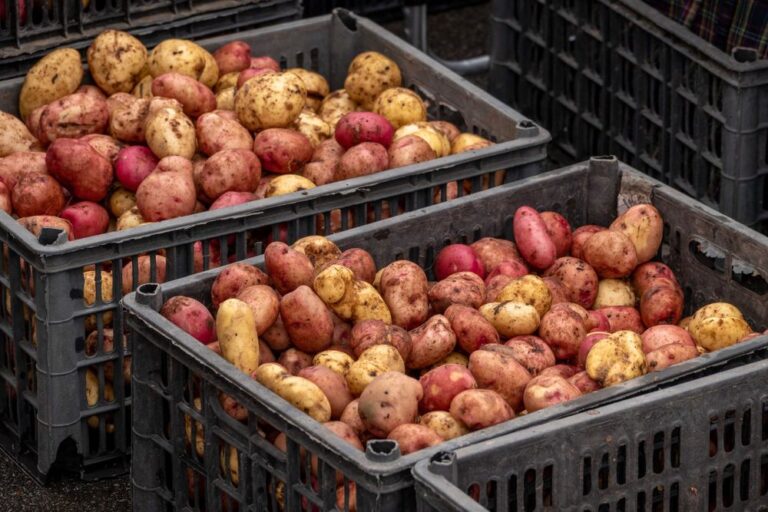
The farm’s flagship potato variety, “Gala,” was chosen deliberately: its shallow eyes make it ideal for machine peeling, a critical factor for supplying kindergartens, schools, and hospitals. Other varieties grown include Red Scarlett, Rosara, Vineta, Riviera, and Lady Claire, with the farm’s profitability exceeding 35%. Since 2005, drum and circular irrigation machines have watered the fields, covering up to 60 hectares in a single pass. In 2010, when drought scorched crops across the republic, irrigation alone allowed the farm to harvest a record crop — and when Naberezhnye Chelny authorities asked the farmer not to sell his potatoes elsewhere, he supplied the city. The rural business has become a family affair: wife Ramziya works as a cook, son Ramis is the manager, daughter Liliya handles accounting and legal affairs, and grandson Aidar, a distinguished graduate of Kazan Agrarian University, now works on the farm. Minekhanov Sr. also heads the “Yedinstvo” cooperative, uniting more than 40 shareholders in the Tukayevsky district. Together they are building an automated 2,000-tonne vegetable storage facility featuring ventilation, cooling, humidification, and automatic packaging — a complex worth around 60 million rubles.