The Native Potato of Huamalíes: A Testament to Resilience Amidst Climate Extremes

Exclusive for Potatoes.news
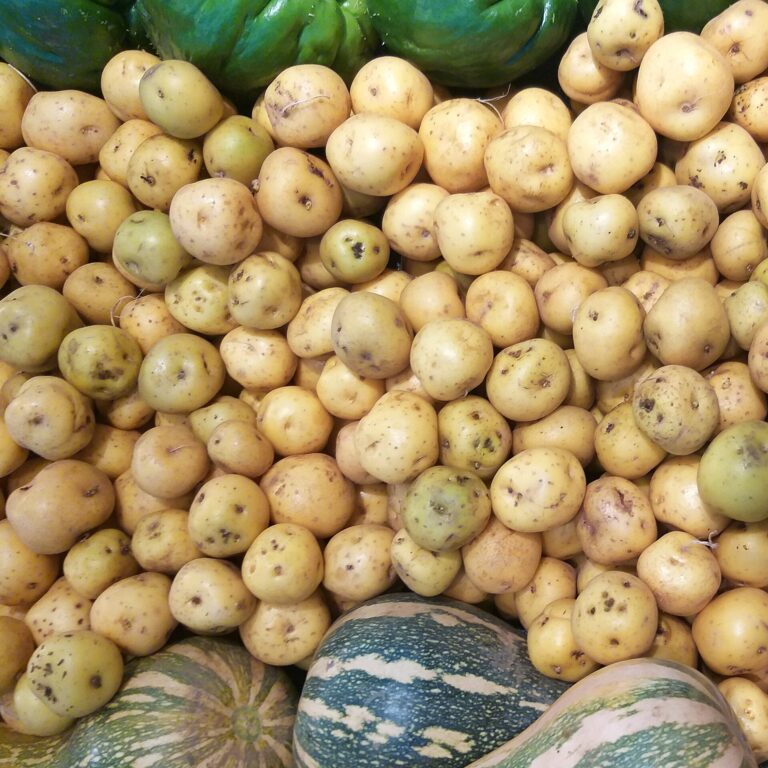
The high-altitude regions of the Andes have long been recognized as the cradle of potato biodiversity. Today, this genetic wealth is proving to be a crucial asset in the face of a rapidly changing global climate. Specifically, the province of Huamalíes, located in the Huánuco region of Peru, is showcasing the remarkable ability of native potatoes to adapt and thrive despite extreme climatic conditions.
Argenpapa
Weekdays. Unsubscribe in one click.
Overcoming Extreme Weather Challenges
The recent agricultural season in Huamalíes was fraught with severe weather events that tested the limits of local crops.
- The production cycle was heavily impacted by environmental stressors including frost, prolonged drought, and devastating hailstorms that struck the region in January. Argenpapa
- Additionally, the crops faced outbreaks of late blight, a destructive micro-organism that is increasingly thriving at higher elevations due to rising global temperatures. Argenpapa
- December’s harsh weather conditions initially led to a reduction in expected yields. Argenpapa
Despite these formidable hurdles, the native potato harvest has commenced with promising results. According to Redi García Cotrina, head of the Agricultural Agency, the success of this campaign was largely due to the collaborative efforts between technical teams, the Native Potato project, and the dedicated local producers who worked tirelessly to mitigate the climate’s impact.
Argenpapa
A Wealth of Genetic Diversity
The resilience of the Huamalíes potato is deeply rooted in its genetic diversity. This variety provides natural defenses against pests and extreme weather, reducing the reliance on chemical interventions.
Crop Trust
- In terms of agricultural mapping, the Agricultural Agency has already identified and registered up to 405 distinct varieties of native potatoes within Huamalíes. Argenpapa
- This impressive record underscores the genetic richness of the region and highlights its immense potential for future agricultural advancements and food security. Argenpapa
- Authorities plan to update this extensive database by the end of the year, operating under the strong belief that even more resilient native varieties remain to be discovered in the province. Argenpapa
Market Expansion and The Native Potato Route
Beyond survival and cultivation, the local government and agricultural agencies are actively working to ensure the economic viability of these crops. The second edition of the “Native Potato Route” event, held in the town of El Porvenir, served as a platform to highlight the region’s agricultural diversity.
Argenpapa
Regional Councilor Ricardo Prado García emphasized that initiatives like the Native Potato Route are designed to strengthen both the production and logistical chains tied to potato cultivation. Looking ahead to the 2026 season, local farming associations have secured guaranteed markets to distribute over twenty tons of native potatoes. Because the local market in Huánuco is currently saturated, strategic plans are in motion to expand distribution to broader regions, including Huaraz in Áncash, the capital city of Lima, and various coastal areas.
Argenpapa
Conclusion
The story of the Huamalíes native potato is a powerful example of how traditional agrobiodiversity, combined with modern collaborative agricultural practices, can weather the storm of climate change. As extreme climatic events become more frequent, the genetic library preserved by the farmers of Huánuco will only become more vital to the global agricultural community.
ResearchGate
Sources of Information:
- Argenpapa: Peru: The native potato of Huamalíes demonstrates a remarkable ability to adapt to extreme climatic conditions. (argenpapa.com.ar/noticia/17398- / argenpapa.com.ar/noticia/17399-)
- Crop Trust: Potatoes for a Changing Climate