As farmers continue to struggle with labor shortages, technology steps in with innovative tools to help bridge the gap.
The United Nations estimates the world’s population will expand to nearly 10 billion people by 2050*, and agricultural operations must rise to the challenge of feeding this growing global population. However, as the industry gears up to meet demand with higher yields and greater efficiency, growers and resellers are grappling with a challenge that threatens to put these efforts in jeopardy: labor shortages.As #farmers continue to struggle with labor shortages, technology steps in with innovative tools to help bridge the gap. Learn how @SyngentaUS is powering #aginnovation
click to tweet
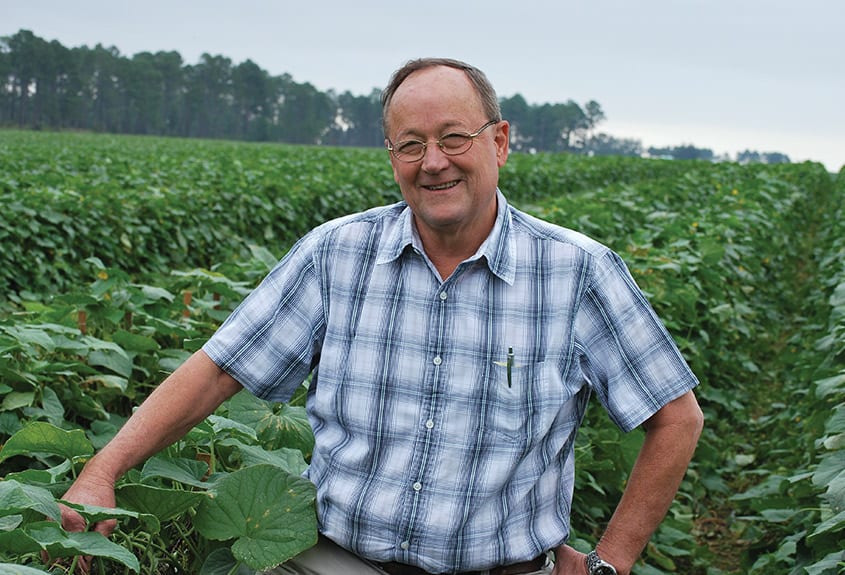
“We are blessed in this country to have an abundance of resources,” says Bill Brim, co-owner of Lewis Taylor Farms, a diversified transplant and vegetable farming operation in Tifton, Georgia. “We have plenty of land, water and sunshine — all critical ingredients for growing crops. But what we do not have plenty of is labor.”
Factors contributing to the escalating agricultural labor shortage crisis include a diminishing domestic workforce and legislation that makes hiring immigrant populations difficult. Unexpected global events, including the coronavirus pandemic, add more complexity to an already inefficient work visa process. Additionally, competition between industries for the same type of worker makes it difficult for farming jobs to stand out.
We have plenty of land, water and sunshine — all critical ingredients for growing crops. But what we do not have plenty of is labor.Bill Brim
Georgia Grower“The ability to compete with other companies in terms of hours of work, pay and benefits can pose a challenge for employers,” says Rob Russell, director of labor and workforce development at the University of Missouri Extension. “Within agriculture, there are times of the year when you have long hours, seven days a week, whereas other types of businesses don’t have the same demanding schedule.”
Without an influx of new workers, farmers depend on the H-2A program to help close the gap. However, they have long criticized the cumbersome program for its excessive costs, requirements, delays and bureaucracy. Legislation to address some of the program’s shortcomings is on the table, but most experts agree these reforms won’t be enough to resolve farming’s mounting labor shortage.
Exploring Efficiency
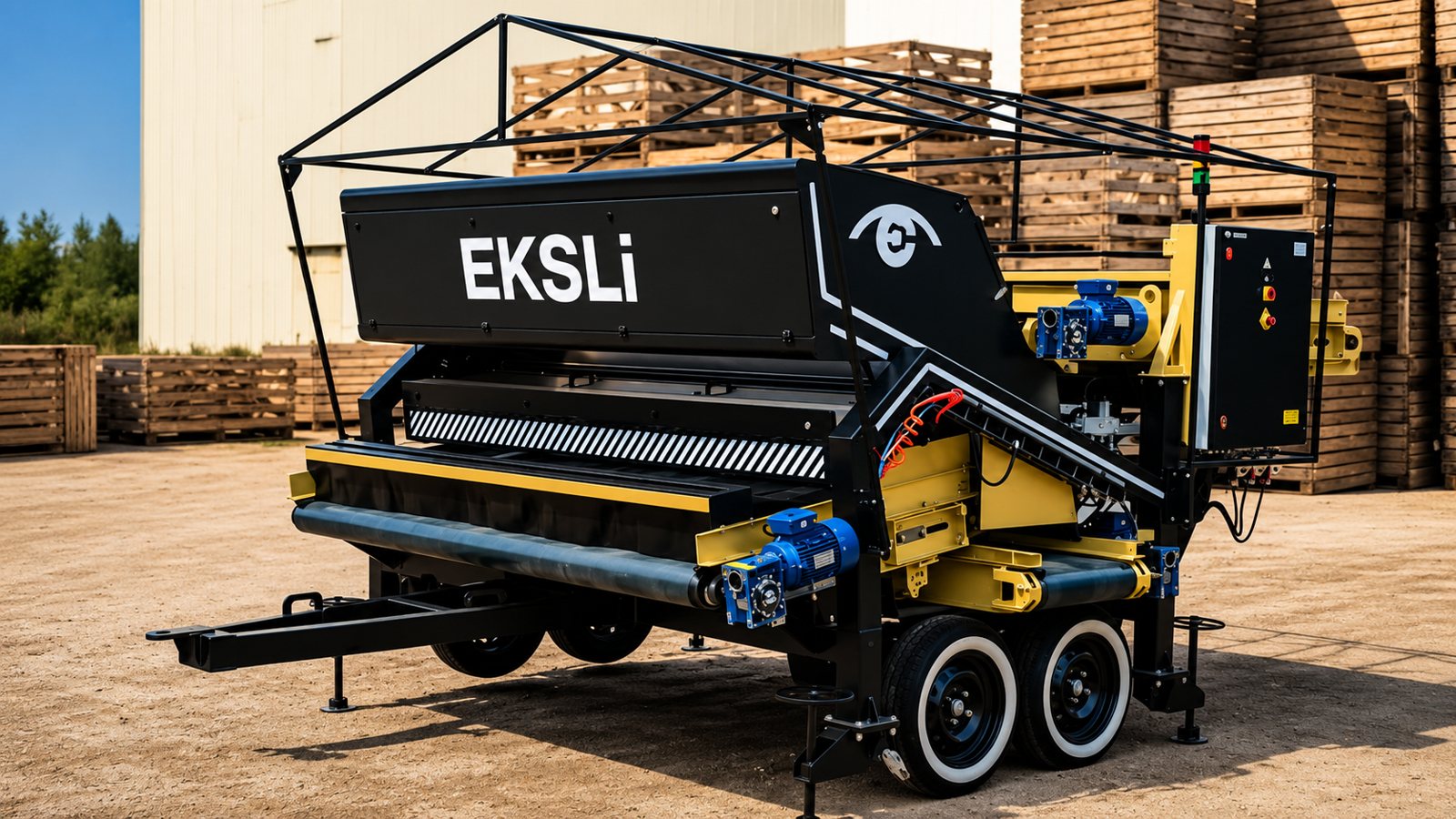
While no machine can replace the human touch needed for crops to flourish, new technologies are available to scale the existing workforce and ease the burden of labor shortages.
Brim, who grows watermelon transplants in more than 80 greenhouses, has embraced technology in certain areas of his operation. For example, he now uses updated machinery to seed his watermelons. “While our old technology required 21 people, we can now run it using six people,” he says.
As a result, he estimates his operation has saved about $700,000 per year in employee wages alone. “If we can implement a technology that requires 10 to 20 fewer employees, we’re all for it,” Brim says. “We challenge ourselves to make sure we’re evaluating powerful technologies coming down the pipeline by asking, ‘Is it possible to use for our specific operation, how can we use it, how much is it going to save us, how will we manage it, and what other problems will it alleviate?’”
Technology to the Rescue
The labor challenges that growers like Brim currently face require creative, new solutions, notes Greg Meyers, chief information and digital officer at Syngenta.
“What farmers really want are practical solutions to fit the real-world problems they face on a daily basis,” Meyers says. “Computer and data science have the potential to create the same sort of efficiencies for farmers that tractors did nearly 100 years ago. This time, however, instead of the technology just allowing farmers to plant, spray and harvest fields faster, it now allows them to vary the way they perform these operations to reflect different conditions — even within the same field — such as soil health and type, moisture, fertility, and pest pressure.
Digital imagery and scouting, for example, have the ability to give farmers high-resolution images of fields every two to three days. By using artificial intelligence, these digital technologies can accurately recognize field issues, including diseases and pests, reducing the need for manual field scouting by as much as 30%.
FarmShots™, part of the Syngenta AgriEdge® whole-farm management program, is a digital tool that uses satellite, aircraft and/or drone imagery to assess crop health, helping growers manage their fields more efficiently. “This imagery can locate crop damage caused by disease, pests and nutritional deficiencies before it’s too late,” says Jacky Davis, digital ag solutions marketing lead at Syngenta.
The recent COVID-19 pandemic has amplified the benefits virtual technologies can bring when physical interaction isn’t feasible. “If you’re running a farm, you’ve previously relied on a network of trusted advisers who would come out to your farm and walk it with you to discuss what’s going on,” Meyers says. “If you’re unable to meet with agronomists face to face or they can’t come out as frequently as you’re used to, then the next best thing is a set of virtual eyes via remote technology. Agronomists can get reports delivered directly to their inboxes with insight on drought or climate stress, disease pressure, and more.”
Putting Data to Work
Similarly, data management software, like the technology included in the Syngenta AgriEdge whole-farm management program, enables growers to analyze data of individual fields over time. This digital recordkeeping and analysis allow farmers to fully understand what’s happening on a per-field basis, answer the tough questions and measure overall potential profitability as part of next season’s planning.
Decisions still need to be made by the human workforce, but technology is improving the productivity of farmers and may help mitigate some of the effects of labor shortages nationwide.
“In order to grow, the industry must adapt and move forward under pressure,” Meyers says. “Fortunately, farmers are resilient. With the help of innovative new technology, the industry is primed to not only move forward in the face of labor shortages, but also blaze a trail for future generations.”