Sumi Potatoes: Korea’s Beloved Summer Staple – From Andean Roots to the Modern Table
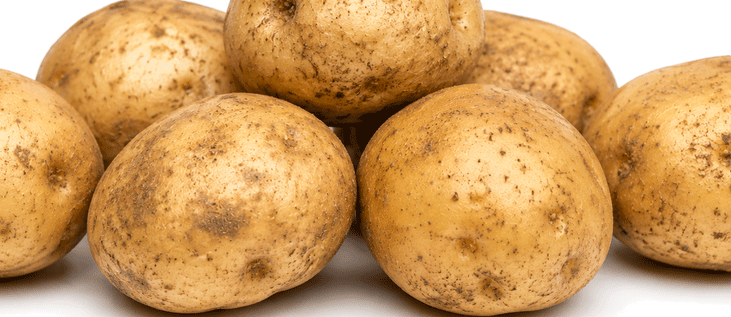
As summer arrives in Korea, so does the season’s most treasured ingredient – the freshly harvested Sumi potato. Harvested around the summer solstice in June, this variety accounts for nearly 70% of domestic potato cultivation and is prized for its uniquely fluffy texture and subtle sweetness. Unlike other varieties, Sumi offers remarkable versatility: it steams and boils to a soft, mealy consistency yet holds its shape well in stews, braised dishes, curries, and stir-fries. This balance of moisture and starch makes it a favorite in home kitchens, where it seamlessly adapts to a wide range of traditional recipes. While other cultivars like Dubaek (high-starch, ideal for purées and pancakes) exist, Sumi’s all-around performance and reliable yield have cemented its status as Korea’s “national vegetable.”
Beyond its culinary appeal, the Sumi potato packs a serious nutritional punch. Often called the “apple of the earth” in Europe, it consists of about 80% water, provides only 70–80 kcal per 100g, and is rich in dietary fiber, potassium, and – surprisingly – vitamin C. Thanks to starch encapsulation, much of its vitamin C survives cooking, making boiled or steamed potatoes a healthier choice than fried versions. Proper storage is key: keep them in a cool, dark, well-ventilated place to prevent greening and sprouting (which can produce solanine), and consider storing an apple nearby to slow sprouting. Whether enjoyed simply steamed, added to hearty stews, or reimagined in modern dishes like Swiss-style rösti or potato porridge, Sumi potatoes offer a wholesome, affordable way to savor summer’s best flavors while supporting balanced nutrition.