
State of the EU Potato Sector in 2023: Trends, Trade, and Future Prospects
Eurostat data reveals a significant decline in the EU's potato sector area over the past two decades. The report covers production trends, trade dynamics, and future outlooks, emphasizing the need for innovation and collaboration within the industry.
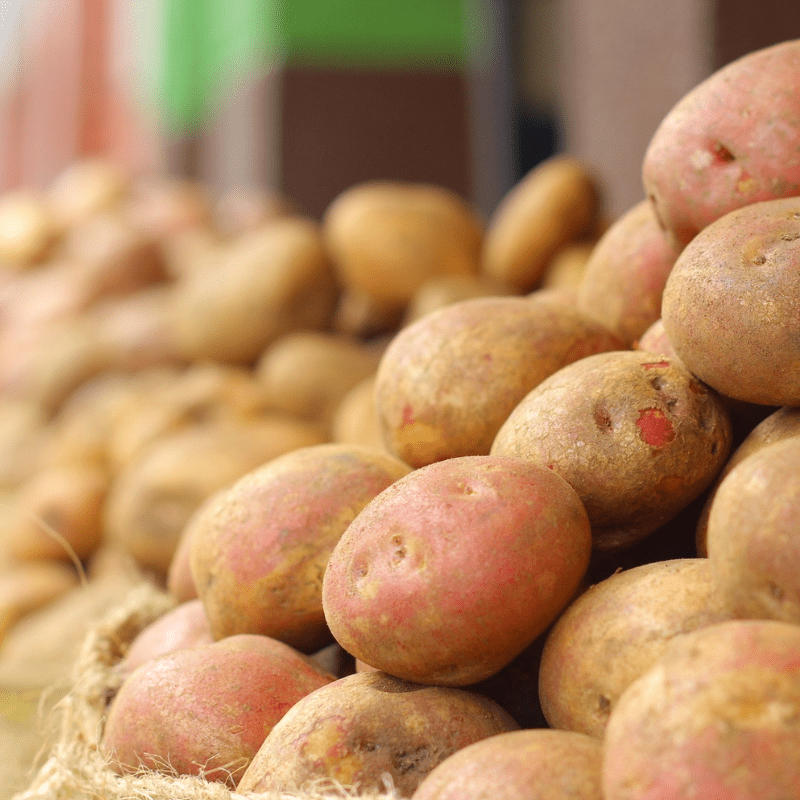
An overview of the EU potato industry’s performance, production trends, trade dynamics, and future challenges based on Eurostat data.
According to data from Eurostat, the European Union’s potato sector in 2023 has shown significant shifts in production, pricing, and trade patterns. This report highlights the current state of the sector, detailing the trends and challenges facing the industry.
Harvested Area and Main Producers:
In 2023, the total harvested area for potatoes in the EU stood at 1.3 million hectares, marking a dramatic decline of over 50% from the year 2000. This reduction is particularly evident in Poland, where the harvested area has decreased by an astounding 84.9% over the same period. Despite this contraction, Germany, France, and the Netherlands continue to be key players in potato production, collectively accounting for more than half of the total potato output in the EU.
Trade Dynamics:
The EU potato market remains vibrant, supported by strong intra-EU trade and substantial exports to non-EU countries. Intra-EU trade saw member states exchanging approximately 9.0 million tons of potatoes in 2023, valued at €3.0 billion. France, the Netherlands, and Germany emerged as the primary exporters within the EU, with the Netherlands holding a leading position in the seed potato market. Exports beyond the EU totaled 1.1 million tons, valued at €663.6 million. The Netherlands again played a crucial role, contributing significantly to both the value and volume of these shipments.
Weekdays. Unsubscribe in one click.
Future Prospects:
The EU potato sector faces both challenges and opportunities. The continuing decline in the harvested area presents a major concern, necessitating adaptation to shifting market demands. Emphasis on innovation in production techniques, processing methods, and marketing strategies will be essential to enhance competitiveness and sustainability. Collaborative efforts among EU member states and industry stakeholders will be crucial for overcoming these challenges and fostering the sector’s growth.
For more detailed information, the original data and additional insights are available on the Eurostat website.