Spain: Potato Crop Seen at 1.8 Million Tonnes, Down 7.7% on Drought
The Spanish potato association Asonal expects a national crop of about 1.8 million tonnes in 2026, with losses of 30 to 35% in Andalusia.
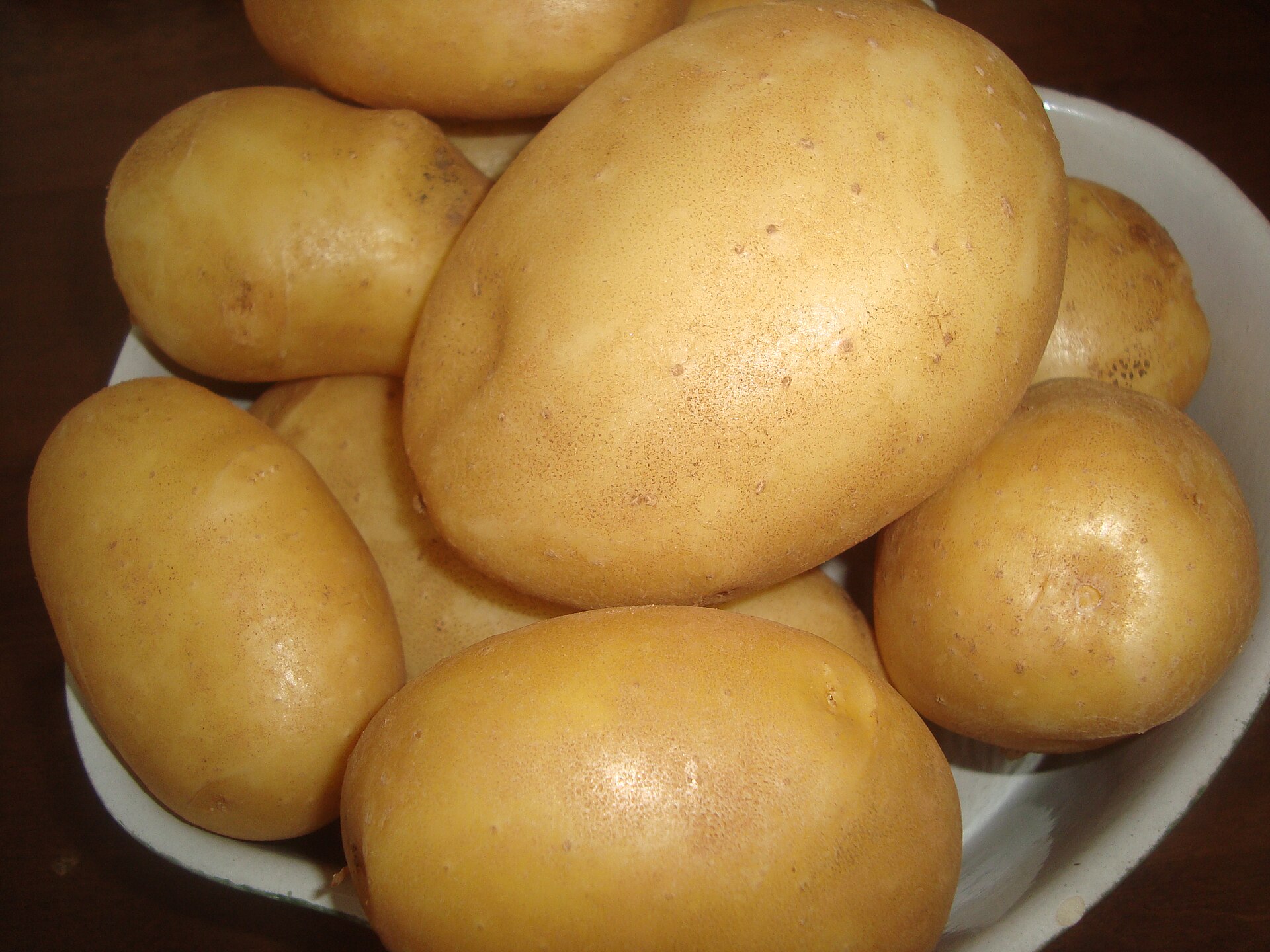
Spain expects a potato crop of about 1.8 million tonnes in 2026. That is 7.69% less than the 1.95 million tonnes estimated for 2025. The forecast comes from Asonal, the national association of fruit and potato producers and traders.
Asonal is part of FEPEX, the Spanish federation of fruit and vegetable exporters. The figures were reported by the news agency Europa Press on 24 September.
South hit hardest
The main cause is a lack of rainfall, Asonal said. The growing season was one of the shortest in recent years.
Weekdays. Unsubscribe in one click.
Andalusia, in the south, is the worst hit. The harvest there is estimated at 30% to 35% below last year. The region is a key area for early potatoes.
In the northern regions, losses are smaller. Production in Castilla y León, Galicia and the Basque Country is expected to fall by 10% to 15%.
The trade site FreshPlaza.es described the national fall as 8% to 10%. It also noted that drought hit not only Spain but also the main European producing countries.
New market bulletin
Asonal held its general assembly on 16 September. Yolanda Medina was named president. Alfonso Sáenz de Cámara became vice president. Luis Martín is secretary general.
The association plans to launch a sector market bulletin. It will track potato prices in Spanish and European markets. Asonal also wants better access to crop protection products, as regulatory restrictions grow.
Europe offers little relief
Spanish buyers usually look to other European producers when local supply is short. This year, France, Germany, Belgium and the Netherlands also report much smaller crops after drought and heat. Import supply is therefore likely to be tighter.
Why it matters
A smaller Spanish crop coincides with smaller harvests in France and other northern countries. Spanish packers and retailers may face higher purchase prices and fewer import options this winter. Local growers with good quality stock are in a stronger position to negotiate.
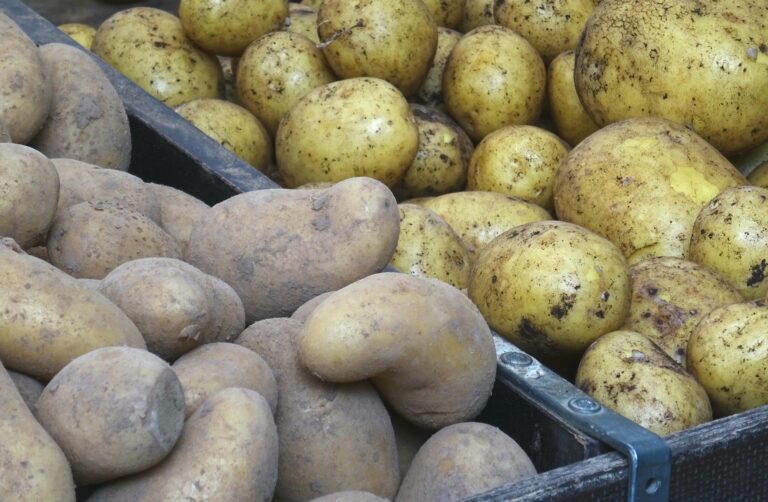
Photo: Freshly dug potatoes from a family farm in Spain (illustrative). Juan Emilio Prades Bel / Wikimedia Commons, CC BY-SA 4.0