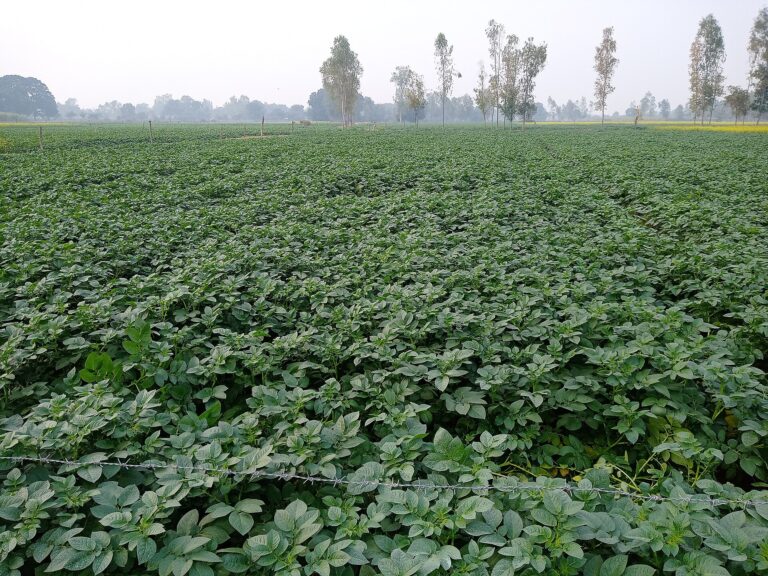
Siberian Science Goes National: Krasnoyarsk-Bred Potato Varieties Cultivated Across Russia and Beyond

Key takeaways
- “Akruks” and “Mira” bred in Krasnoyarsk
- Grown in the Irkutsk and Amur regions
- Trial plantings under way in Belarus
- Adapted to Siberian and Far Eastern climates
- Same centre developed six soybean varieties
Why it matters
- For farmers
- Varieties bred for the cold end of the range are a direct answer for regions where imported genetics underperform.
- For suppliers
- Trials in Belarus are the first step from regional breeding toward an exportable variety portfolio.
60-second summary
Potato varieties bred in Krasnoyarsk are now grown well beyond the region. Governor Mikhail Kotyukov said that “Akruks” and “Mira”, developed at Krasnoyarsk Agrarian University’s seed breeding and selection centre, are already cultivated in the Irkutsk and Amur regions, with trial plantings under way in Belarus. Both are adapted to harsh Siberian and Far Eastern conditions, and join six proprietary high-protein soybean varieties from the same centre. The article ties this to a longer record: Krasnoyarsk Krai has led Siberia in grain yields for years, which it attributes to close collaboration between farmers and researchers. Breeding plants that perform in extreme conditions strengthens local food security and offers something to other regions facing similar climates, while the testing in Belarus points toward wider cooperation.
Krasnoyarsk’s agricultural scientists have achieved a significant breakthrough, with their locally developed potato varieties now being cultivated far beyond the region’s borders. Governor Mikhail Kotyukov recently announced that the varieties “Akruks” and “Mira,” bred at the Krasnoyarsk Agrarian University’s seed breeding and selection center, are already grown in the Irkutsk and Amur regions, while trial plantings are underway in Belarus. These varieties are specifically adapted to harsh Siberian and Far Eastern climates, joining six proprietary soybean varieties high in protein that were also developed at the center. The success underscores a broader trend: Krasnoyarsk Krai has led Siberia in grain yields for years, a feat attributed to close collaboration between farmers and researchers.
The expansion of these hardy crops highlights how homegrown science is strengthening Russia’s agricultural resilience. By creating plants that thrive in extreme conditions, Krasnoyarsk’s specialists are not only boosting local food security but also offering solutions to other regions facing similar climatic challenges. As Governor Kotyukov noted, this is a vivid example of science driving practical progress, with the region’s sustained leadership in grain production serving as proof of the model’s effectiveness. The overseas testing in Belarus further hints at the potential for international cooperation, positioning Krasnoyarsk as a rising hub for cold-climate crop innovation.
Global Potato Brief
Top five stories, prices, disease alerts and events. Weekday mornings, no advertising.
Sources
- Governor Mikhail Kotyukov — cited in the article
Linked in this material
- Country
- Russia
- Sections
- Growing seedsNews
Related stories
Russia Accelerates Development and Certification of New Domestic Potato Varieties in 2026
Russian Potato Breeders Validate 11 Domestic Varieties in Moscow Region Greenhouse Trial