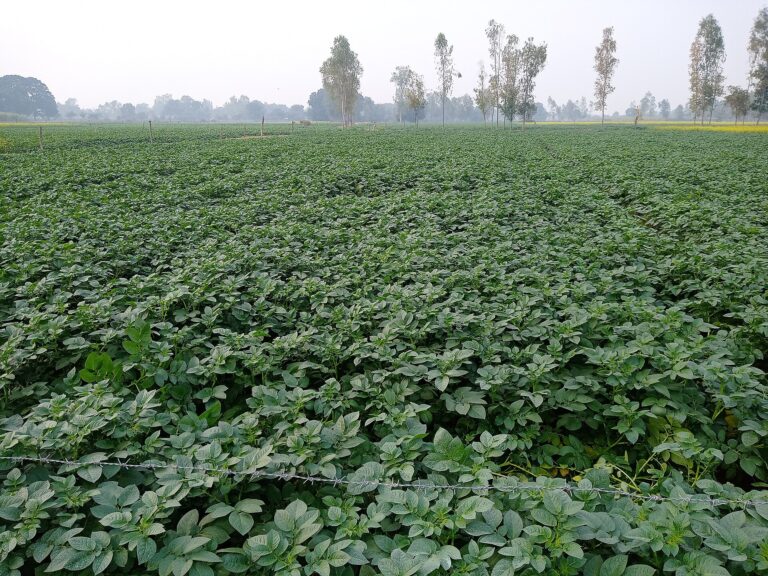
Seed Potato Variety Dispute Erupts in South Korea as Farmers Face Legal Action Over Unauthorized Propagation

Key takeaways
- Cease-and-desist notices sent to Gimje growers
- ‘Arang’ variety rights registered in January
- Re-planting own harvest now counts as infringement
- Private varieties are 48%+ of greenhouse area
- State-bred ‘Sumi’ has fallen below 5%
Why it matters
- For farmers
- Certified seed must now be bought every season — including for what growers previously kept back for their own use.
- For suppliers
- Private varieties taking 48% of greenhouse area is what makes variety rights enforceable at scale here.
60-second summary
A legal dispute has opened in Gimje, where potato growers received cease-and-desist notices from the seed company Green Seed for allegedly infringing plant variety protection rights on its ‘Arang’ variety. One grower, Mr Baek, who has cultivated Arang for three to four years, acknowledged re-planting part of his own harvest to make up for insufficient seed supply — common practice among farmers. The company registered its variety protection rights in January, which makes such self-propagation illegal under the Plant New Variety Protection Act; unaware of the registration, Baek faced potential civil and criminal penalties, which the article puts at up to seven years’ imprisonment or fines up to 100 million KRW. Green Seed has agreed to drop action in exchange for written pledges. In Gimje, privately bred varieties such as Arang now account for over 48% of greenhouse potato area against under 5% for the once-dominant state-bred ‘Sumi’.
A legal controversy is unfolding in Gimje, South Korea, where local potato farmers have been served cease-and-desist notices by Green Seed, a specialized seed company, for allegedly infringing on the plant variety protection rights of its proprietary ‘Arang’ potato variety. One farmer, Mr. Baek, who has cultivated Arang for 3–4 years, admitted to re-planting a portion of his harvested potatoes to compensate for insufficient seed supply—a common practice among farmers. However, the company officially registered its variety protection rights in January, making such self-propagation illegal under the Plant New Variety Protection Act. Unaware of the registration and the legal implications, Mr. Baek now faces potential civil and criminal penalties, including up to 7 years in prison or fines of up to 100 million KRW.
The incident has highlighted a growing disconnect between traditional farming practices and modern intellectual property laws. While Green Seed has agreed to drop legal action against the affected farmers in exchange for written pledges not to repeat the offense, experts warn that similar disputes are likely to rise. In Gimje, over 48% of greenhouse potato cultivation now uses privately bred varieties like Arang, compared to less than 5% for the once-dominant state-bred ‘Sumi’ strain. Officials from the local agricultural technology center are actively issuing guidelines to prevent unintentional violations, emphasizing that farmers must purchase certified seeds each season and refrain from any form of unauthorized multiplication, even for personal use.
Global Potato Brief
Top five stories, prices, disease alerts and events. Weekday mornings, no advertising.
Sources
- Statements from the affected grower, Green Seed and the local agricultural technology center — cited in the article
Linked in this material
- Country
- South Korea
- Companies
- Green Seed
- Sections
- Growing seedsNewsSeeds
Related stories
Russia Accelerates Development and Certification of New Domestic Potato Varieties in 2026
Russian Potato Breeders Validate 11 Domestic Varieties in Moscow Region Greenhouse Trial