Russia’s Mandatory E-Waybills: What Changes for Potato Growers Since 1 September 2026
Key takeaways
- 1 September 2026: e-waybills became mandatory by law
- Federal Law 140-FZ, signed 7 June 2025, sets rules
- 1 March 2027 ends the grace period for road checks
- 4 accredited operators handle the new e-TN filings
Why it matters
- For farmers
- Sign with an accredited e-TN operator and train drivers now, before the March 2027 grace period ends and missing paperwork starts costing real fines, not warnings.
- For traders
- Build e-TN into contracts with hired carriers for seed and table potato shipments; a documentation gap can now stall a truck mid-route during peak season.
60-second summary
Russia's Federal Law No. 140-FZ, signed 7 June 2025, made electronic transport waybills (e-TN) mandatory for commercial road freight from 1 September 2026, replacing the paper waybill as the primary shipping document. The requirement covers every link in the chain: shippers, carriers, forwarders and consignees, including farms sending seed and table potatoes by hired transport and agri-logistics firms handling time-sensitive deliveries. Documents are generated through accredited operators, among them Kontur, Taskom, Tensor and Kaluga Astral, with data flowing into the state GIS EPD system and visible to the Federal Tax Service, traffic police and Rostransnadzor. A handful of exemptions remain, covering military cargo, foreign carriers without a Russian branch, EAEU cabotage, same-party shipments and precious metals, none of which cover ordinary agricultural freight. Until 1 March 2027, missing e-TN at roadside checks draws only a verbal warning; penalties begin after that date.
Since 1 September 2026, Federal Law No. 140-FZ of 7 June 2025 has required participants in commercial road freight in Russia to issue transport documents electronically. The new rules also apply to farms sending seed and table potatoes by hired transport, and the transition to digital paperwork is proving uneven — creating a real risk of delays right in the middle of the shipping season.
What has changed
The paper transport waybill is no longer the primary document for commercial freight carried by hired transport. It is replaced by an electronic transport waybill (e-TN), along with electronic order-requests and, for the relevant modes, electronic air and rail waybills.
Who is affected
The requirement covers every participant in commercial road freight: shippers, carriers, forwarders and consignees. That includes agricultural producers sending potatoes and vegetables by hired transport, as well as agri-logistics companies — including those hauling seed potatoes, where delivery timing is especially critical.
Weekdays. Unsubscribe in one click.
How it works
Electronic documents are generated through accredited electronic document management (EDM) operators — among them Kontur, Taskom, Tensor and Kaluga Astral. The data flows into the state information system for electronic transport documents (GIS EPD) and becomes accessible to the Federal Tax Service, traffic police and Rostransnadzor.
Exceptions
Paper format is still permitted for military cargo, for foreign companies with no registered branch in Russia, for cabotage carriage by foreign carriers from EAEU countries, for cases where the sender and consignee are the same party, and for the transport of precious metals and stones. None of these exceptions apply to the main flow of agricultural freight.
Transition period
Until 1 March 2027, roadside checks that find a missing e-TN result only in a verbal warning — time given to businesses to set up processes and train staff. After that date, administrative liability applies for failing to follow the new documentation procedure.
Why it matters
For operations handling seasonal, perishable cargo — seed and table potatoes — a paperwork failure is not just red tape; it is a real risk of trucks sitting idle and delivery windows slipping during the busiest weeks of the year. The grace period running to March 2027 is the time to sign with an accredited EDM operator, train logistics staff and drivers on the new interface, and test the process on a few runs before it has to work under real pressure during the harvest and planting logistics windows.
The topic was raised by practitioners in the MAX messenger chat «КАРТОФЕЛЬ И Т.Д. (Potato etc.)», a community of more than 1,100 potato growers and industry specialists. Participants are not named. Join the discussion.
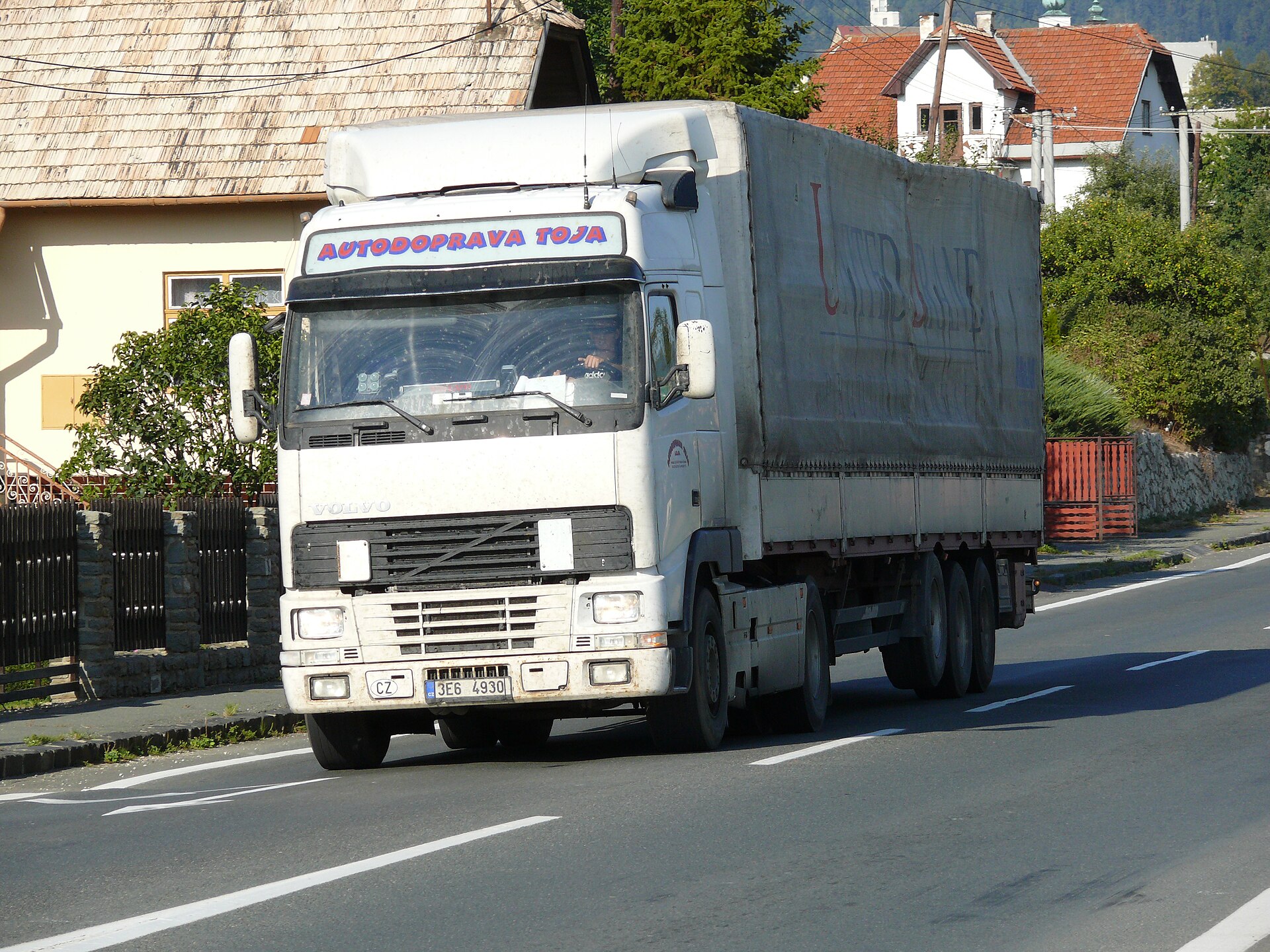
Photo: cargo truck (illustrative). Oto Zapletal / Wikimedia Commons, CC BY-SA 4.0 (file, license)
Global Potato Brief
Top five stories, prices, disease alerts and events. Weekday mornings, no advertising.
Sources
- MAX chat «КАРТОФЕЛЬ И Т.Д. (Potato etc.)» — https://max.ru/join/SViX6IyOKuJHB6-xuuepbMbts_zk4eiEYdXUpUWVu28
- Smolensk Region Department of Agriculture: mandatory transition to e-waybills from 1 September 2026 — https://selhoz.admin-smolensk.ru/news/obyazatelnyj-perehod-na-elektronnye-transportnye-nakladnye-etrn-s-1-sentyabrya-2026-goda/
- Astral: e-TN from 1 September 2026 — https://astral.ru/products/1c-epd/elektronnye-tovarno-transportnye-nakladnye-v-edo/
- Kontur.Logistika: transition to electronic transport waybills in 2026 — https://kontur.ru/logistika/spravka/22576-elektronnye_transportnye_nakladnye
Linked in this material
Related stories
Netherlands: Avebe Starch Potatoes Reportedly Sold to German and Belgian Processors as Raw Material Tightens
US: Rain Curtails Idaho Potato Harvest as Shipping-Point Prices Hold Steady