

15 Sep 2026 Global Potato Industry General partnerAVGUST
The Global Potato Industry
Russia·Soil·News

Russian Scientists Trial Novel Soil Conditioner from Wood Industry Waste to Combat Soil Acidity
2 min read Updated
Russian Scientists Trial Novel Soil Conditioner from Wood Industry Waste to Combat Soil Acidity

Key takeaways

  • Field trials of a soil ameliorant from timber waste
  • 86% of Komi soils require deacidification
  • Made from bark, sawdust and processing by-products
  • Lab tests show better water retention
  • Trials compare application rates and crops

Why it matters

For farmers
Acidity correction is the precondition for yield on these soils, and a locally made ameliorant from timber waste would cut both the cost and the dependence on imported amendments.

60-second summary

The Institute of Agrobiotechnologies at the Komi Science Centre has started field trials of a soil ameliorant made entirely from secondary resources of the local timber industry. The target is a regional bottleneck: 86% of soils in the Komi Republic need deacidification. The formulation repurposes bark, sawdust and other wood-processing by-products — usually discarded or burned — into an agent that corrects pH while adding organic matter, and early laboratory work also points to better water retention and microbial activity than lime-based treatment gives. The trials run on dedicated plots, testing application rates and crops under real conditions, with early observations reporting visible gains in soil structure and plant vigour against untreated controls.

86%share of Komi soils requiring deacidification
General partner
General partnerCrop protection for the potato industry

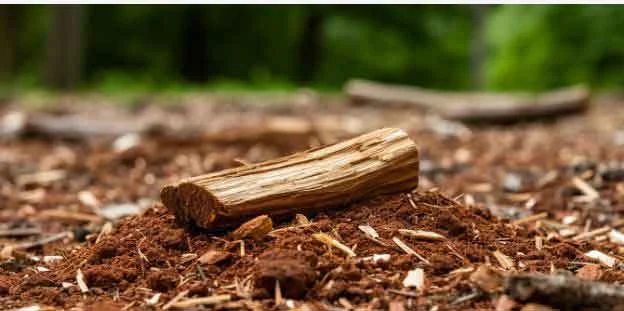
Researchers at the Institute of Agrobiotechnologies of the Komi Science Centre have launched field trials of a new soil ameliorant (a conditioner designed to reduce acidity) derived entirely from secondary resources of the local timber industry. With 86% of soils in the Komi Republic requiring deacidification, the innovation targets a critical agricultural bottleneck in the region. The experimental formulation repurposes bark, sawdust, and other wood-processing by-products—materials typically discarded or burned—into a functional agent that neutralizes pH imbalances while improving organic matter content. Early laboratory tests suggest the ameliorant not only corrects acidity but also enhances water retention and microbial activity, offering a dual benefit over traditional lime-based treatments.

The ongoing field trials, conducted on dedicated experimental plots, are assessing the ameliorant’s performance across different application rates and crop types under real climatic conditions. Initial observations indicate visible improvements in soil structure and early plant vigour compared to untreated controls. If successful, the technology could provide a cost-effective, circular-economy solution for the region’s farmers, reducing dependency on imported chemical amendments and cutting waste from the forestry sector. The project underscores a growing trend in sustainable agriculture—turning industrial by-products into high-value inputs—and may pave the way for similar approaches in other boreal regions facing acidic soil challenges.
5 / 100 SEO Score

Global Potato Brief

Top five stories, prices, disease alerts and events. Weekday mornings, no advertising.

What next

Trials are assessing performance across application rates and crop types; results so far are early observations rather than final findings.

Linked in this material

Country
Russia
Sections
SoilNews
Advertisement
A5 · 970 × 90Available — book this placement