Russia: Komi Potato Harvest at 27% of Plan as Regional Pace Diverges
Regional data show uneven potato harvest progress in Russia: Komi has collected 27.2% of its planned volume, Chelyabinsk has lifted 37% of its area.
The potato harvest in Russia is moving at very different speeds across regions. Northern and Ural regions report slow progress, while some Siberian farms are well advanced.
Komi lags behind last year
In the Komi Republic, farms in nine districts had harvested 108.9 hectares by 22 September. This is 36.1% of the planned area.
The gross harvest reached 1,281 tonnes, or 27.2% of the planned volume. The data come from the regional outlet BNK, republished by the Potato Union on 25 September.
Weekdays. Unsubscribe in one click.
A year earlier on the same date, Komi farms had harvested 124 hectares, or 43.3% of the plan. They had collected 1,676.3 tonnes, or 40% of the planned volume.
Local scientists have bred three varieties adapted to Komi conditions. However, farmers still buy most seed from other regions.
Chelyabinsk ahead of last year
In Chelyabinsk region, farms had harvested potatoes on 37% of the area by 21 September. The average yield was 213 centners per hectare, or 21.3 tonnes per hectare, according to AiF Chelyabinsk.
The regional report said farmers were ahead of last year’s pace overall.
Tyumen reports high yields
In Tyumen region, farms had collected 77,700 tonnes from 2,330 hectares by 11 September. The average yield was 333 centners per hectare, according to the regional agriculture department.
The season there included extreme heat, heavy rain and record floods.
In neighbouring Sverdlovsk region, excess rain left soils waterlogged for 23 to 33 days in some districts, according to Yamal-Media.
National picture
Russia expects about 8 million tonnes of potatoes from commercial farms in 2026. That is about 6% less than the 8.5 million tonnes of 2025.
Alexey Krasilnikov of the Potato Union said the volume will be enough for the domestic market.
Why it matters
National totals hide large regional differences. Slow harvesting in wet northern regions raises the risk of losses before frost. Waterlogged tubers also store poorly. Buyers in the Urals and the North may need more supply from central Russia. High yields in Tyumen show that good management can offset a difficult season.
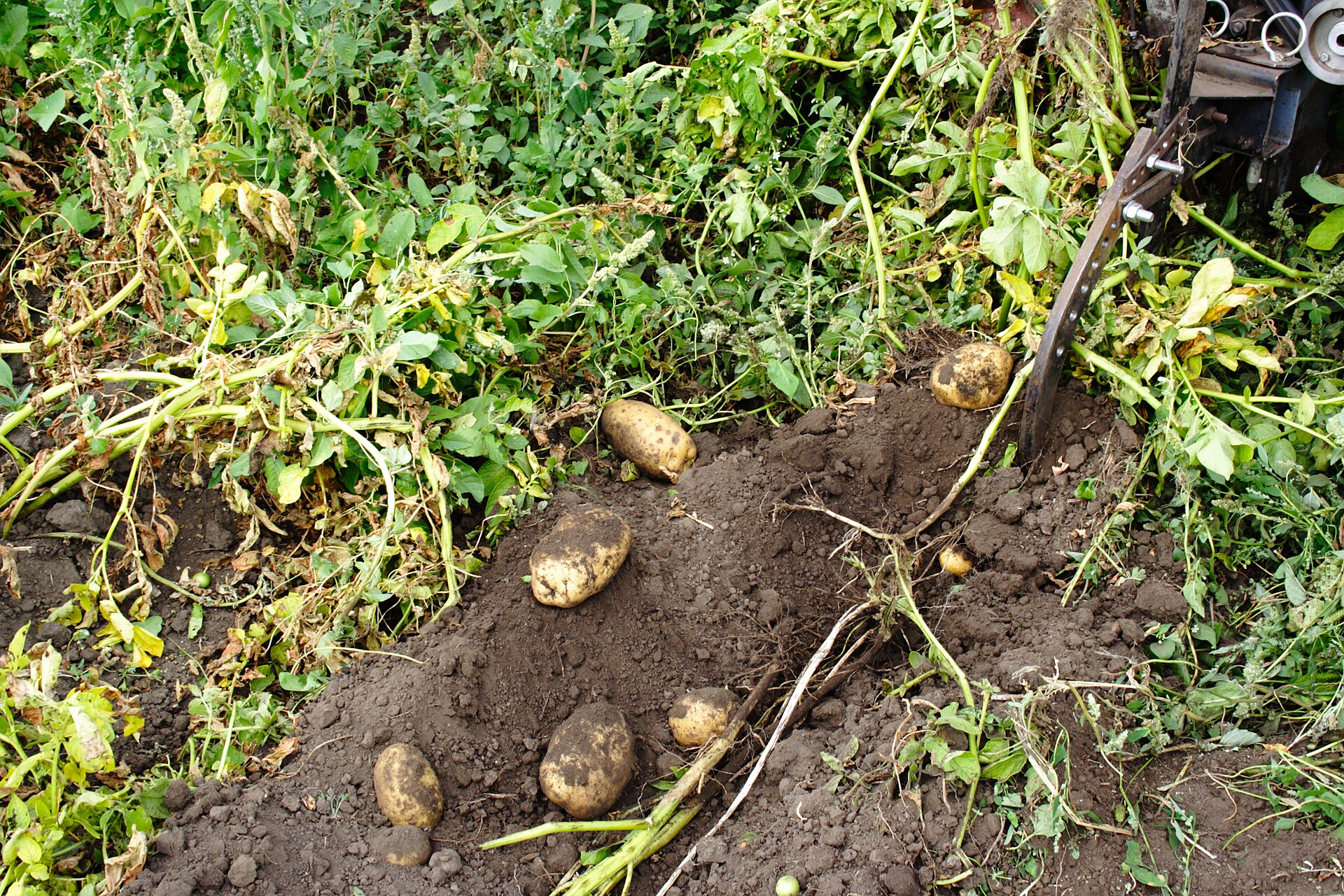
Photo: Potato lifting with a small tiller in Russia (illustrative). Игоревич / Wikimedia Commons, Public domain