---
On 11 October at 09:30, a processor posted in the MAX industry chat for commercial potato growers, calling for long-term supplies of quality potatoes. The author listed product requirements and promised convenient logistics; neither the company nor purchasing prices were named in the post.
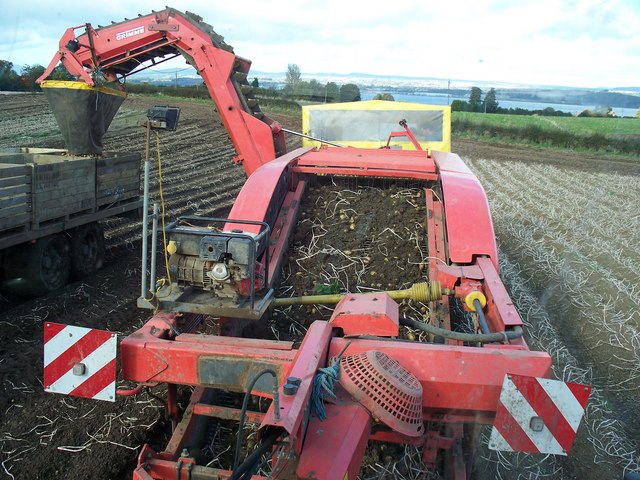
The timing is telling. That same morning, participants in the same chat were reporting the completion of harvest: Vyacheslav Mansurov wrote “Hooray, the last one”—although the farm had not yet started the plot with a stated yield of 900 centners/ha—while Anton Chebotnikov “decided not to wait” and closed the season. These days, the open market's available raw material is literally disappearing into storage piles: according to a potatoway survey, 21 of 26 farms put more than half their harvest into storage.
What usually lies behind such a request
The post follows the standard format for processing procurement. Typical industry raw-material requirements include stable dry-matter content—the main parameter for chips and starch—specified sizing, no rot, cuts or heavy muddy coating, and consistent volumes: the plant needs a regular flow of batches rather than a one-off truckload. A promise of “convenient logistics” most often means transport arranged by the buyer or scheduled collection by the processor's trucks.
For a farm that has just completed harvest, this arrangement has a direct economic rationale. Part of the volume can be contracted for the winter months on agreed terms, instead of carrying it through spring with storage risks and a volatile market—recent retail observations show prices ranging from 27.95 to 46 ₽/kg across cities. For processors, a long-term contract in the off-season is a way to avoid leaving a line without raw material in February–March, when uncommitted potatoes are almost unavailable on the market.
What is still unknown
The post does not disclose the key details: the buyer, volumes, pricing formula or supply geography. In line with editorial policy, we are reporting the substance of the request as a market signal and seeking details through the chat; if the processor responds, the article will be updated with specific purchasing terms.
The signal itself matters: processors approaching farms directly at a time when raw material is going into storage indicate that chip and starch manufacturers lack stocks from the previous year or are increasing capacity utilisation. The gap between those who harvested late and those who need a steady flow is a subject the editorial team will revisit as details emerge.
Sources: processor's post in the “POTATOES, ETC.” MAX chat, 11.10.2026, 09:30 · evening discussion summary, svodka-evening-2026-10-11.md · potatoway survey, 21 of 26 farms store more than half their harvest · potatoway.ru retail-price observations, 12.10.2026.