Potatoes USA hosts seed potato reverse trade mission for delegations from seven countries
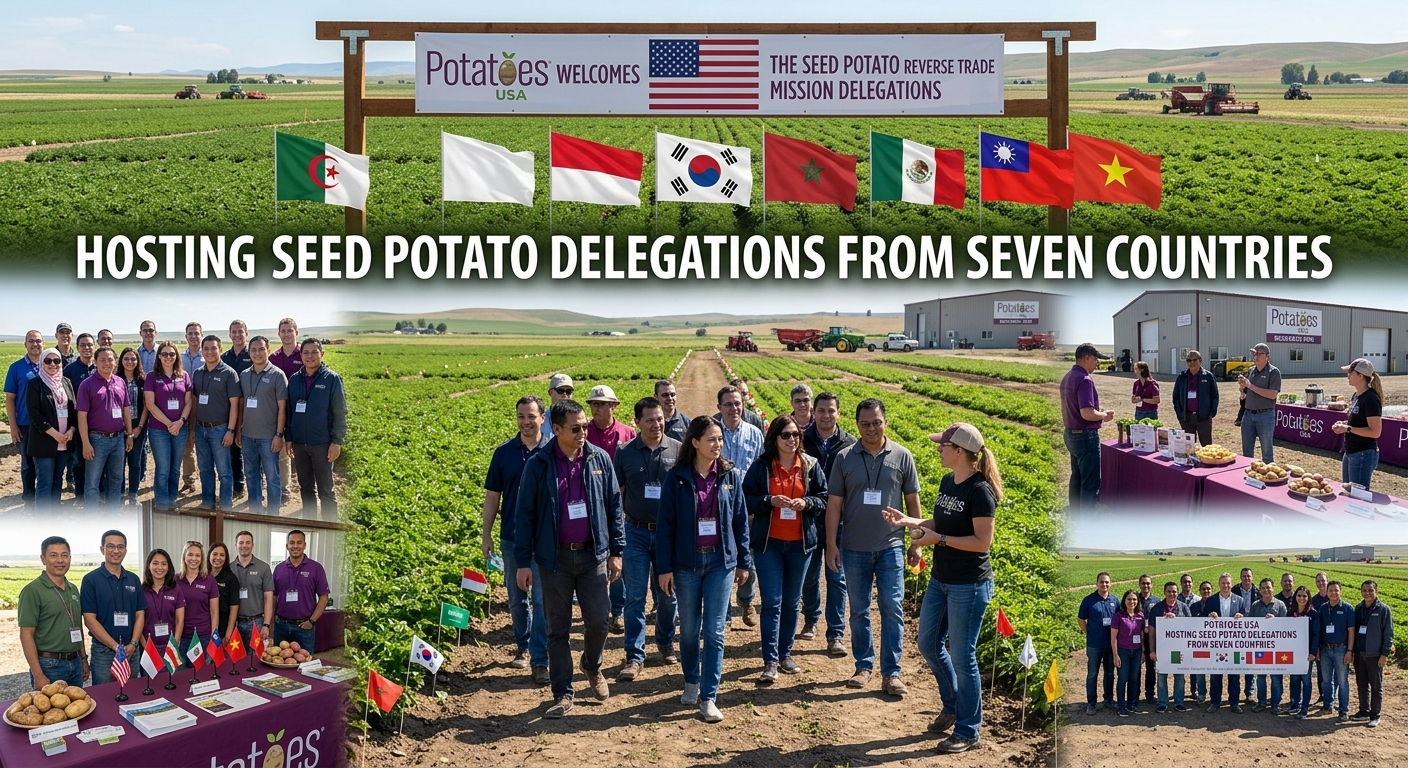
Potatoes USA brought seed buyers, growers and government plant-health officials from seven countries to the United States in August 2026 for a reverse trade mission focused on seed potato production and certification.
The delegations came from Namibia, Zambia and Senegal in Africa; the Dominican Republic in the Caribbean; Honduras and Nicaragua in Central America; and Uruguay in South America.The week opened with a one-day seed symposium in Denver. Variety owners — the universities and seed companies that hold intellectual property rights to the material they developed — presented varieties matched to each participating market, while the visiting delegates outlined production conditions in their own countries. The group then split into two tours, one to Idaho and one to North Carolina, covering seed production operations, state seed certification programmes, university research and experiment stations, and working seed farms. potatoesusapotatoesusa
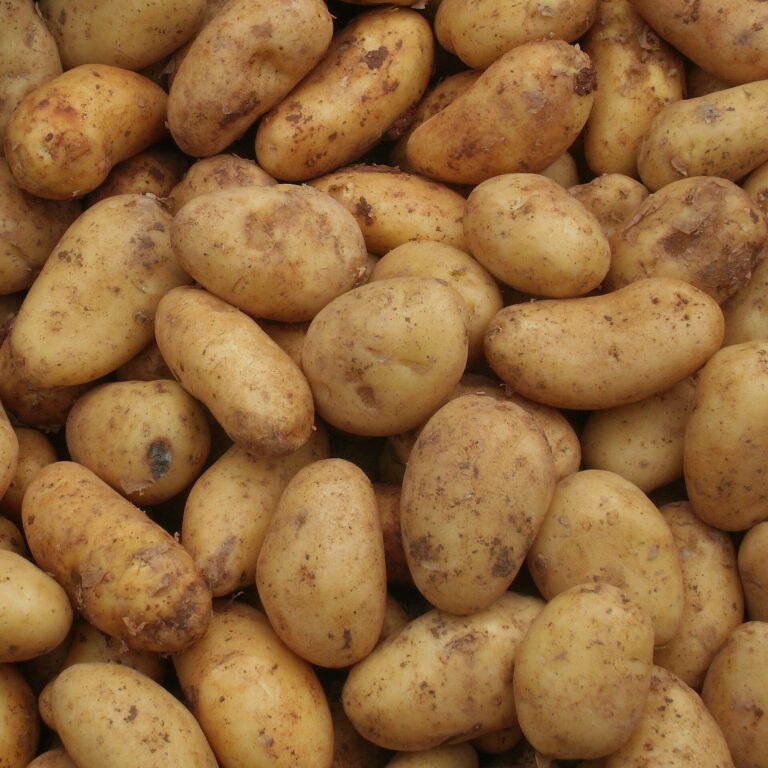
In Idaho the delegation visited a fingerling packing facility, among other stops. potatoesusa
Weekdays. Unsubscribe in one click.
The U.S. pitch
Tim Rendall, Director of Production Research at Potatoes USA, set out four arguments for U.S. seed: quality, breadth of varieties, transparent certification standards and delivery timing. “It’s a variety match and a timing match,” he said, adding that U.S. growers can produce the right material for the window a given market needs.The timing argument rests on geography. In Central America, proximity lets U.S. suppliers move varieties to buyers considerably faster than European exporters, who currently hold significant share in the region. African markets are being assessed against projected population growth over the coming decades. potatoesusapotatoesusa
Rendall framed the wider picture as a globalising, increasingly competitive seed trade in which U.S. growers have room to take share — a challenge and an opportunity at once.The Seed Export Program works through in-country variety trials, field demonstrations and direct engagement with international buyers. potatoesusapotatoesusa
The sequence is standardised: registration trials in the destination country — in many markets a variety cannot be sold commercially until it is officially registered — followed by initial commercial orders, then expanded volumes and repeat annual purchases. potatoesusa
What it means in practice
The mission is a stage in a sales funnel rather than a courtesy visit. Both tour routes were built around certification systems, which is the point: what is being sold is traceability and phytosanitary status, not genetics alone. For a buyer in a destination market, the practical constraint on switching seed origin is not price but the registration timetable — several years in the stricter jurisdictions.
For European seed producers the signal is more direct. The United States is working systematically on markets traditionally supplied from the Netherlands, France and Germany, and is leaning on logistics rather than breeding to do it. In Central America the argument has already produced results: U.S. seed potato exports to the region rose 61% between July 2024 and March 2025, and Panama, Nicaragua and Uruguay all resumed purchases for the first time since the pandemic. In Uruguay the trigger was production difficulty in France — the country moved to U.S.-grown Red Magic in place of the French-sourced variety, and continues to show demand for new red-skinned material and for Chieftain.