Potato retail price in Belém falls 6.25% in September but remains up 39.4% since January
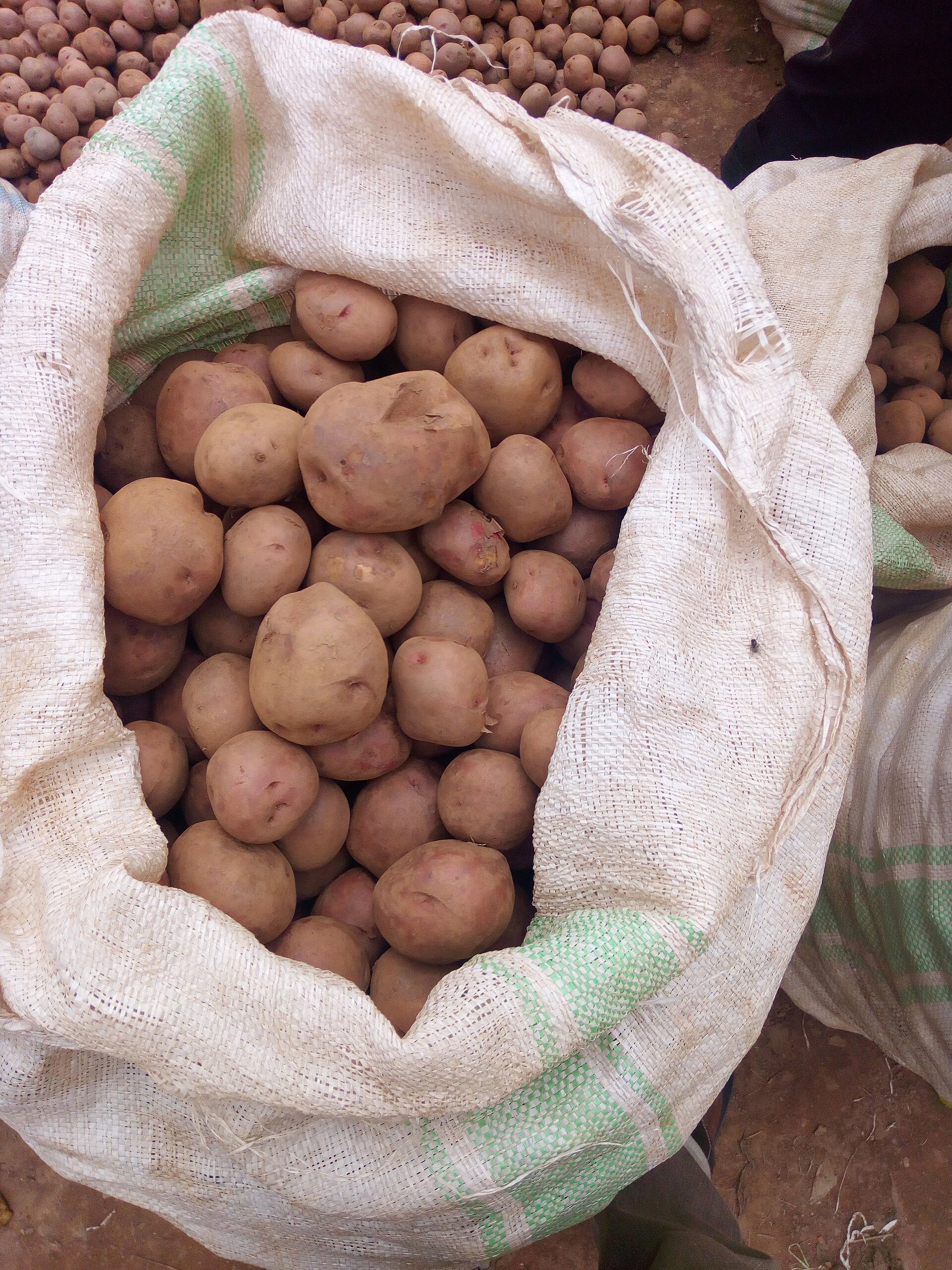
Retail potato prices in Belém, capital of Brazil’s Pará state, fell 6.25 per cent in September — from R$9.28 to R$8.70 per kilogram — according to Dieese/PA. Yet the drop does not offset accumulated increases: potatoes are 39.42 per cent more expensive than at the start of 2026 and 49.23 per cent above September 2025.
The price of potatoes fell by 6.25 per cent during September in shops and open-air markets of Belém, capital of the Brazilian state of Pará, according to a survey by Dieese/PA, Argenpapa reports. The average value dropped from R$9.28 to R$8.70 per kilogram. Despite the monthly reduction, potatoes still accumulate an increase of 39.42 per cent since the beginning of 2026.
The potato posted the second-largest decline among the 24 fruit and vegetable products surveyed in supermarkets and free markets of Belém. Green peppers led the falls with a 7.8 per cent decrease, while carrots dropped 4.76 per cent. In total, 16 of the 24 products analysed registered prices below those of August.
Weekdays. Unsubscribe in one click.
September’s drop was not enough to compensate for the increases accumulated during 2026. The potato has become 39.42 per cent more expensive since January and ranks among the products with the largest rises of the period. Onions led the accumulated increases with 60.76 per cent, followed by carrots with 45.09 per cent, potatoes with 39.42 per cent, beetroot with 35.71 per cent and cabbage with 35.43 per cent.
Compared with September 2025, the price of potatoes rose 49.23 per cent. This variation widely exceeded the general inflation accumulated over the last twelve months in Belém, estimated by Dieese/PA at 4.22 per cent. Among the products with the largest year-on-year increases were also onions, with 64.07 per cent, carrots with 50.17 per cent and cabbage with 42.26 per cent.
Dieese/PA noted that the reduction observed during September could be related to a regularisation of supply and to better production and supply conditions. Belém depends heavily on merchandise from other states for its supply of potatoes, onions, carrots and beetroot. For that reason, production changes, heavy rains and transport costs have a significant impact on the prices paid by consumers — a structural vulnerability for a city at the mouth of the Amazon, thousands of kilometres from the main producing regions of southern and south-eastern Brazil.
Values can also show significant differences between free markets, municipal markets and supermarkets, so the agency recommended comparing prices before shopping.
The Belém figures put a local face on the national story of an expensive Brazilian potato year. A near-50 per cent annual increase in a staple — against general inflation of 4.22 per cent — squeezes household food budgets precisely among lower-income consumers for whom potatoes are a daily calorie source. Whether September’s supply normalisation extends into the final quarter will depend on harvest progress in the producing states and on the freight costs that link them to the Amazon delta.
September’s correction also offers a clue about the mechanics of the year’s surge: when supply lines from the producing states normalise, retail prices respond within weeks. The problem for consumers is that such windows of relief have been short in 2026 — each disruption, from heavy rains to freight bottlenecks, has fed directly back into shelf prices in the northern cities that sit at the end of Brazil’s longest supply chains.