Portugal: Potato Area Down 87% Since 1961 as 2026 Plantings Fall to 14,470 ha
Portugal grew potatoes on about 108,000 ha in 1961. Eurostat now shows 14,470 ha for 2026, and the country covered only 58% of its own needs in 2018.
Portugal now grows potatoes on a small fraction of the land it used six decades ago. FAOSTAT data, published by Our World in Data, show a harvest of 1.06 million tonnes in 1961 at a yield of 9.8 t/ha. This means an area of about 108,000 ha. The crop peaked at 1.58 million tonnes in 1992.
By 2024 the harvest was 357,550 tonnes. Eurostat gives an area of 16,460 ha for that year and a yield of 21.7 t/ha. For 2025 Eurostat shows 355,790 tonnes on 17,210 ha. For 2026 the area is 14,470 ha, which is 16% less than in 2025 and 87% less than in 1961.
A market that depends on imports
Portugal does not grow enough potatoes for its own needs. A fact sheet from the Planning and Policy Office of the Agriculture Ministry (GPP), published in 2019, gives these figures for 2018:
Weekdays. Unsubscribe in one click.
- production: 431,686 tonnes on 20,800 ha
- imports: 337,692 tonnes
- apparent consumption: 739,790 tonnes
- self-sufficiency rate: 58.4%
According to the same fact sheet, Spain supplied 56.9% of Portugal’s potato imports and France 11.0% in 2017–2018. Most of the crop is irrigated: 17,832 of the 20,800 ha in 2018, or about 86%.
Yields improved, area did not
Yields more than doubled over six decades, from 9.8 t/ha in 1961 to 21.7 t/ha in 2024. But yields are still well below those of Northern Europe. Eurostat data for 2025 show about 20.7 t/ha in Portugal, compared with 38.6 t/ha in Sweden.
The area fell fastest after 1992. FAOSTAT data point to about 57,000 ha in 2000 and about 25,500 ha in 2010. From 2015 to 2025 the area moved between 14,480 ha and 24,620 ha, according to Eurostat.
Why it matters
With 14,470 ha in 2026, Portugal’s potato sector is now smaller than that of many single regions in Northern Europe. Domestic production covers little more than half of consumption, based on the latest published balance.
This makes Portugal a steady outlet for Spanish and French potatoes. For local growers, the question is whether they can win back shelf space with quality and origin labels. A smaller 2026 area points to higher import needs in the 2026/27 season.
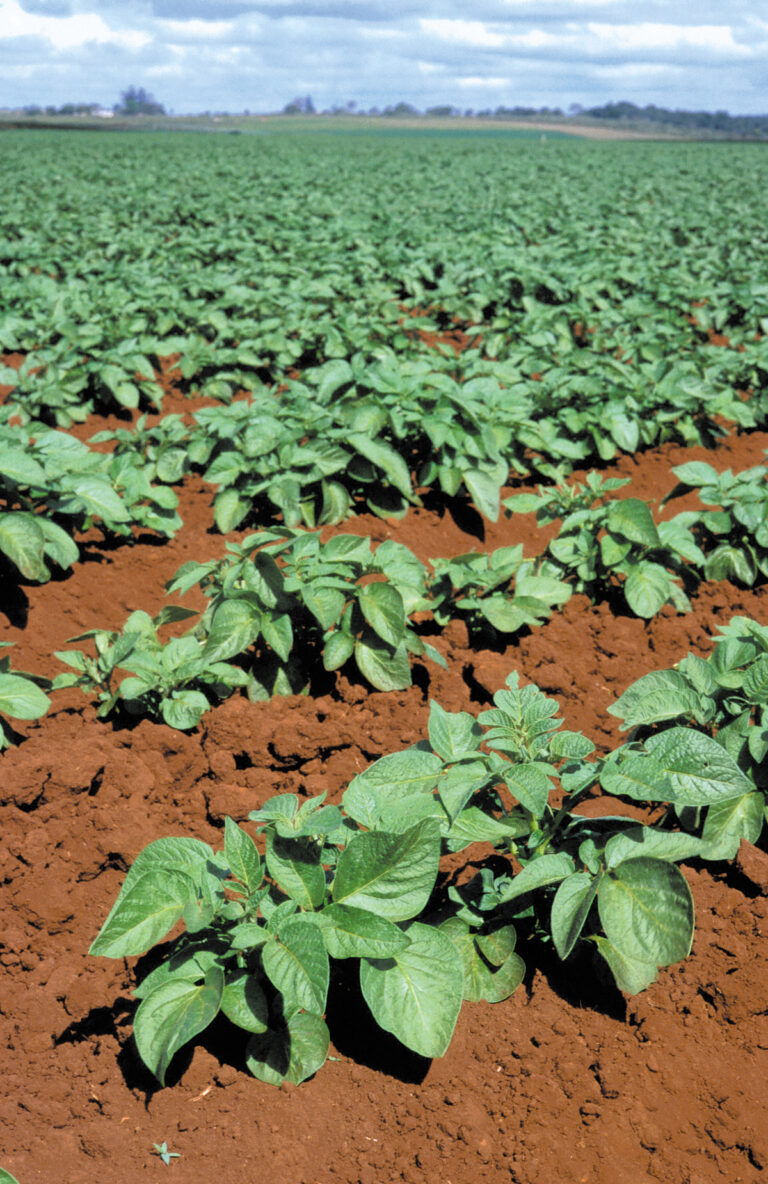
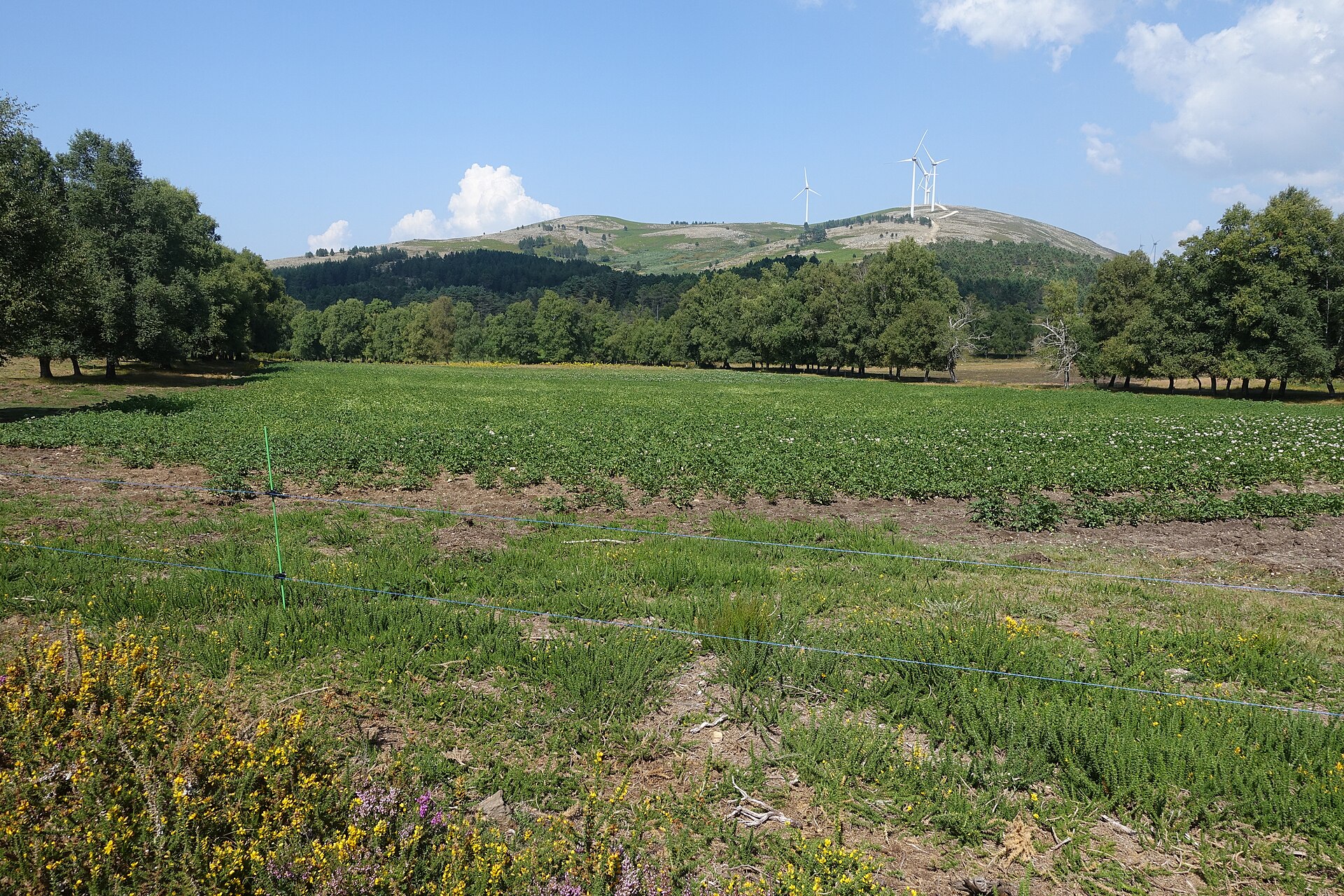
Photo: A potato field in Gave, Melgaço, Portugal (illustrative). Joseolgon / Wikimedia Commons, CC BY-SA 4.0