Peru Advances Potato Industrialization with New Strategic Regulation
The Peruvian government has officially greenlit a new regulatory framework designed to transform the nation’s potato sector from a primary commodity market into a robust industrial powerhouse. Through Supreme Decree N° 005-2026-MIDAGRI, which implements Law N° 31920, the Ministry of Agrarian Development and Irrigation (MIDAGRI) is set to drive the production of value-added potato products, ranging from chips and dehydrated purees to starches and pre-fried frozen products.
Transforming a National Treasure
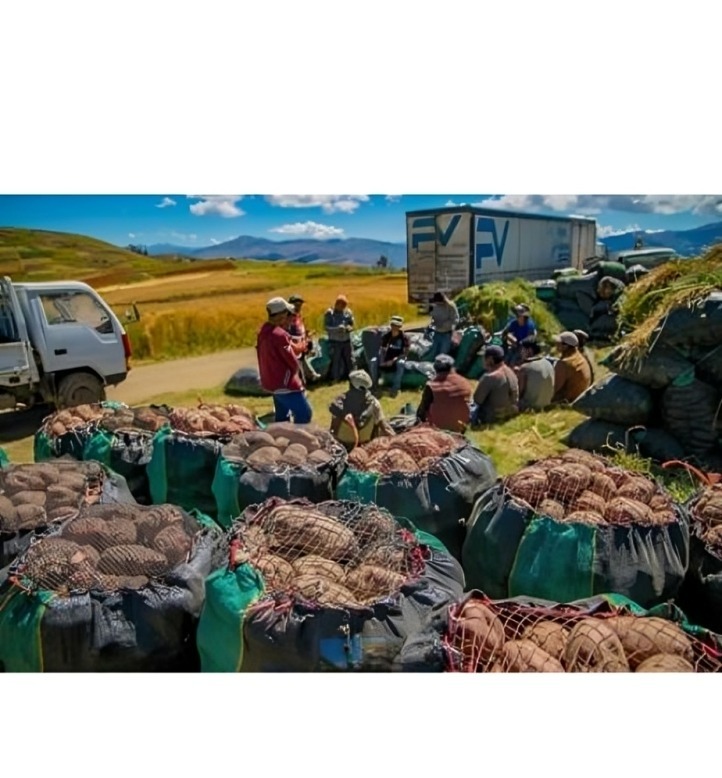
Peru, home to over 3,000 varieties of native potatoes, has long relied on the tuber as a fundamental source of livelihood for more than 711,000 farming families, particularly in the Andean highlands. However, the new regulation seeks to move beyond the traditional “fresh market” model, which often leaves farmers vulnerable to price volatility and logistical challenges. By facilitating the processing of potatoes into industrial derivatives, the government aims to capture greater profit margins and create long-term stability for small-scale producers.
Key Pillars of the Initiative
The implementation of the new regulation rests on several strategic pillars:
Weekdays. Unsubscribe in one click.
- Technological and Sanitary Support: The National Institute of Agricultural Innovation (INIA) and the National Agrarian Health Service (SENASA) will lead efforts to ensure the availability of certified seeds and maintain high sanitary standards, essential for competing in international export markets.
- Financial Incentives: A critical component involves creating specific financial mechanisms. The Development Finance Corporation (Cofide) is tasked with designing medium- and long-term credit lines for industrialization projects, while the Ministry of Economy and Finance (MEF) will evaluate fiscal incentives, such as accelerated depreciation for processing machinery, to lower entry barriers for local businesses.
- Market Integration: MIDAGRI will assist producer associations in connecting with the culinary industry and large-scale commercial channels, helping them transition from simple farming to professional agribusinesses.
A Sustainable Future for Family Farming
Beyond economic growth, the regulation emphasizes environmental and social sustainability. It encourages the use of efficient water management practices, the reduction of agrochemical inputs, and the formalization of associative structures like cooperatives. By providing rural communities with the infrastructure—such as cold storage and processing plants—the state aims to ensure that the value generated by the “Peruvian potato” remains within the regions where it is cultivated.
This shift marks a significant step in Peru’s goal to position its diverse potato varieties not just as local food staples, but as premium, processed goods ready for the global stage.
Source: