North America: New U.S. Import Rules for Prince Edward Island Potatoes Took Effect on 5 October
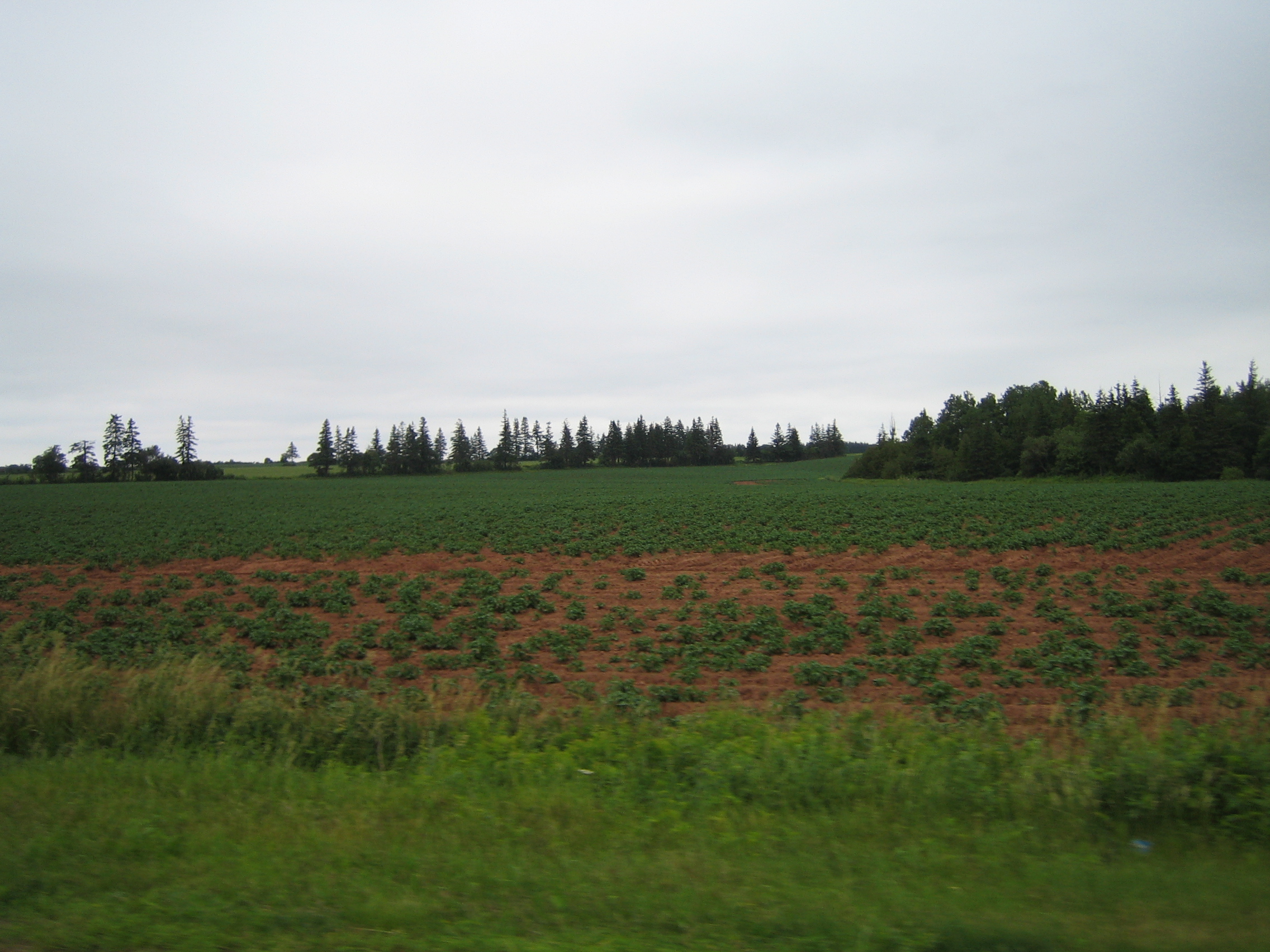
New U.S. import requirements for potatoes grown in Canada’s Prince Edward Island took effect on 5 October 2026, tightening the conditions under which Island potatoes may enter the American market. U.S. Customs and Border Protection has notified traders of the changes, and the USDA’s Animal and Plant Health Inspection Service (APHIS) says the measures are intended to reduce the risk of introducing potato wart (Synchytrium endobioticum) through shipments received for processing, packing or repacking, Potato Business reports.
According to the trade update published by law firm Sandler, Travis & Rosenberg, the importation of cull potatoes from Prince Edward Island is now prohibited outright. Potatoes imported for consumption can no longer be repurposed as seed potatoes. Bulk shipments of 50 lbs (about 23 kg) or larger may enter only at facilities approved by APHIS that have signed compliance agreements detailing waste-handling procedures.
The notification also requires full traceability for every consignment, tracking from the production site to the packinghouse and through any repacking in the United States, so that a complete trace-back and recall is possible. Potatoes must arrive free of soil at the port of entry, be washed with a forced stream of water to remove all adhering soil — brushing and rinsing may additionally be required — and be treated with a sprout inhibitor, with the product used and the date of application stated in the export documentation. Each shipment must carry a Canadian Food Inspection Agency certificate with an additional declaration.
Weekdays. Unsubscribe in one click.
Under Import Federal Order DA-2026-28, facilities that handle bulk Prince Edward Island potatoes must operate under individual compliance agreements. Cull potatoes and potato waste may not be used as animal feed, and waste must be disposed of at an approved site, Potato Business notes.
The tightened rules come against the background of the Island’s earlier trade disruption with the mainland United States. Potato wart was found in two Prince Edward Island fields in late 2020, which led to a months-long suspension of table-stock shipments to the U.S. market; the border reopened in March 2022 under conditions that included washing, sprout control, grading to the U.S. No. 1 standard and official certification, as reported by CBC News.
For traders, the practical effect of the October changes is a higher compliance bar at facility level: processors, packers and repackers receiving Prince Edward Island volumes in bulk should confirm that their sites hold a signed APHIS compliance agreement and that waste-management and traceability procedures match the new requirements before arranging shipments.
Sources: Sandler, Travis & Rosenberg Trade Report; Potato Business; CBC News.