Norway’s potato sector is currently defined by two parallel narratives: an unusually comfortable supply situation in storage, and a forward-looking research push to secure future production through advanced breeding. According to the latest stock counts from the Norwegian Agriculture Agency (Landbruksdirektoratet), approximately 46,600 tonnes of Norwegian potatoes remained in storage as of mid-April 2026 — 7 percent more than at the same point in 2025, and 12 percent above the average for the normal seasons of 2021–2025 (excluding the extreme-weather-affected 2024 season). This abundance means domestic production is well positioned to cover market demand until the new season’s crop arrives. Notably, the share of consumer potatoes in storage is higher than normal at 24 percent, while the stock of small potatoes destined for retail has surged by over 300 percent year-on-year, from 450 tonnes to more than 1,900 tonnes, reflecting a deliberate response by Norwegian farmers to growing consumer demand for smaller-sized potatoes.
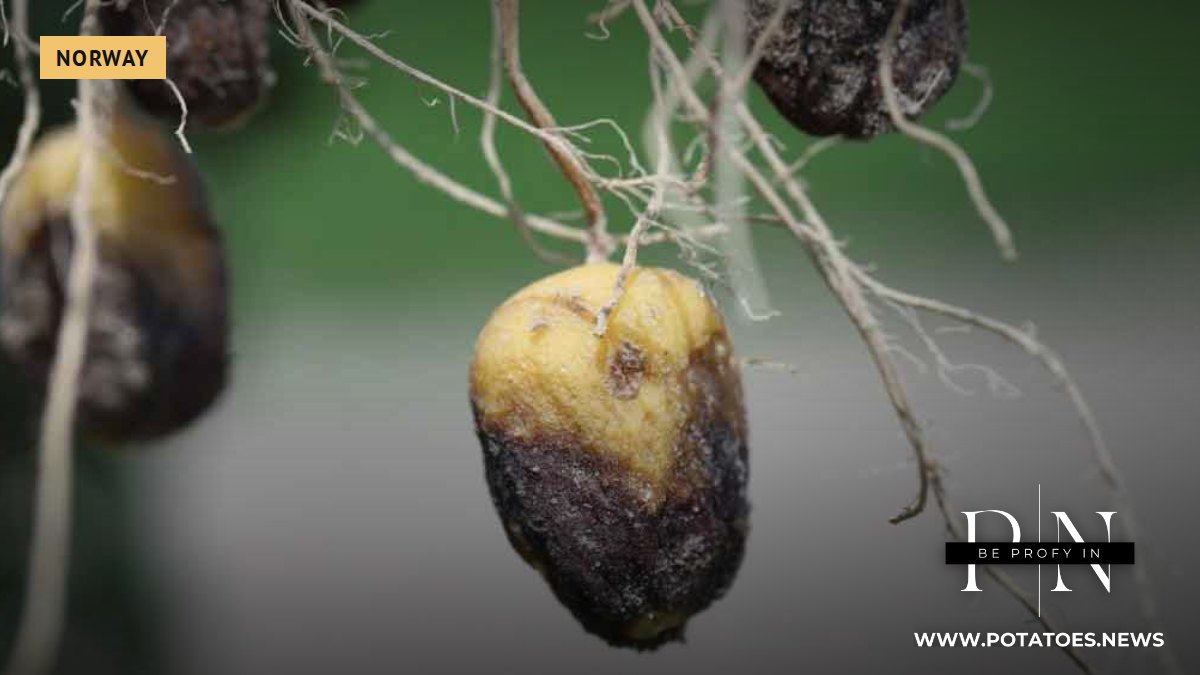
On the research and technology front, Norway is investing heavily in genetic solutions to its most persistent production challenge: late blight (Phytophthora infestans). The GE-Sustain project, running from 2024 to 2027, is employing CRISPR genome editing to develop potato varieties with durable resistance to late blight, using resistance genes sourced from wild potato relatives. The urgency is clear: late blight now accounts for more than 25 percent of Norway’s total pesticide use, and warmer, wetter conditions driven by climate change are expanding the disease’s range northward, making traditional chemical control increasingly difficult and costly. A separate field trial application from NIBIO, currently under review by the Norwegian Food Safety Authority (Mattilsynet), seeks to test late-blight-resistant genetically modified potatoes in controlled plots at Ås, with planting planned for spring 2027. Mattilsynet has indicated it sees no regulatory obstacles and supports the trial, citing the need for research data that can contribute to a more sustainable potato production system in Norway.