Heat and drought cut the Swiss potato harvest to its lowest level since records began. The industry expects self-sufficiency to fall to 70–75% and has raised grower prices and eased size rules.
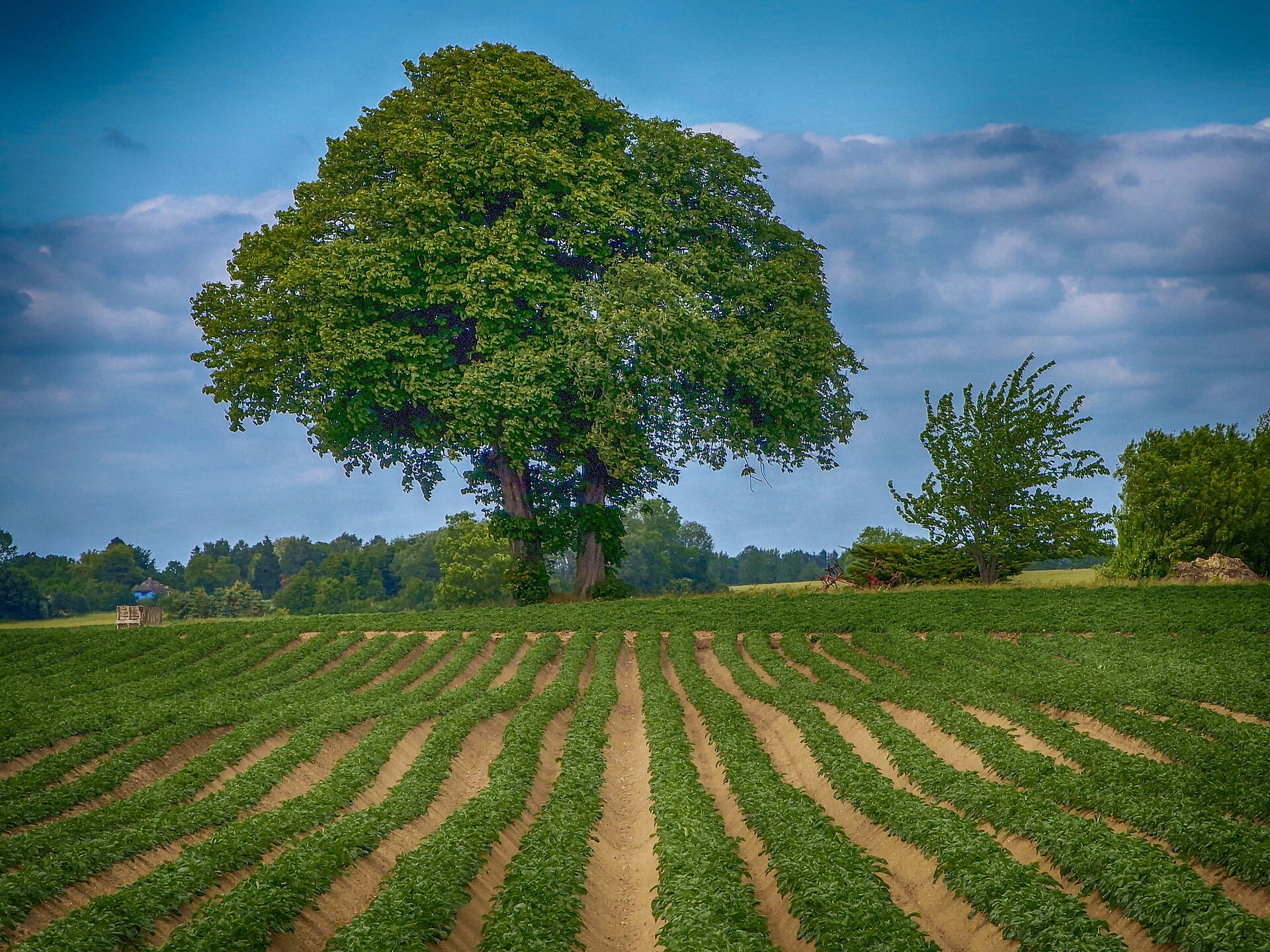
The third trial dig of the season in Danish starch potato fields points to a solid crop. Tuber yield is above the ten-year average, but starch content and starch yield are lower than in 2025.
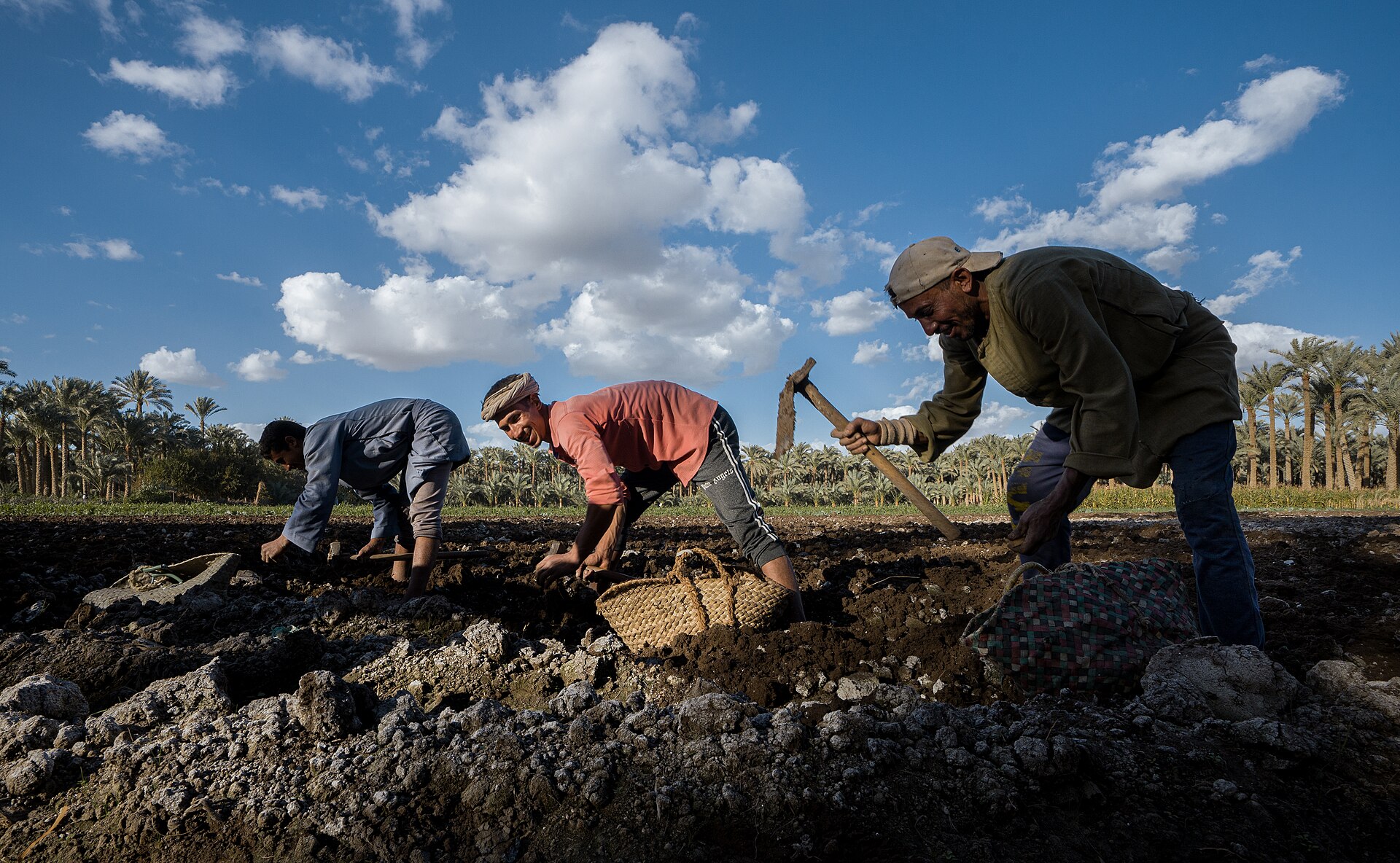
The winter area target of about 205,000 hectares points to large Egyptian supply for Europe and Russia in early 2027. Local G2 seed is sold through cooperatives below the price of imports.
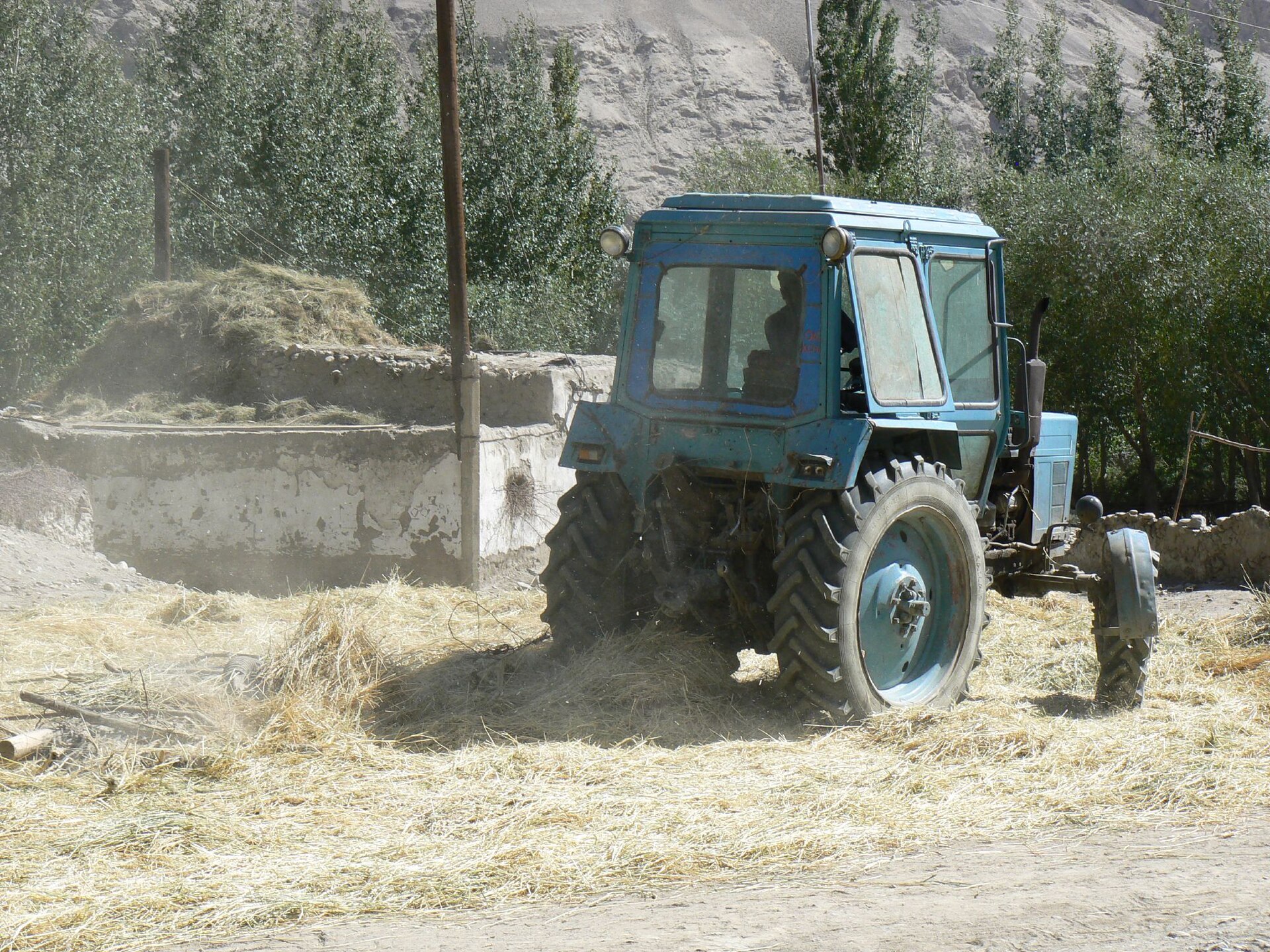
Tajikistan has turned from a small potato grower into a surplus producer in three decades. Seed quality is now the main weak point, and the state is building a seed centre with FAO.
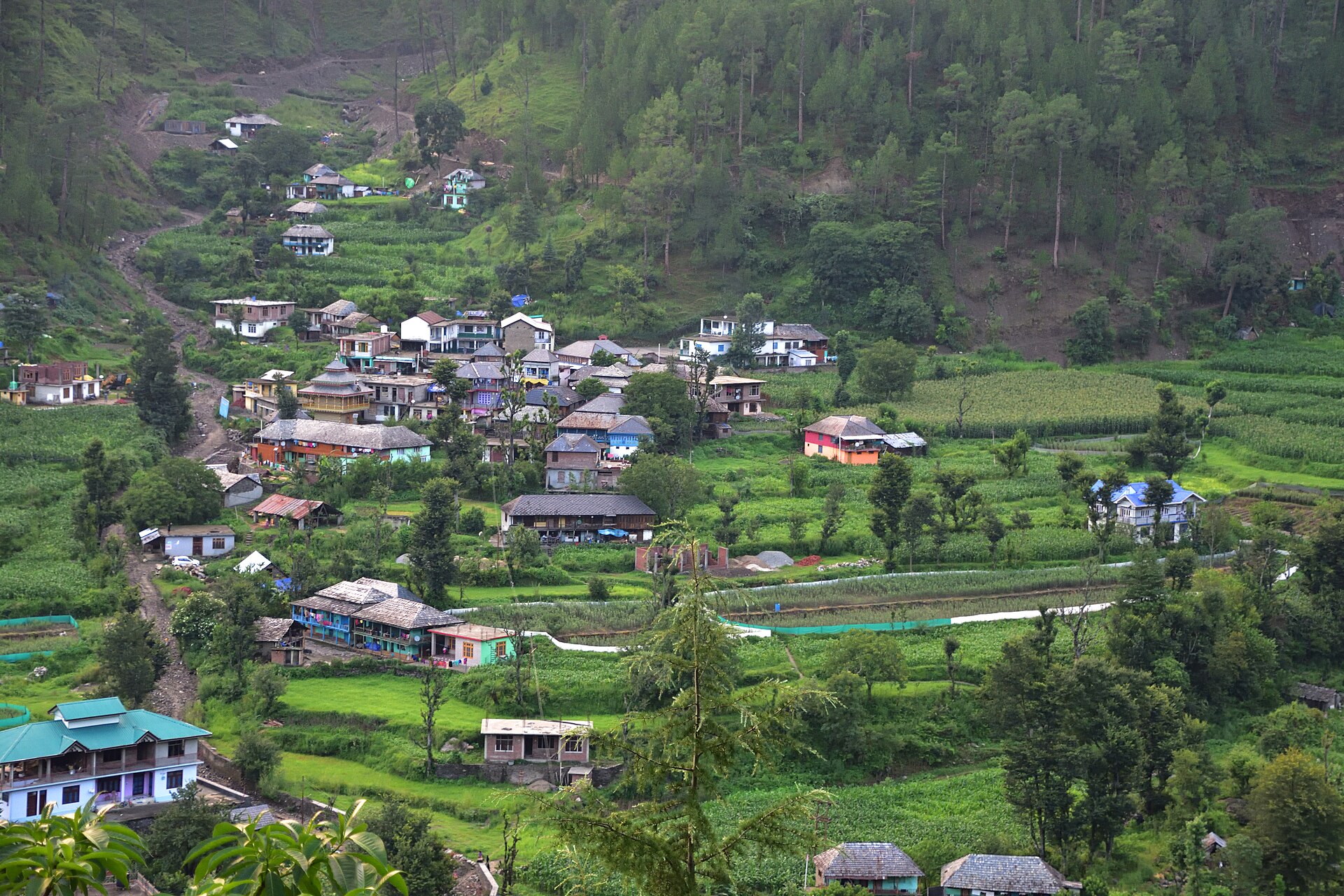
A survey of 200 growers in the hill district shows seed as the largest cost item. Net return reached ₹159,654 per hectare, and larger farms produced each quintal more cheaply.
The largest potato producer in the world grows the crop on about 4.5 million hectares. The mountain provinces of the southwest now hold the largest areas, while the north leads in yield and processing.
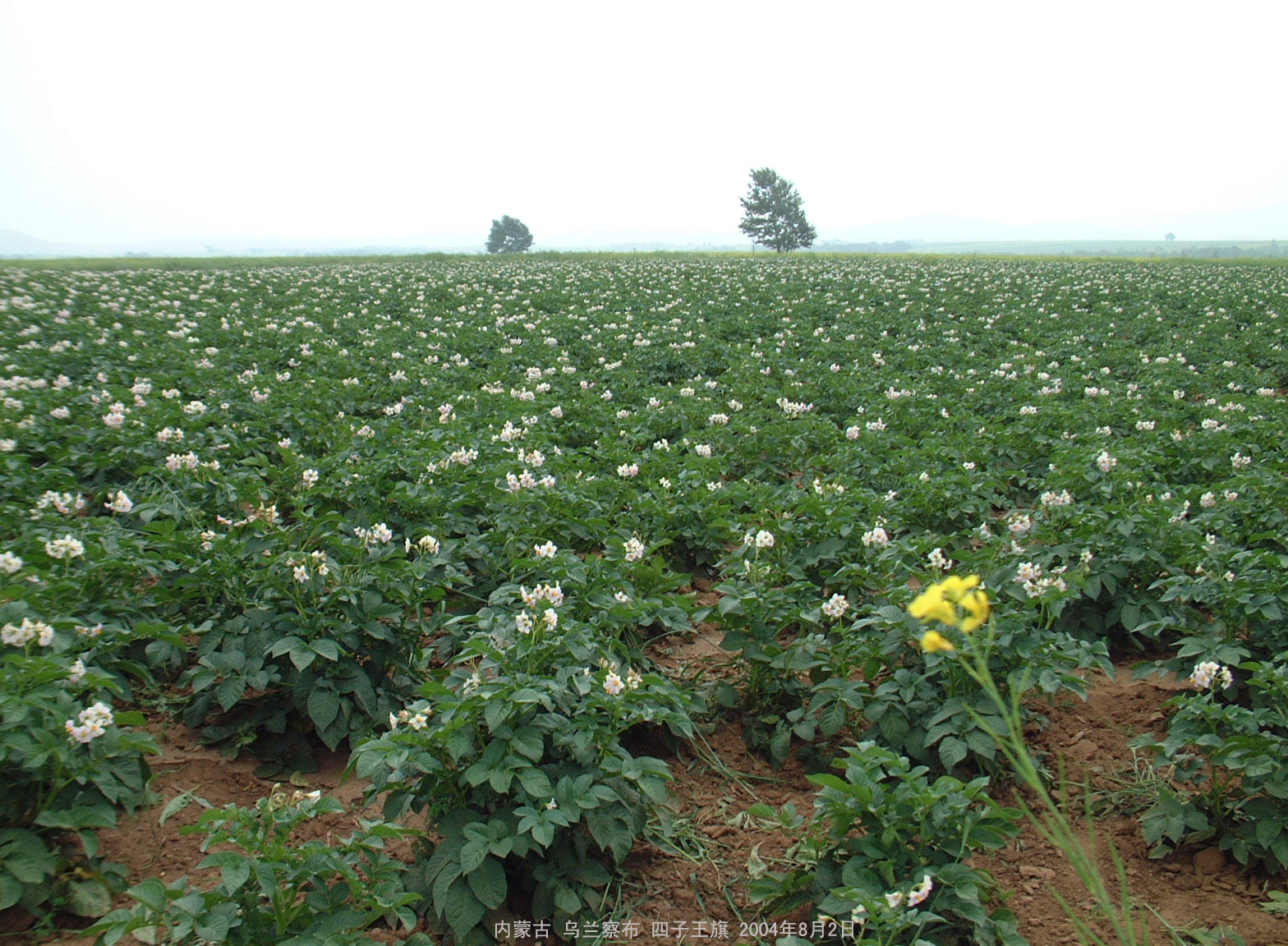
Growers in the main crop province of Mongolia have harvested just over half of their potato area before the frost. Yields of about 11–15 tonnes per hectare show room for better seed and irrigation.
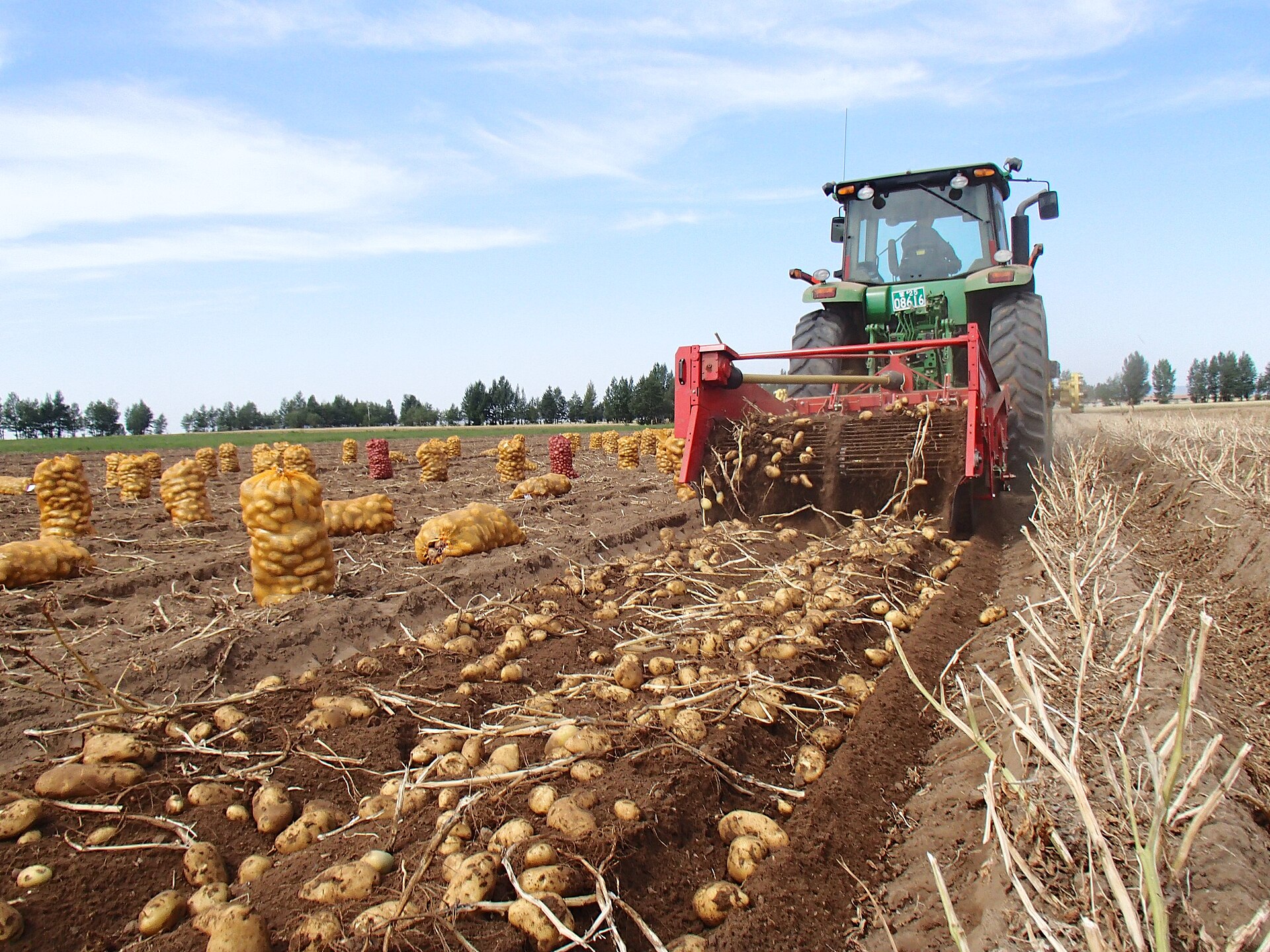
The county near Hohhot expects a bumper crop in 2026, with harvesters and migrant workers in the fields. Small tubers go to starch plants, and part of the crop is exported to Central Asia.
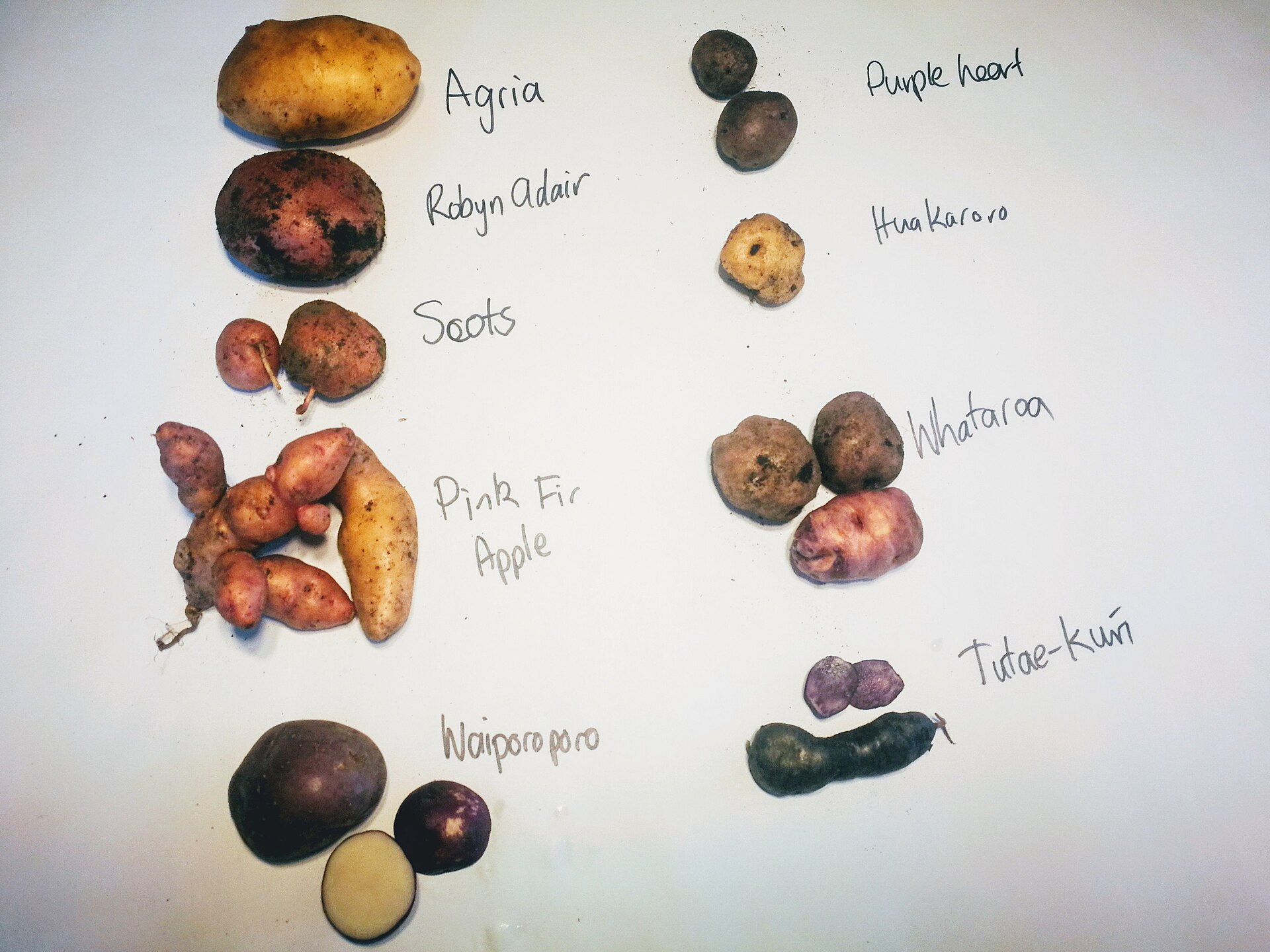
Processing takes more than half of the potato crop in New Zealand. As growers prepare for a drier El Niño spring and summer, irrigation, storage and market development are the main tests for the sector.
Anco van der Bos, a third-generation seed potato grower on the Wadden Sea coast, multiplies Annabelle from single plants and credits the method with few Erwinia problems even in the fifth generation.
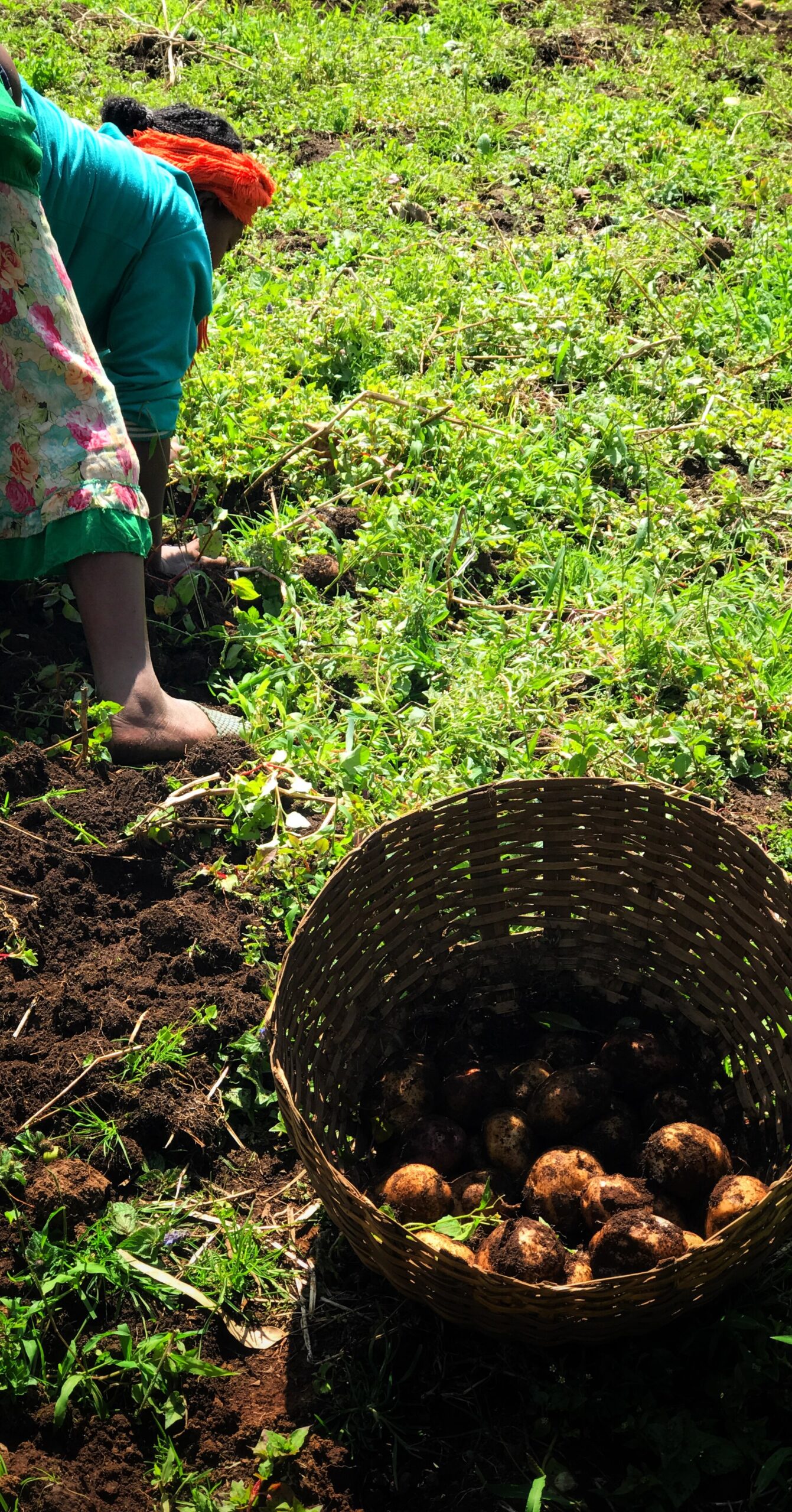
Ethiopia produced 4.09 million tonnes of potatoes in 2024, over ten times the 2000 level, FAOSTAT shows. Yields are about 12 t/ha and post-harvest losses reach 30–40%.