Netherlands: Potato Exports Jump 26.5% in July–August as Belgian and French Processors Draw on Dutch Stocks
Dutch potato exports reached 108,172 tonnes in July and August, up 26.5% year on year. Belgium took 70,925 tonnes and France almost tripled its purchases.
Dutch potato exports rose to 108,172 tonnes in July and August 2026, up 26.5% on the same period last year, according to trade publication Boerenbusiness. Nieuwe Oogst, which cites export documentation from the Dutch potato organisation NAO, reports “more than 108,000 tonnes” against about 85,500 tonnes a year earlier.
Exports to other European countries grew by 34%. Belgium was by far the largest buyer, taking 70,925 tonnes in the two months, an increase of 19,428 tonnes or 38%. France bought 14,613 tonnes, compared with about 5,000 tonnes a year ago. Exports to Germany moved the other way, falling 51% to 4,658 tonnes.
At the same time, Dutch imports of potatoes fell 12% to 206,700 tonnes, according to Boerenbusiness. The publication notes that most of the exported volume consisted of old-crop potatoes from the 2025 harvest rather than new-season supply.
Weekdays. Unsubscribe in one click.
Context
The export figures are high by the standard of the last two seasons but not exceptional: by the end of August 2023, Dutch exports had already passed 145,000 tonnes. What stands out this year is the destination. Belgian and French fries plants, facing a drought-reduced 2026 crop at home, are buying Dutch stored potatoes to keep their lines running until the new harvest is fully available.
The data come in the same week as figures from the Dutch processors’ association VAVI showing that imports made up almost half of the raw material processed in Dutch plants in August.
Why it matters
Cross-border flows are the clearest sign of where raw material is short. Strong Belgian and French demand for Dutch old-crop potatoes shows that processors in those countries are drawing down every available tonne before the 2026 harvest is in store. For Dutch growers with remaining stocks, this supports prices; for processors, it means the stock buffer from 2025 is being used up early, leaving less cushion for the spring months.
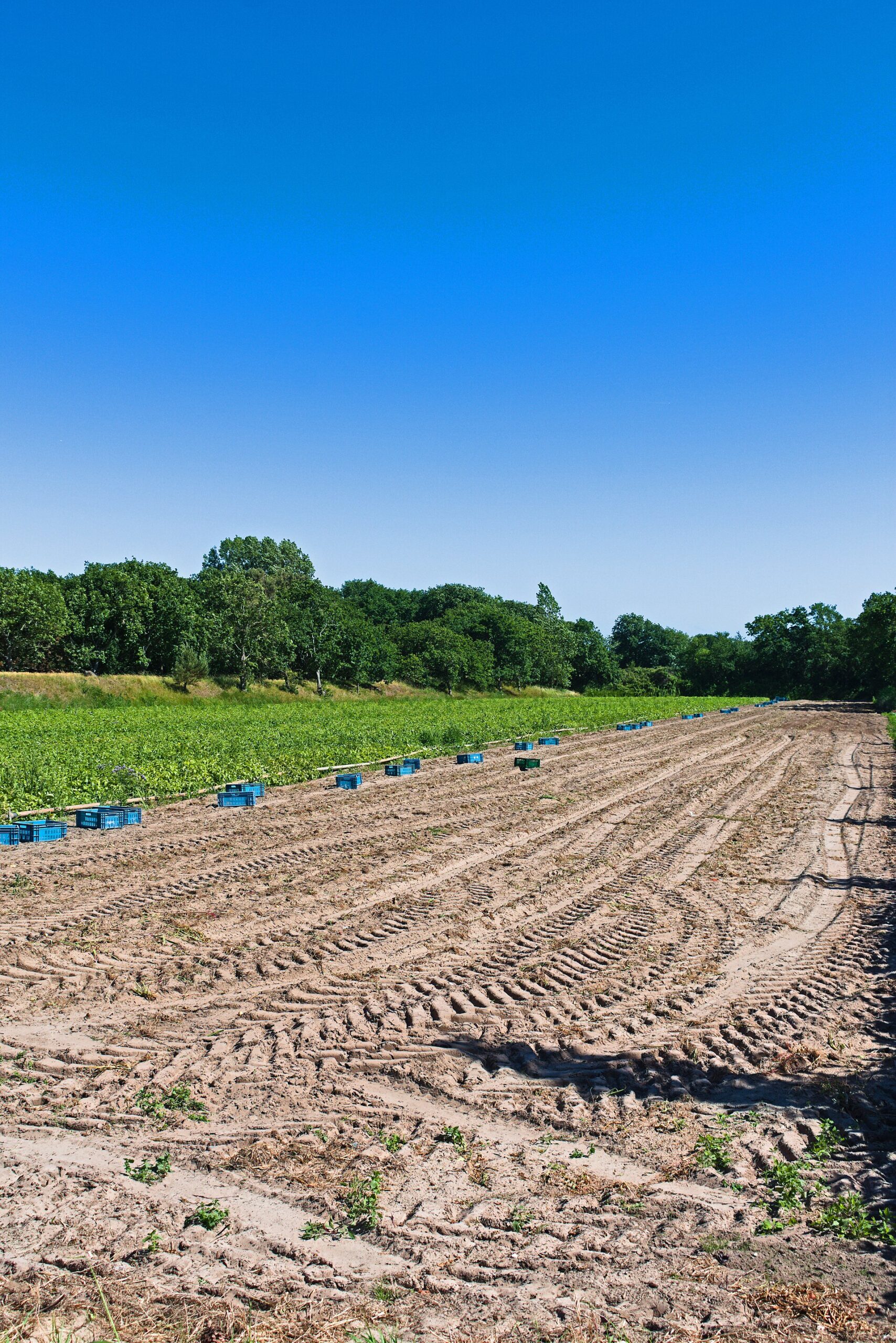
Photo: Potato harvesting at Ouddorp, South Holland (illustrative). Ymblanter / Wikimedia Commons, CC BY-SA 4.0