MTS Gijzenberg Cuts Eight Sorting Jobs with Flikweert Optical Sorters at Arizona Creamer Potato Operation
Dutch family firm MTS Gijzenberg has installed two Flikweert Vision DIVIDER Select optical sorters at its Willcox, Arizona creamer potato operation, maintaining capacity with eight fewer people on the sorting line.
MTS Gijzenberg, a Dutch family business with operations in Groningen, the Netherlands, and Willcox, Arizona, has reduced its reliance on manual potato sorting after installing two DIVIDER Select optical sorting systems from Flikweert Vision at its Arizona operation, PotatoPro reports.
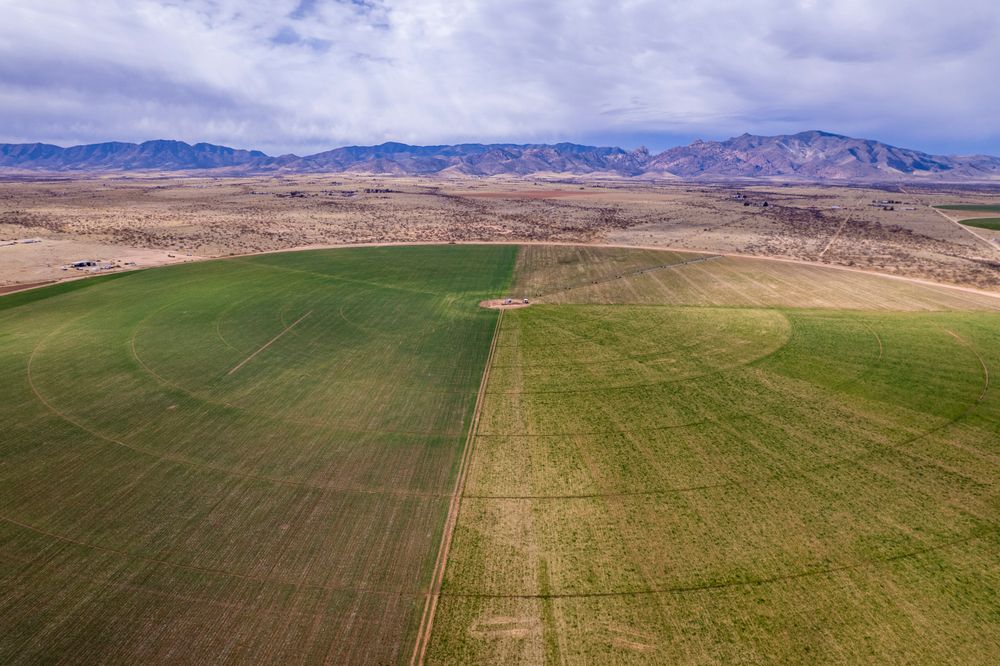
Jos Gijzenberg has managed the operation in Willcox since 2015. Potatoes are grown at an elevation of around 1,200 metres in a dry climate that helps keep disease pressure low, although irrigation is essential for production. MTS Gijzenberg grows creamer potatoes starting from 18 mm — a size at which potatoes, clods and stones can be very similar, making effective separation particularly challenging. At the same time, finding enough people for manual sorting had become increasingly difficult. Gijzenberg wanted to remove foreign material earlier in the process while reducing the number of people required on the sorting line.
Weekdays. Unsubscribe in one click.
Two DIVIDER Selects installed after receiving. The systems use industrial cameras to capture every object as it travels along the belt. The product remains stable on the belt during inspection, allowing the cameras to obtain clear images for analysis. Flikweert Vision’s AI-based software determines which objects belong in the potato flow and which should be removed; individual ejection fingers are controlled separately to selectively remove clods, stones, foreign objects and potatoes with extreme defects. The result is a cleaner, more manageable potato flow before the product continues through handling.
Eight fewer people at the same capacity. According to Flikweert Vision, MTS Gijzenberg now requires eight fewer people on the sorting line while maintaining the same capacity. Positioning the DIVIDER Select systems directly after the receiving hopper allows foreign material to be removed early, giving the operation greater control over the potatoes entering and leaving storage. The potatoes consequently reach the boxes cleaner, while the operation requires fewer people and has greater control over product flow. The DIVIDER Select is rated at up to 120 tonnes per hour with a drop height of just 35 cm.
A broader shift to automation. For MTS Gijzenberg, the installation reflects a wider move toward automation in potato handling: Jos Gijzenberg expects optical sorting technology to take over more of the work currently performed manually in the future. Flikweert Vision, a Dutch specialist in optical sorting of potatoes and onions, designs its machines to remove foreign material and major defects early in the handling process, reducing unwanted material in subsequent stages.
The Arizona case shows why automation arguments resonate beyond labour costs: in creamer production, where tubers as small as 18 mm travel with near-identical clods and stones, human sorting is both scarce and imperfect. Moving the separation step to immediately after receiving also protects storage quality — less foreign material in the box means fewer rot foci and more predictable out-turn through the marketing season.
Sources: PotatoPro; APH Group (background on Jos Gijzenberg’s Willcox, Arizona operation).