HZPC says its Potato Days in Joure brought growers, customers and partners together to examine more than 50 varieties. The event ran on 4–6 November 2026, with variety development and Integrated Crop Management presented as connected parts of future potato production.
What the event establishes
The company’s event page confirms the dates, location and the focus on breeding and cultivation. Its subsequent recap, supplied to Potatoes.News, describes the variety exhibition, experience centre and discussions with international visitors.
A display of many varieties is a useful opportunity for comparison, but it is not a replicated field trial or a guarantee of performance. The recap does not provide a common dataset allowing the displayed material to be ranked across soils, climates and processing requirements. Nor should the visitor programme be read as evidence that every variety shown is registered, available or suitable in every market.
Weekdays. Unsubscribe in one click.
The published programme distinguishes fresh retail, traditional markets, French fries and crisps. This is a useful starting point because a variety’s value depends on its intended outlet, not simply on its appearance at an exhibition.
A practical way to read a variety showcase
For a grower, the first comparison is between the proposed variety and the requirements of the business that will buy it. A processor may emphasise a different set of quality measurements from a fresh-market packer. The relevant questions include how performance was tested, which conditions the results represent and what happens to quality during storage and handling.
An exhibition conversation can identify a candidate for further work. It should also identify the evidence needed for that work: trial location, season, comparison variety and the measurement method behind a claim. A photograph of a good-looking sample cannot answer all of those questions.
For a seed supplier, availability and the ability to deliver consistent, documented planting material form another part of the decision. Introducing a variety into a customer’s system can involve practical changes in agronomy, storage and marketing, which need to be discussed alongside the cultivar’s headline traits.
From a November visit to a seasonal decision
The next useful step after a variety event is a short list with a reason for each candidate. That makes it possible to request comparable data, discuss local testing and check the buyer’s acceptance requirements before committing substantial area.
Claims about resilience have to be evaluated for the particular trait, variety and environment involved. A variety that addresses one constraint may still require comparison against the other requirements of a farm and its buyer. HZPC’s programme shows which issues it wants to discuss; the evidence supporting an individual choice still needs to be examined.
For potato businesses planning the next season, the event’s value is consequently in connecting a breeding proposition to a real production and market question. The strongest follow-up is not a longer list of names, but a clearer decision about what deserves a local comparison and what information would change that decision.
What this means for farms and the market
- HZPC’s event took place on 4–6 November; this is a recap, not an invitation to an event still ahead.
- Match a variety to the intended buyer and ask for the conditions behind performance claims.
- Use the exhibition to build a justified testing shortlist, rather than a universal ranking.
Sources
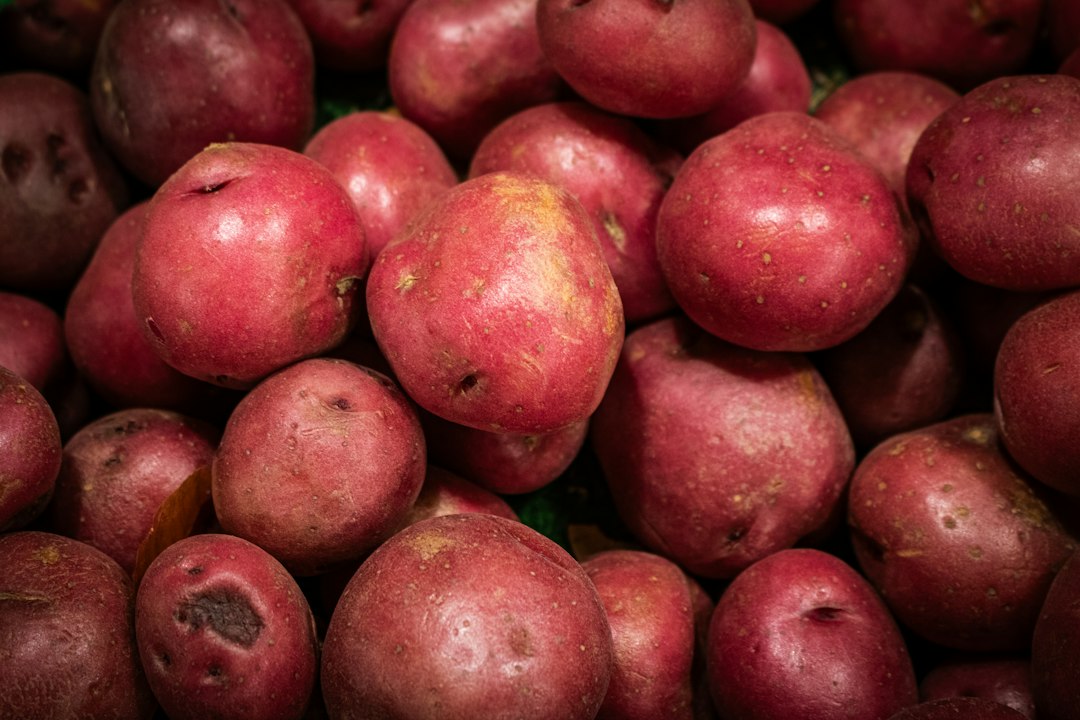
Red-skinned potatoes; illustrative photograph, not an identified HZPC variety. Photo: Zoshua Colah / Unsplash.