Asia: In Nepal’s Jumla Hills, Women Farmers Build Potato Pocket Areas with a USD 12.5 Million Boost
On International Day of Rural Women, marked on 15 October, the United Nations Development Programme (UNDP) highlighted how potato farming is changing household economics in Nepal’s remote Jumla district, where women make up around 80 per cent of the local agricultural workforce.
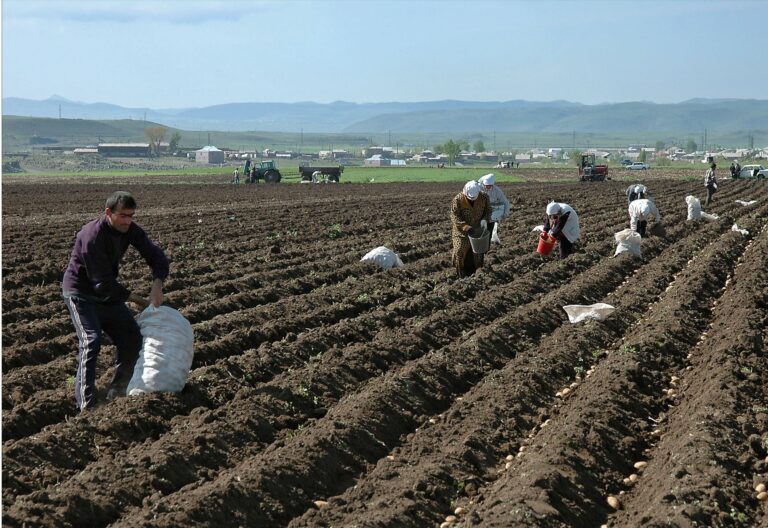
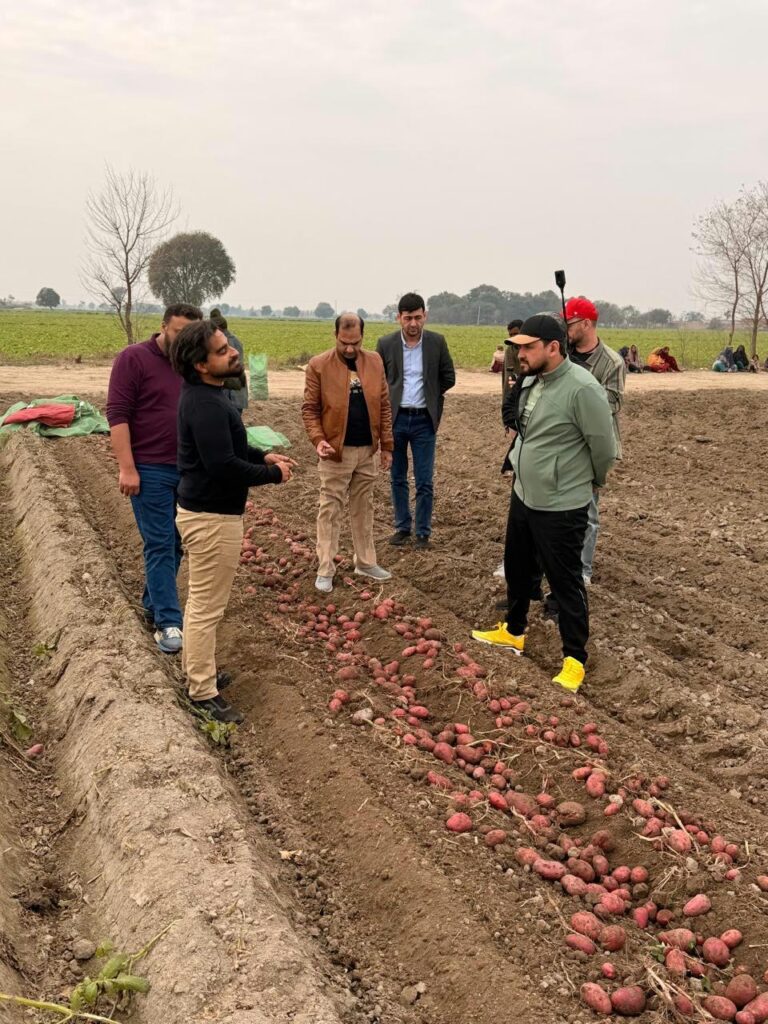
The work sits inside the Renewable Energy for Resilient Agri-Food Systems project (RERAS), a USD 12.54 million initiative funded jointly by the Royal Norwegian Embassy, the Embassy of Finland and UNDP. Over the past two years, farmer groups in the Jumla areas of Patarasi, Chandannath and Tatopani have received grants through the government’s National Agriculture Modernization Programme for potato and Jumli bean production, and the groups have developed a designated potato production pocket area. Under the scheme, all member farmer groups are expected to cultivate potatoes in their fields, according to UNDP.
The shift is visible at household level. Channarupa Budha of Patarasi Ward 4 expanded her apple harvest from 5 quintals to 12 quintals across 35 trees, lifting annual earnings from Rs 150,000 to Rs 350,000, and also harvested 6 quintals of potatoes. She now leads efforts to connect the group’s products — potatoes, red Marsi rice, maize, finger millet, buckwheat flour, proso millet and Jumli beans — with buyers. Since April 2026, the group has supplied homegrown food for midday meals at six local schools, with sales totalling around Rs 200,000.
Weekdays. Unsubscribe in one click.
“I used to see agriculture as a means of survival; now I see it as a business that I need to manage more systematically for the collective benefit,” Budha said, as quoted by UNDP. Nepali media covering the same project — including the Nepal News evening briefing of 15 October and the Hamropatro news digest — reported the same figures, noting that women in the district are moving from unpaid household production into income earning, marketing and leadership roles.
Potatoes matter in Jumla beyond this project: the crop is one of the few commodities that performs reliably in the district’s high-altitude, short-growing-season conditions, and pocket-area development is Nepal’s standard mechanism for concentrating production, seed supply and marketing support in one geography. Earlier national data show Nepal’s potato output has roughly tripled since 2000 to about 3.52 million tonnes, even as average yields remain low by regional standards at 16.7 tonnes per hectare.
For the potato sector, the Jumla case illustrates how seed-to-market support organised around a single crop can raise incomes in remote mountain districts — and how school-meal procurement is becoming a practical first sales channel for smallholder groups.
Sources: UNDP Nepal; Nepal News; Hamropatro.