Minituber production is crucial for the potato industry as it provides a reliable source of high-quality, disease-free seed potatoes. This method offers several advantages:
- Rapid multiplication: Minitubers allow for rapid multiplication of desired potato varieties, ensuring a steady supply of planting material.
- Disease control: Minitubers can be produced in controlled environments, minimizing exposure to soil-borne diseases and pests.
- Genetic purity: This method helps maintain genetic purity and prevents the spread of undesirable traits.
- Efficient production: Minitubers can be produced in a relatively short period, reducing the time needed to obtain seed potatoes.
- Improved yield and quality: Minitubers often result in higher yields and better quality potatoes compared to traditional seed potatoes.
Overall, minituber production plays a vital role in ensuring the sustainability and productivity of the potato industry.
There are several systems used to produce minitubers in potatoes, each with its own advantages and disadvantages. Here are the most common ones:
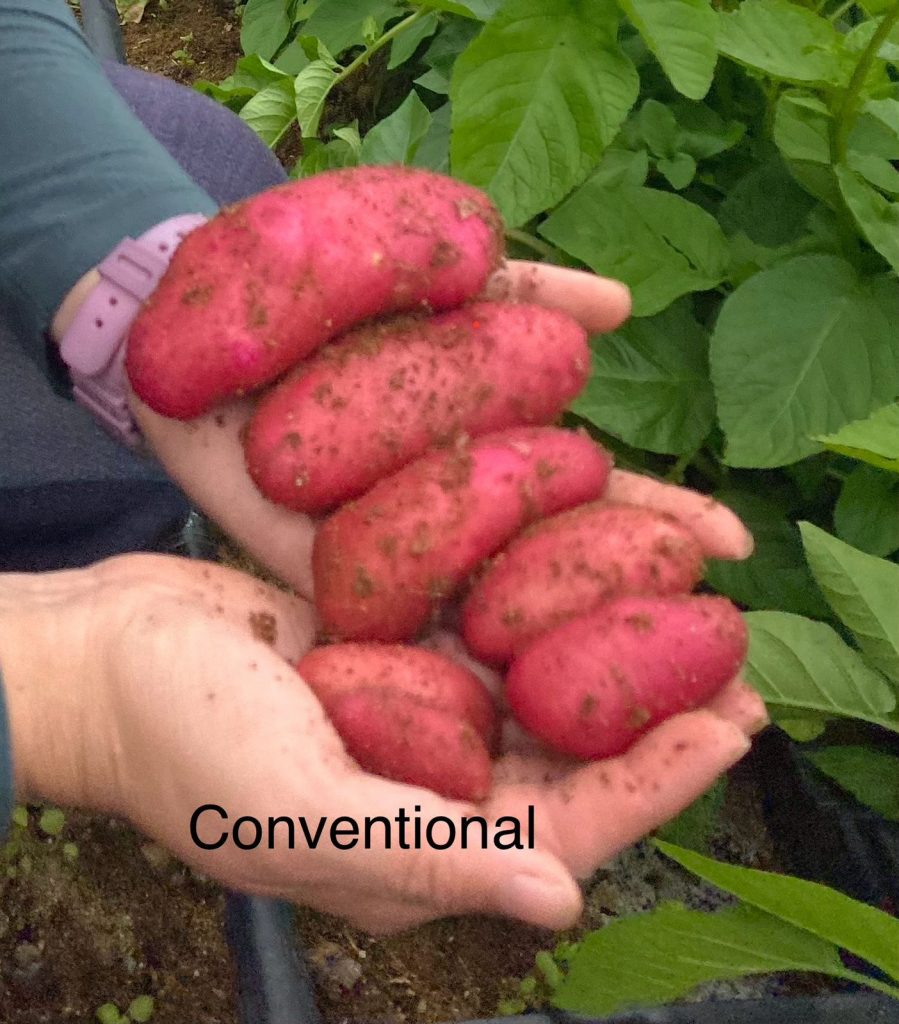
1. Conventional Method:
- Description: This is the traditional method, where potato seeds are planted in soil (peat moss) and grown in a greenhouse with semi / controlled environment.
- Advantages: Simple and cost-effective , the seed size (5-50 mm).
- Disadvantages: Lower yield compared to other methods, susceptible to diseases and pests.
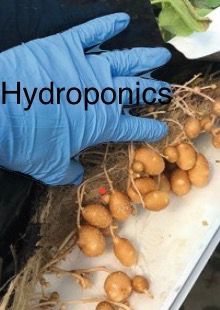
2. Hydroponic Systems:
- Description: Plants are grown in nutrient-rich water solutions without soil.
- Advantages: Higher yield, better control over nutrient and water supply, reduced risk of soil-borne diseases.
- Disadvantages: Requires more technical expertise and specialized equipment, some risk to rooting, seed size (10-30 mm diameter)
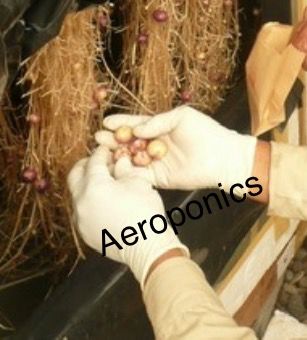
3. Aeroponic Systems:
- Description: Plants are grown in a mist of nutrient solution, with their roots suspended in air.
- Advantages: Highest yield potential, optimal root development, minimal water usage.
- Disadvantages: Requires precise control of environmental conditions, more complex and expensive to set up, physiological age of the seed piece, skin set, tuber size (5-20 mm diameter)
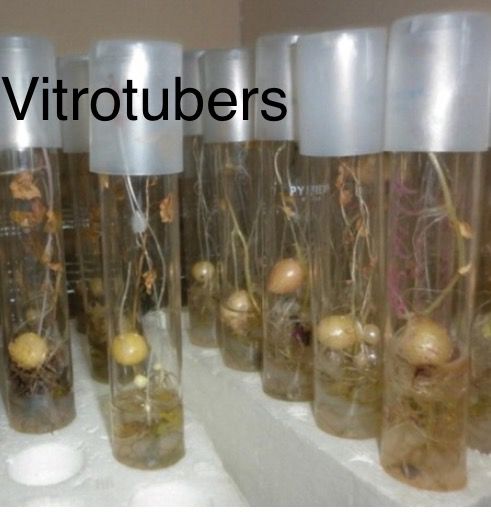
4. Tissue Culture:
- Description: Plantlets are propagated in a sterile laboratory environment using tissue culture techniques.
- Advantages: Rapid multiplication of disease-free plants, production of high-quality seed material.
- Disadvantages: Requires specialized laboratory facilities and expertise, seed size (some milimeters)
The choice of system depends on various factors, including the desired yield, available resources, and level of technical expertise. Aeroponic systems are generally considered the most efficient for minituber production, but they require significant investment and specialized knowledge. Hydroponic systems offer a good balance between yield and complexity, while the conventional method remains a viable option for small-scale production. Tissue culture is primarily used for the production of disease-free seed material.
….What type of minitubers to choose..
Any system can provide a disease-free tuber. Another factor to consider is quality, and in quality I consider that the seed piece size plays a crucial role for the production. Finally, any system needs to provide maximum seed multiplication rate.
The size of a minituber is a crucial factor that significantly impacts its field performance and the overall success of potato production. Here’s why the size of a minituber matters:
1. Germination and Emergence:
- Larger minitubers: Generally, larger minitubers have more stored energy, which allows them to germinate faster and emerge earlier. This can lead to a more uniform crop stand and earlier maturity.
- Smaller minitubers: Smaller minitubers may take longer to germinate and emerge, potentially delaying the crop cycle and increasing the risk of competition from weeds.
2. Plant Vigor and Growth:
- Larger minitubers: Larger minitubers tend to produce more vigorous plants with stronger stems and more extensive root systems. This increased vigor can lead to better nutrient and water uptake, resulting in higher yields and better-quality tubers.
- Smaller minitubers: Smaller minitubers may produce less vigorous plants, especially under adverse conditions. This can impact their ability to compete with weeds and tolerate stress factors like drought or disease.
3. Tuber Yield and Quality:
- Larger minitubers: Larger minitubers often produce more tubers per plant and higher total yields. They also tend to produce larger, more uniform tubers with better market quality.
- Smaller minitubers: Smaller minitubers may produce fewer tubers per plant and lower total yields. The tubers they produce may also be smaller and less uniform in size.
4. Disease Resistance and Tolerance:
- Larger minitubers: Larger minitubers may have a stronger immune system and be more resistant to diseases. They may also be better able to tolerate stress factors, such as drought or nutrient deficiencies.
- Smaller minitubers: Smaller minitubers may be more susceptible to diseases and stress factors. They may require more intensive disease management practices to ensure a healthy crop.
Optimal Minituber Size:
The optimal size of a minituber can vary depending on the cultivar, growing conditions, and specific goals of the producer. However, in general, larger minitubers tend to perform better than smaller ones. It is important to select minitubers that are healthy, disease-free, and within the optimal size range for the desired cultivar and production system.
By understanding the importance of minituber size, potato producers can make informed decisions to maximize their yields and produce high-quality potatoes.
The minitubers to choose will depend on the analysis of every case, and some of the following considerations are needed to evaluate (not in the same order)
- Speed of scaling
- Budget
- Availability of space (greenhouses)
- Production seasons (greenhouses + field)
- Cost of the seed production
- Disease risks in seed production
- Labour cost
- Quality of water source
- Quality of ground / peat moss
- Yield in seed production
- Environment in seed production